 |
by Joanna Ruck on (#1BVB4)
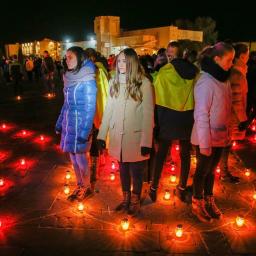
Crowds have gathered in Ukraine, Russia and beyond to remember the victims of the 1986 Chernobyl disaster. The nuclear fallout forced tens of thousands of people from their homes, with many killed at the time and in subsequent years as a result of the radiation Continue reading...
|
| Link | http://feeds.theguardian.com/ |
| Feed | http://feeds.theguardian.com/theguardian/environment/rss |
| Updated | 2026-08-16 02:00 |
 |
by Angela Monaghan on (#1BV9R)
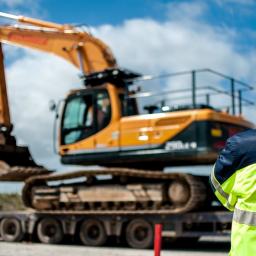
Company chiefs summoned to address committee after French minister says final decison could be put back until SeptemberEDF executives have been called back to parliament to explain why they have further delayed making an investment decision on a planned £18bn nuclear power station at Hinkley Point in Somerset.MPs on the energy and climate change committee want to hear from EDF chiefs after the French economy minister, Emmanuel Macron, said the final decision could be delayed until September – four months later than expected. Continue reading...
|
 |
by Madeleine Somerville on (#1BV08)
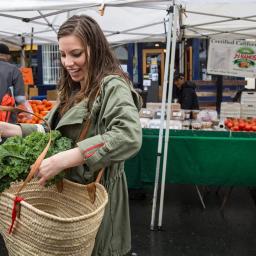
When it feels like the door’s shutting on your face because you can’t afford organic food, it’s a hard sell to want to identify with a movementA photo made the rounds recently, inciting the ire of the internet in the way only a simple photo can. It showed pre-peeled oranges neatly packaged in clear plastic boxes, sitting on a shelf at a Whole Foods store.I’ll admit I joined in on the mockery, too. I glanced at the picture when it popped up on my feed and I remember rolling my eyes. I remember being momentarily disheartened by our laziness. And typically, this would have been the extent of my interaction – a brief two-second downvote for humanity. Continue reading...
|
 |
by Oliver Milman in New York on (#1BTXF)
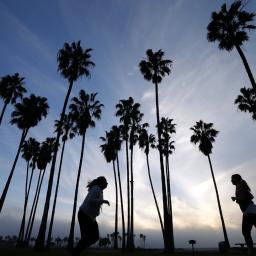
California city’s bipartisan push to embrace clean energy such as solar and wind while paring back greenhouse gas emissions may be a model for rest of the USAs presidential nominees Ted Cruz and Donald Trump, respectively, call climate change a “religion†or a “bullshit … total hoax†dreamed up by China, it is deeply unfashionable for any Republican to take the issue seriously, let alone push for radical reforms to remedy it.Kevin Faulconer, the mayor of San Diego, could therefore qualify as one of the most outlandish, as well as green-tinged, Republicans in the US. Faulconer has thrown his weight behind a binding plan to make San Diego run on 100% renewable power by 2035 – the largest American city to have such an ambition. Continue reading...
|
 |
by Arthur Neslen on (#1BTHF)
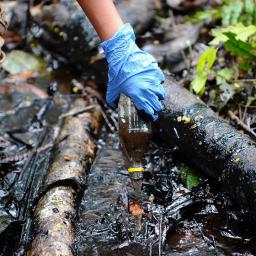
US oil company wanted EU-US trade deal to give foreign investors the legal right to challenge government decision, documents showChevron lobbied the EU to give foreign investors the legal right to challenge government decisions in a major US-EU trade deal because it would act as a deterrent against laws such as fracking bans, the Guardian can reveal.
|
 |
by Olga Tsvetkova in Krasnoe on (#1BTFY)
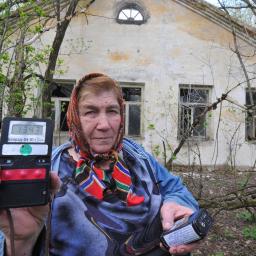
Three generations explain how their lives were transformed by the nuclear explosion in 1986It was just a regular day for Anastasia Fedosenko. It was spring, a busy time for local farmers. Nobody told her about the explosion at first.“It was only on the third day that they said something had happened at the Chernobyl plant, but nobody knew what exactly. They evacuated pregnant women and mothers with children under five, but the rest of us just continued our normal routine, feeding and milking cows,†the 73-year-old recalls. Continue reading...
|
 |
by Daniel Nethery and Emmanuel Vincent on (#1BTCK)
Climate Feedback provides a venue for climate scientists to evaluate the accuracy of climate news stories
|
 |
by Matthew Holmes and Guardian readers on (#1BTC3)
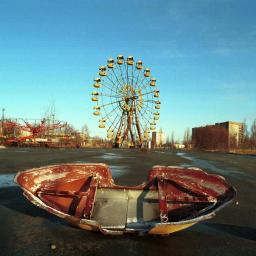
We meet the people most affected by the nuclear catastrophe, from the Pripyat evacuee to the daughter of a KGB first responderOn 26 April 1986 one of four nuclear reactors at the Chernobyl nuclear plant exploded, triggering the biggest nuclear catastrophe in history.Some living nearby found their lives changed almost immediately, for others across Europe it would be weeks or months until the full scale of the human and environmental disaster was realised. Continue reading...
|
 |
by Angela Monaghan on (#1BT4R)
Oil prices touched a near-13-year low in the first quarter of 2016 contributing to a sharp fall in BP’s profits over the periodBP has said it is prepared to slash capital spending if oil prices continue to slide, as the company announced an 80% fall in profits.
|
 |
by Josephine Vallentine on (#1BSY6)
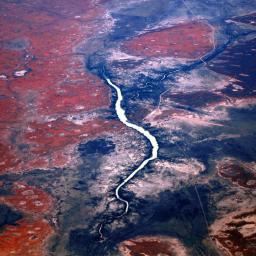
When they visited Australia in 1997, Chernobyl victims were left in no doubt Indigenous communities wanted uranium left safely in the ground – but the government continues to sign deals to dig it up
|
 |
by Lucy Douglas on (#1BSTX)
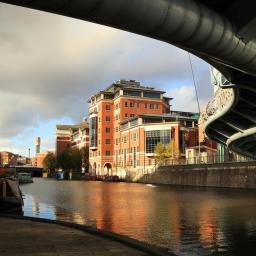
Bristol has become a fertile ground for small businesses with an eco agenda. What is fuelling the city’s environmental powerhouse?A downtown district of Bristol mainly populated with commercial warehouses and scrap metal yards isn’t where you’d expect to find an urban farm. But Grow Bristol isn’t your average farm. Run out of recycled shipping containers, it uses innovative ways to sustainably farm fish and salad vegetables, to sell direct to Bristol’s consumers and to the city’s restaurant trade clients.“We’re talking about food metres, not food miles,†says Dermot O’Regan, one of the company’s founders. The business uses hydroponic and aquaponic systems to grow leafy greens and farm tilapia, with the waste from the fish used to feed the plants. The enterprise is still in early stages – O’Regan explains that they’re just getting ready for their first sales – but he’s confident there’s an appetite for what Grow Bristol has to offer among the local community. Continue reading...
|
 |
by Damian Carrington on (#1BSTV)
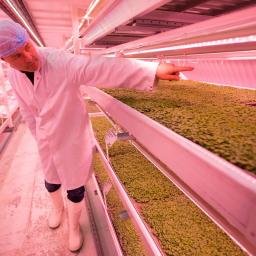
Daily crops grown in former air raid shelters under Clapham supply markets and a home delivery service and herald a novel approach to urban farmingThe UK’s first underground farm is protected from the vagaries of the weather but not, it turned out, from another perennial problem for farmers: trespassers.
|
 |
by Isabelle Clement on (#1BSTS)
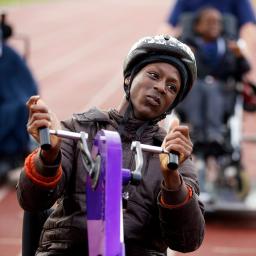
Objectors to new bike routes in London and elsewhere often cite the needs of people with disabilities. They’ve missed the pointWhenever bike infrastructure is debated, it’s never very long before someone objects by saying: “But what happens to people with disabilities if you build cycle lanes?†They have forgotten one very important thing: a lot of disabled people cycle, and benefit even more than most from quick, safe cycle routes.Such arguments are seen around the country, but are particularly prominent right now in London, with a new mayor being elected next week, and where objectors to proposed cycle superhighways say these will harm disabled people, “who are reliant on their carsâ€.
|
 |
by Susie White on (#1BSKB)
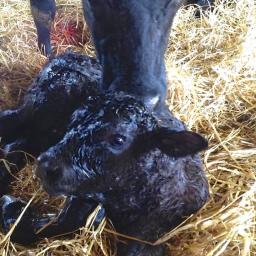
Allendale, Northumberland I watch a contraction surge across her back, a muscular ripple beneath her shining coat
|
 |
by Reuters on (#1BSHZ)
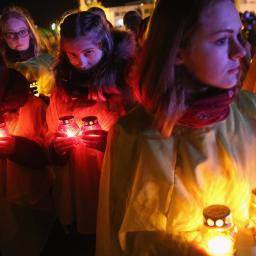
Series of events held to commemorate the tragedy, which remains the worst nuclear accident in historyUkraine is marking the 30th anniversary of the Chernobyl nuclear disaster, which permanently poisoned swathes of eastern Europe and highlighted the shortcomings of the secretive Soviet system.In the early hours of April 26, 1986, a botched test at the nuclear plant in then-Soviet Ukraine triggered a meltdown that spewed deadly clouds of atomic material into the atmosphere, forcing tens of thousands of people from their homes. Continue reading...
|
 |
by Helen Davidson in Darwin on (#1BS65)
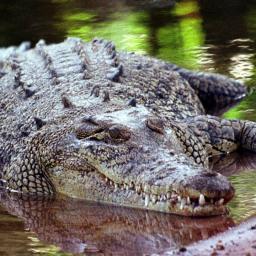
Camper Peter Rowsell says the crocodile came through a hole in his tent, which was just 15 metres from the water’s edgeA 19-year-old man says he’s “still a bit sore†after he was attacked by a crocodile while sleeping in a tent in Australia’s Northern Territory on Monday.Peter Rowsell had been camping with family near a creek in the Daly region, about two hours’ drive from Katherine, on the Anzac Day long weekend. Continue reading...
|
 |
by Paul Karp on (#1BS4X)
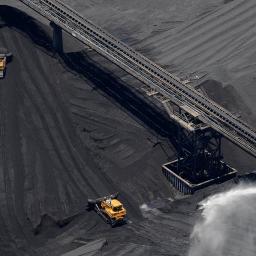
Religious, education and renewable energy sector leaders gather in Canberra, urging treasurer to take action in budgetA diverse group of religious, education and renewable energy sector leaders have gathered in Canberra to pressure Scott Morrison to cut $7.7bn worth of subsidies for fossil fuels in the budget.
|
 |
by Suzanne Goldenberg on (#1BRPM)
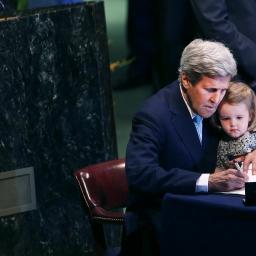
At least 34 countries representing 49% of greenhouse gas emissions formally joined the agreement, bringing it ‘within striking distance’ of entering into forceThe White House has said countries accounting for about half of the world’s greenhouse gas emissions would join the Paris climate agreement this year, bringing the agreement “within striking distance†of entering into force.At least 34 countries representing 49% of greenhouse gas emissions formally joined the agreement, or committed to joining the agreement as early as possible this year at a high-profile signing ceremony at the United Nations last Friday. Continue reading...
|
 |
by Gwyn Topham Transport correspondent on (#1BRDA)
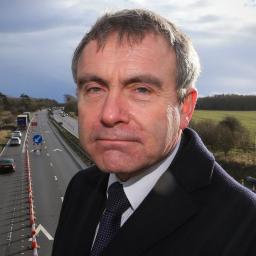
Transport select committee members accuse minister Robert Goodwill of attempting to protect reputation of VW in light of emissions scandalConsumer groups and MPs have criticised the government’s response to the VW scandal, as a minister refused to state if the vehicle manufacturer had done anything illegal and whether British drivers should be compensated.
|
 |
by Jon Henley European affairs correspondent on (#1BQZC)
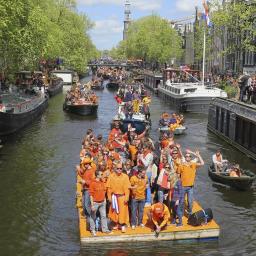
Water board aims to provide model of sustainability by collecting byproduct when orange-clad revellers take the pilsIt is a process as natural as it is inevitable: the consumption of large quantities of beer leads to the production of large quantities of another amber liquid.But when up 1.5 million ale-fuelled revellers take to the streets and canals of Amsterdam on Wednesday for the city’s annual King’s Day celebrations, the local water board does not intend to let it go to waste. Continue reading...
|
 |
by Oliver Milman on (#1BQX9)
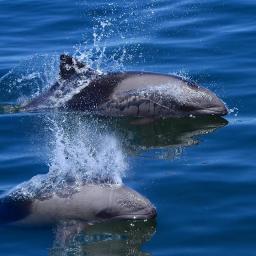
More than 100,000 people signed a petition against a plan for Dolphinaris, which would house dolphins in pools and allow people to swim with and ride themA plan to transport a group of dolphins to the Arizona desert so tourists can pay to frolic with them has come under fire from animal welfare activists who claim the attraction will be harmful to people as well as the dolphins.
|
 |
by Ryan Bradley on (#1BQJY)
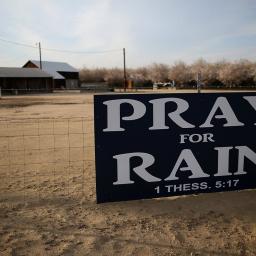
‘Anyone can buy a water right,’ I learned, as long as the owner has a use for the ‘wet asset’. Part of the Snake river became mine after negotiations with a tribe in Idaho – but I finally realized it could never really belong to meAbout a year ago, after another too-dry California winter, I decided to purchase an extremely large amount of water, acres of it, all for me. I don’t run a farm, nor do I have a big pond in my backyard. In fact, I don’t have a backyard. I don’t own any land at all. Still, I could, in theory, purchase water in bulk on the water market.In the American west, the way water ownership works is different from how it works east of the Mississippi, where water is abundant. In the east, the easiest path to owning a whole lot of water is to own some land, which will almost certainly have water on or underneath it. Out west, things are a little more confusing. Continue reading...
|
 |
by Megan Darby for Climate Home, part of the Guardian on (#1BQHE)
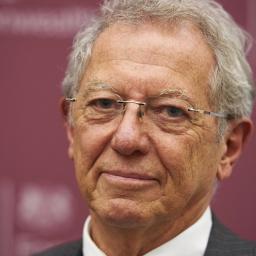
Climate Home: Sir David King favours technology development over emissions trading as a way to shift emerging economies off coalCarbon pricing is “too sluggish a weapon†against climate change, top UK envoy Sir David King said on Monday.Speaking at a sustainability event in London, Sir David argued innovation to bring down the cost of clean technology would bring swifter results. Continue reading...
|
 |
by Patrick Barkham on (#1BQCX)
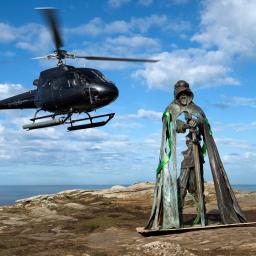
Our coast is seen as contemporary common land, the last wild place. ‘Selling’ it with something as attention-seeking as Tintagel’s ‘Arthur’ sculpture shuts down the imaginationSculpture by the seaside can always be expected to divide opinion, but English Heritage is inviting charges of Disneyfication by plonking a bronze vision of King Arthur on to the headland at Tintagel, Cornwall.It’s already tried to placate Cornish nationalists by insisting that Rubin Eynon’s statue is not necessarily King Arthur but relates to traces of dark ages kingly feasting found around Tintagel. Still, I fear an uprising in Cornwall, especially as the statue follows English Heritage’s carving of the face of “Merlin†into the granite cliffs below Tintagel castle. Continue reading...
|
 |
by Anna Leach on (#1BQ5K)
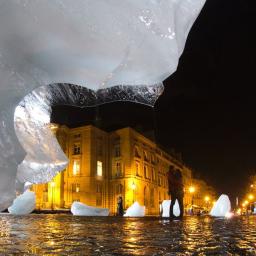
A panel of experts around the world share their thoughts on the most effective ways the arts can prompt climate actionSponsored by Connect4ClimateOur belief is that people act out of having a relationship with the environment. If that emotional connection is not there, they won’t care. Rather than relaying messages, it’s about creating experiences and creating an alternative that’s actually more rewarding. I often wonder if it’s as simple as encouraging creativity over consumption. Charlotte Webster, founder and director, Human Nature, London, UK, @HumanNatureArt Continue reading...
|
 |
by David Crouch in Gothenburg on (#1BQ3W)
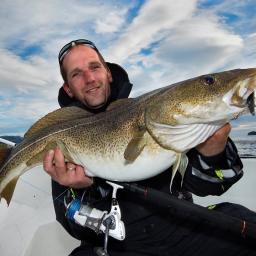
Climate change and human restraint appear to be behind the spectacular catches drawing anglers to the far north islandsForty years ago, the wife of the editor at the local paper for the remote Lofoten islands in Norway’s far north had an idea to boost its tiny circulation. The newspaper started to award a bag of coffee and a certificate to any angler who landed a cod over 30kg (66lb).Now the paper’s records, painstakingly compiled over the decades, bear witness to a remarkable outcome of climate change and far-sighted fisheries management. Continue reading...
|
 |
by Guardian Staff on (#1BQ2J)
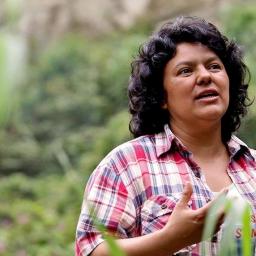
Berta Cáceres, the environmental campaigner from Honduras, was shot dead at her home by armed intruders last months. For years, she led protests against the building of dams, illegal logging and plantations. Despite repeated threats to her safety, Cáceres refused to be silenced. Photograph: Tim Russo/AP‘Time was running out’: Honduran activist’s last days marked by threats Continue reading...
|
 |
by Marta Vigneri on (#1BPVW)
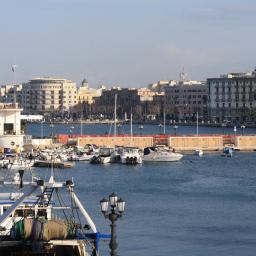
Nine hundred years ago, 62 sailors landed in Bari bearing the relics of their patron saint, in a bid to revive the city’s fortunes. But it was fishing, an aqueduct and a bustling cultural scene that made Bari the thriving Italian port it is todayWhite stone on the Adriatic. Continue reading...
|
 |
by Joseph Robertson on (#1BPF4)
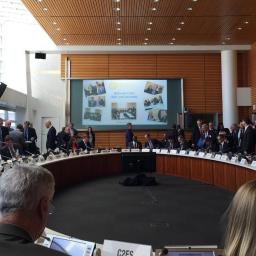
A coalition of governments, oil companies, and other key parties works for climate action and carbon pricing
|
 |
by Fiona Harvey , environment correspondent on (#1BP6W)
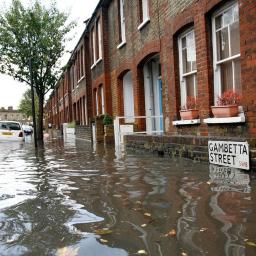
Government faces a possible defeat over proposal to require all new houses to have sustainable drainage to prevent surface flooding and sewer overflowsMoves to protect more households from the threats of surface flooding and sewer overload will be debated in parliament on Monday, with the government facing possible defeat in a key vote.Surface flooding is a growing problem, with at least 20,000 sewer overflows occurring in the UK a year. It is caused by the overloading of Britain’s antiquated sewer and drainage networks, and the concreting over of large swaths of land which leaves water with nowhere to be absorbed. Continue reading...
|
 |
by Stephanie Kirchgaessner in Rome on (#1BNXF)
Giant variety known as aglione is milder, odourless and easy to digest, say pair who have spent three years cultivating cropHelp is on the way for cooks and diners who love the taste of garlic but hold back from eating it for fear it will cause bad breath and indigestion.An unlikely Roman duo, a construction engineer and a commercial lawyer, have spent the past three years cultivating a special giant variety of garlic that used to be prevalent in Tuscany but has not been produced in large quantities for 40 years. The garlic, known in Italian as aglione, has a milder flavour, is odourless and easy to digest, say the two entrepreneurs, Alessandro Guagni and Lorenzo Bianchi. Continue reading...
|
 |
by Adam Vaughan on (#1BNXZ)
Swedish firm is optimistic of sales despite recent cuts to solar incentivesSolar panels will join tea lights and spider plants on sale at Ikea stores from Monday, despite huge government cuts to solar subsidies for homeowners.Shoppers will be able to order panels online and at three stores, initially Glasgow, Birmingham and Lakeside, before the so-called Solar Shops appear in all the Swedish company’s UK stores by summer’s end. Continue reading...
|
 |
by Tony Greenbank on (#1BNR9)
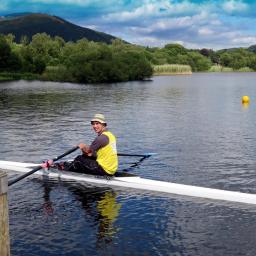
Derwentwater, Lake District Sculls are the swiftest human-powered craft – but when they are gliding along they are also ideal for bird-watchingSkiddaw’s scalloped massif rises above the old pencil town of Keswick, with the silvery-blue teardrop of Derwentwater poised below and stretching three miles towards crag-girt Great End in the far distance. At Portinscale, at the northern end of the lake, I watch as Nick Cowan, the Lakeland Rowing Club captain, clambers back on to the jetty and then – somewhat clumsily – I try to help him lift his thoroughbred 27ft scull ashore.Sculls are the swiftest human-powered craft, Nick, a retired Cockermouth GP, tells me over coffee in the marina. But they have one risk. “Scullers balance on hip-width sliding seats. Their skinny shells can capsize. Fall in icy lake water and you could succumb to ‘cold shock response’. This is why, summer apart, we wear life-vests and tend to hug the shore.†Such is their exhilaration. Continue reading...
|
 |
by Haroon Siddique on (#1BN6K)
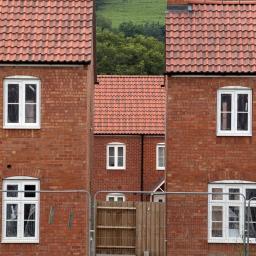
Campaign to Protect Rural England accuses councils of altering boundaries and the government of facilitating the processThe number of houses planned for England’s green belt has risen to 275,000, nearly 200,000 more than four years ago, making a mockery of government pledges to protect the countryside, a report says.The Campaign to Protect Rural England (CPRE) says the number of planned homes on the green belt has increased by 55,000 in a year, with the area around London and the West Midlands under particular threat. Continue reading...
|
 |
by Thomas Coward on (#1BN12)
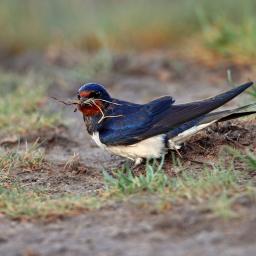
Originally published in the Manchester Guardian on 25 April 1916A solitary swallow, alternately beating seaward over the sand and drifting downwind above the dunes and golf links, passed me as it coasted along the Wirral shore towards the Lancashire side of the river, but beyond a small party of white wagtails on the shingle and a few silent willow wrens in the bushes inland it was the only summer bird I saw. Further inland, however, more migrants have appeared, for so long ago as Good Friday a friend found four species together on one of the sewage farms of the Upper Irwell, a favourite food and shelter providing spot for incoming birds. Swallows and white wagtails were there, and, in addition, the beautiful canary-coloured yellow wagtails (also reported from further south about the same time). The fourth kind was the sandpiper, long after its average date of arrival, and all of these had arrived during the night of the 20th, for none was visible on the previous day.The salt-laden breeze from the ruffled waters of Liverpool Bay failed to disturb the bumblebees, which were more active than I had seen them for many weeks. Big, many-banded females whirred from flower to flower, and one plump black-bodied bee poised on whirring wings above the gorse, and as it contemplated each blossom protruded a long flexible tongue and dived under the golden lips; its thighs were orange with pollen. And all the time the tuneful larks, ignoring the wind, filled the air with gladness. Continue reading...
|
 |
by Letters on (#1BMPE)
Giles Fraser says the EU “has become a huge and largely invisible way of redistributing wealth from the poor to the rich†(Why our landed gentry are so desperate to stay in the EU, 21 April). Clearly there is an element of the common agricultural policy that does do just that, to which capping payments to rich farmers may be the answer, but the overall situation is in fact the opposite.According to the eminent historian Tony Judt in his masterful Postwar: A History of Europe Since 1945, “taken all in all, the EU is a good thing … from the late eighties, the budgets of the European Community and the Union nevertheless had a distinctly redistributive quality, transferring resources from wealthy regions to poorer ones and contributing to a steady reduction in the aggregate gap between rich and poor: substituting, in effect, for the nationally based Social-Democratic programmes of an earlier generation.†Continue reading...
|
 |
by Editorial on (#1BMN8)
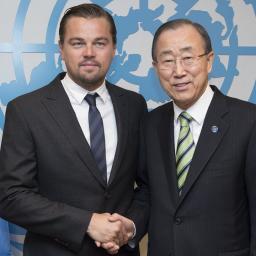
It was a spectacular signal of global intent on Friday when more than 170 governments signed up to the Paris deal. But it’s just the start of a long, hard roadThe danger of gala events like the official signing of the climate change treaty at the UN in New York on Friday, crowned with a guest appearance from Leonardo DiCaprio and with 60 heads of state in attendance, is the impression they create that the job is done. It was certainly a spectacular demonstration of global intent to get more than 170 signatures on the deal agreed in Paris in December at the first time of asking; but what matters is making it legally binding. For that, it must be not just signed but ratified by at least 55 countries, and it must cover 55% of emissions. Nor does the Paris deal go far enough. It was only a step on a long, hard road. The targets that each country set themselves do not go nearly far enough. Now the gap between reality and the ambition of holding global warming below 2C needs addressing. In Churchillian rhetoric, this is not the end, nor the beginning of the end, but it is the end of the beginning.There are powerful reasons to pursue the Paris summit objective. According to the Japan Meteorological Agency, each of the past 11 months was warmer than the 20th-century average. Nasa statistics showed that 2015 was even hotter than the previous record-setting year of 2014. Yet despite the way the evidence is stacking up, political leaders in polluting countries continue to argue about whether and how fast they need to act. In the US, President Barack Obama’s climate plan has hit trouble in the supreme court, where the regulation of emissions from coal-fired plants has been blocked. Hillary Clinton, the likely Democratic candidate for the presidency, is pledged to continue Mr Obama’s commitment to tackling emissions, but her probable rival, Donald Trump, is certainly not. The US and China are committed to ratifying the climate change treaty, but for others, such as India, it may be more complicated. Continue reading...
|
 |
by Rob Davies on (#1BMH7)
French economy minister says the energy giant’s green light on the £18bn project is now not expected until SeptemberThe decision on whether to go ahead with the £18bn Hinkley Point C nuclear power project has been delayed again, after France’s economy minister said the country’s energy giant EDF may not give it the green light until September.Emmanuel Macron’s comments come a week after he said EDF would deliver its verdict on Hinkley Point, which is set to meet 7% of the UK’s energy needs, in “the coming week or monthâ€. Continue reading...
|
 |
by Sam Jones on (#1BMB6)
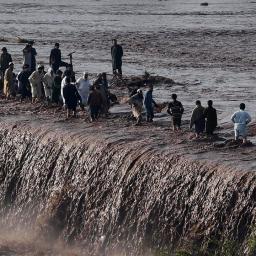
With cascading crises – where one event triggers another – set to rise, international disaster risk reduction efforts are woefully underfundedThe world’s failure to prepare for natural disasters will have “inconceivably bad†consequences as climate change fuels a huge increase in catastrophic droughts and floods and the humanitarian crises that follow, the UN’s head of disaster planning has warned.Last year, earthquakes, floods, heatwaves and landslides left 22,773 people dead, affected 98.6 million others and caused $66.5bn (£47bn) of economic damage (pdf). Yet the international community spends less than half of one per cent of the global aid budget on mitigating the risks posed by such hazards. Continue reading...
|
 |
by Guardian Staff on (#1BM82)
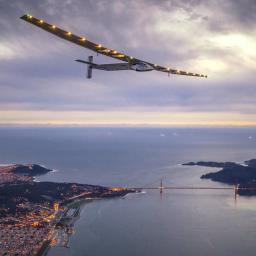
The solar-powered aircraft Solar Impulse 2 accomplished a 56-hour, record-setting flight over the Pacific Ocean on Saturday night. Pilot Bertrand Piccard guided the plane from Hawaii to San Francisco. The solar aircraft began its journey in March 2015 in Abu Dhabi, and has made stops in Oman, Myanmar, China and Japan. It is the first aircraft to fly day and night without fuel Continue reading...
|
 |
by Bruce Watson on (#1BM5F)
As bio-inspired engineering comes into its own, we take a look at the innovative technologies using nature as a blueprintThis week, the Biomimicry Institute, a nonprofit dedicated to bio-inspired engineering, announced the seven finalists in its first Biomimicry Global Design Challenge. The competitors, who come from around the globe, sought to develop efficient, nature-inspired solutions to food shortages. Their solutions copy a wide array of organisms, including an agricultural drainage system based on earthworms, an edible insect harvester based on a carnivorous plant and a desalinizing water still that imitates mangrove trees.These projects – and the rest of the Global Design Challenge competitors – have until October to develop working prototypes for their inventions. In the meantime, here are a few other bio-inspired innovations that are already changing our lives and the way we relate to nature.
|
 |
by Guardian staff and Associated Press in San Francis on (#1BK5D)
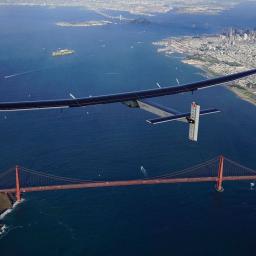
Plane powered only by sun flies over Golden Gate Bridge after spending 56 hours coming from Hawaii on riskiest leg of its journey around the worldA solar-powered plane accomplished a 56-hour, record-setting flight over the Pacific Ocean, flying by San Francisco’s Golden Gate Bridge and landing in Mountain View, California late Saturday night.Related: Solar Impulse: round-the-world flight to continue after raising €20m Continue reading...
|
 |
by Suzanne McGee on (#1BKN1)
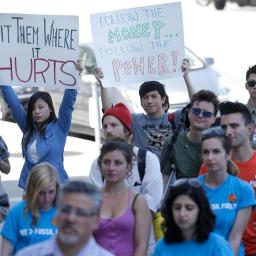
Earth Day will see calls on college campuses to pull funds from carbon-producing fuels but activists should consider positive ways to change energy policyIt’s April; your taxes are filed (hopefully); the cherry blossoms are out (hopefully), and Earth Day has rolled around once more. And in what is becoming yet another April ritual, on a growing number of college campuses, students are staging protests demanding that their institutions divest themselves of any holdings in companies involved in fossil fuel exploration or production – coal, crude oil or natural gas.
|
 |
by David Ferguson on (#1BKMZ)
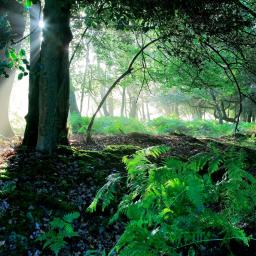
One company is trying to measure exactly how much urban trees are worth. But some things defy calculation
|
 |
by Guardian Staff on (#1BKF3)
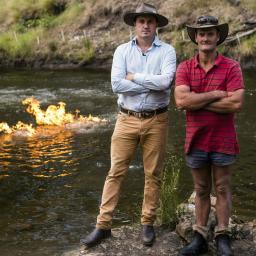
New South Wales Greens MP Jeremy Buckingham posted a video to Facebook on Friday showing him lighting the surface of the Condamine river, causing flames to rise up around his boat. He says the flames are a result of methane gas buildup, linked to the coal seam gas industry and fracking operations nearby. The government-funded science body, the CSIRO, says it is unlikely that the gas seep is linked to fracking Continue reading...
|
 |
by Felicity Lawrence on (#1BKAW)
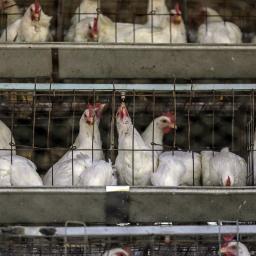
The debate about animal welfare has intensifiedThe year 2012 marked a leap forward for animal welfare in the European Union. Farmers were no longer allowed to keep egg-laying hens in barren battery cages smaller than an A4 sheet of paper. Instead, the minimum requirement now is that hens are kept in a cage the size of an A4 sheet of paper, with an extra postcard-sized bit of shared space that allows them to scratch and nest. These are known as enriched cages.Animal welfare campaigners would like to see them abolished too, saying they barely make a difference to the birds’ ability to express their natural behaviour and live free from stress. Around half of the eggs we eat are still produced in caged systems. Continue reading...
|
 |
by Patrick Holden on (#1BKBF)
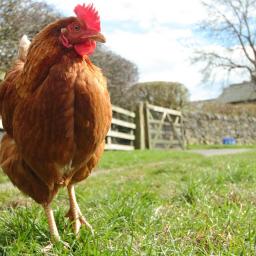
Industrial agriculture comes with a high cost to the environment and people’s health, says a leading sustainable farmerHave you ever asked yourself why an everyday “value†chicken can now be cheaper, pound for pound, than bread? Cheap chicken has become the “healthy†meat of choice for most shoppers and sales are booming, up 20% since 2000 in the UK. But is it really either cheap or healthy?Producers who use intensive methods are not financially accountable for the harm they cause. The apparently cheap price tag of industrial chicken does not include any of the costs related to pollution of the environment, destruction of natural capital, greenhouse gas emissions or the damage to public health resulting from such systems. It turns out that low-cost chicken isn’t cheap at all. Continue reading...
|
 |
by Tim Lewis on (#1BK79)
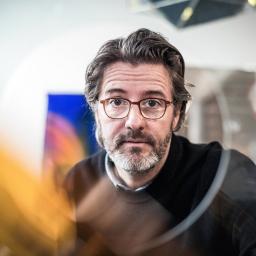
First Olafur Eliasson invented the Little Sun solar-powered lamp for parts of the world without electricity (and Glastonbury). Now the artist has come up with a solar-powered phone chargerInstallation artist Olafur Eliasson was born in Copenhagen in 1967 to Icelandic parents. He is best known for creating a giant sun in Tate Modern’s Turbine Hall in 2003, viewed by more than 2 million people, and for making four dramatic waterfalls in New York harbour in 2008. In 2012, he launched Little Sun solar-powered lamps for areas of the globe with no electricity (though they have also proved popular at music festivals in the developed world). This month, he releases the Little Sun Charge, which uses solar energy to power mobile phones.How successful has the Little Sun lamp been?
|
 |
by Calla Wahlquist on (#1BK67)
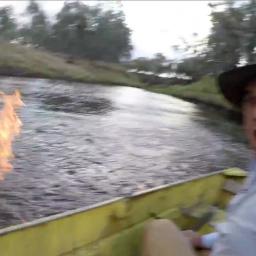
Jeremy Buckingham says scientists ‘making excuses’ for CSG industry after footage shows him touching off sheet of flame on the Condamine riverThe CSIRO has defended its independence after a Greens MP, whose footage of burning methane on a Queensland river went viral, accused the government-funded research body of “making excuses†for the coal seam gas industry.Jeremy Buckingham, a member of the New South Wales parliament’s upper house, posted the video, which showed him lighting the surface of the Condamine river with a barbecue lighter and sending flames licking around the boat, on his Facebook page on Friday. By Sunday it had been shared 13,000 times and had 2.2m views. Continue reading...
|
 |
by Kim Willsher on (#1BK4S)
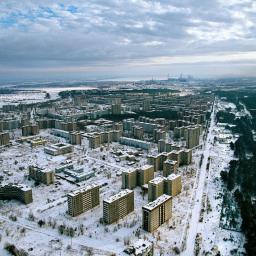
Thirty years after reporting the nuclear meltdown, Kim Willsher returns to consider the new ‘disaster tourism’Standing 100 yards from the husk of Chernobyl’s Reactor Number 4, the click-click-click of the Geiger counter becomes alarmingly insistent. One step closer and it is beeping and flashing. Our guide gives a reassuring smile. “It’s fine,†she says. But she knows we know she would say that.Soon, we are back on the bus and driving away from the Vladimir Ilyich Lenin Power Station, better known as Chernobyl. When I first visited, two years after the world’s worst nuclear accident, it took weeks of negotiating with the Soviet authorities to gain access to the plant. Today, busloads of visitors arrive on an almost daily basis. For less than £100, the adventurous can take a one-day tour of the so-called “dead zoneâ€, the contaminated 10km circle drawn around Chernobyl after the accident in the early hours of 26 April 1986. Continue reading...
|