 |
on (#37Y6A)
AI will blur the line between online and offline retail.
|
MIT Technology Review
| Link | https://www.technologyreview.com/ |
| Feed | https://www.technologyreview.com/topnews.rss?from=feedstr |
| Updated | 2026-10-11 15:45 |
|
on (#37STP)
AI will blur the line between online and offline retail.
|
 |
on (#37J2K)
The LinkedIn cofounder and venture capitalist explains how he’s trying to combat sexual harassment and economic inequality in the tech industry and beyond.
|
 |
on (#37ENN)
Scientists fear a crackdown on embryo research if President Trump pays attention to scientific advances.
|
 |
on (#37DT6)
Yasmin Green, head of R&D for Alphabet’s Jigsaw, is using technology in hopes of making the world a better place. It’s not easy.
|
 |
on (#37DQ5)
An AI system that started as a way to fight parking tickets will, by the end of this year, allow you to sue anyone.
|
 |
on (#37AK0)
AI is coming for jobs, but one of the field’s masters has an idea that he thinks can help.
|
 |
on (#377WP)
As we automate more and more decisions, being able to understand how an AI thinks is increasingly important.
|
 |
on (#375CB)
Salesforce will start selling its online learning platform, which has helped its own employees change roles and get promotions.
|
 |
on (#36Y7X)
The cryptocurrency’s price is soaring, but the fervor is about more than just an investment opportunity.
|
 |
on (#36S13)
After a disappointing clinical trial in 2015, scientists are trying anew to mend failing hearts with a gene.
|
 |
on (#36QEC)
Will you be among the first to pick your kids’ IQ? As machine learning unlocks predictions from DNA databases, scientists say parents could have choices never before possible.
|
 |
on (#36JA4)
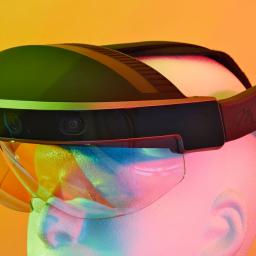
Augmented reality may eventually help you work. But a few days with the Meta 2 headset suggest it has a way to go.
|
 |
on (#367QZ)
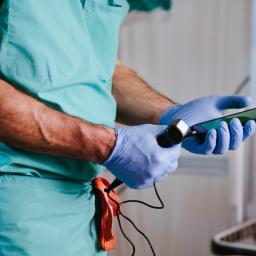
Can a smartphone-enabled ultrasound machine become medicine’s next stethoscope?
|
 |
on (#360CP)
Quantum computers will soon surpass conventional ones, but it will take time to make the machines useful.
|
 |
on (#36WCH)
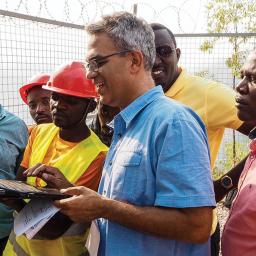
With an energy-efficient approach to rural connectivity, Vanu Bose aims to bring cellular coverage to the 1.1 billion people who lack it.
|
 |
on (#35X1J)
Technology outsourcing has been India’s only reliable job creator in the past 30 years. Now artificial intelligence threatens to wipe out those gains.
|
 |
on (#36EZ3)
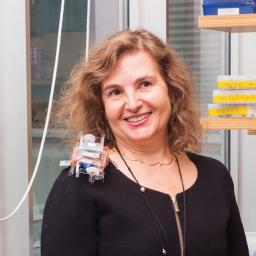
MIT computer scientist Daniela Rus is dreaming up our robot-filled future.
|
 |
on (#363P7)
As robots become smart enough to detect our feelings and respond appropriately, they could have something like emotions of their own. But that won’t necessarily make them more like humans.
|
 |
on (#35SVV)
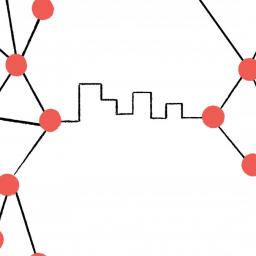
A new MIT study finds that larger cities are more resilient to technological unemployment.
|
 |
on (#35J8G)
An emerging trend in artificial intelligence is to get computers to detect how we’re feeling and respond accordingly. They might even help us develop more compassion for one another.
|
 |
on (#35EZV)
Tristan Harris thinks big tech is taking advantage of us all. Can its power be used for good?
|
 |
on (#35BQR)
Science and marketing clash in the “jungle†of direct-to-consumer DNA apps.
|
 |
on (#358BS)
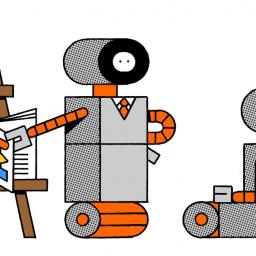
Automating machine learning will make the technology more accessible to non–AI experts.
|
 |
on (#3556E)
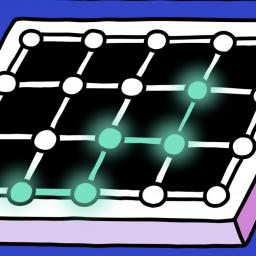
Energy experts believe that blockchain technology can solve a maze of red tape and data management problems.
|
 |
on (#34SZK)
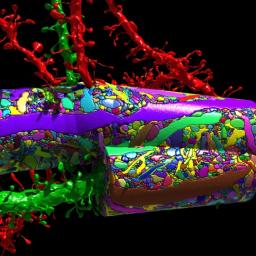
AI is only loosely modeled on the brain. So what if you wanted to do it right? You’d need to do what has been impossible until now: map what actually happens in neurons and nerve fibers.
|
 |
on (#34PQH)
Next up, predicting human speech with a brain-computer interface.
|
 |
on (#34KEZ)
The West shouldn’t fear China’s artificial-intelligence revolution. It should copy it.
|
 |
on (#34GFQ)
At Stanford and Google, Fei-Fei Li is leading the development of artificial intelligence—and working to diversify the field.
|
 |
on (#34BT2)
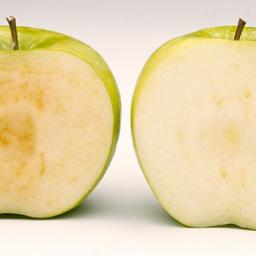
Can genetic modification appeal to consumers? A new apple will test the market.
|
 |
on (#348J9)
Mistaken extrapolations, limited imagination, and other common mistakes that distract us from thinking more productively about the future.
|
 |
on (#3458E)
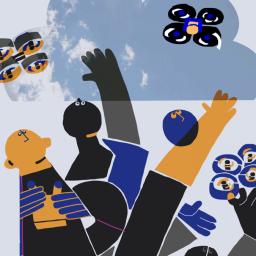
Hackers are using old tricks and new cryptocurrencies to turn stolen computing power into digital coins.
|
 |
on (#341S1)
At least 15 community colleges offer them, but it’s not clear how many students parlay their new skills into jobs.
|
 |
on (#33ZT7)
The goal is to use AI to keep you healthy. But are computers really smart enough to make sense of all that data?
|
|
on (#33YJ1)
An audacious Chinese entrepreneur wants to test your body for everything. But are computers really smart enough to make sense of all that data?
|
 |
on (#33V9D)
Soon you may be able to let your kid watch a video on your phone while you look at Facebook.
|
 |
on (#33JQT)
Just about every AI advance you’ve heard of depends on a breakthrough that’s three decades old. Keeping up the pace of progress will require confronting AI’s serious limitations.
|
 |
on (#33H70)
Maryland and New York still restrict who can order genetic tests and how companies can market them.
|
 |
on (#33BJZ)
Stewart Butterfield talks about how machine learning can help your work productivity.
|
 |
on (#334QD)
Bitcoin-like money may emerge in countries where cash is in decline or financial networks need updating.
|
 |
on (#33232)
Scientists are investigating a range of different delivery mechanisms for the gene-editing tool, from topical gels to skin grafts.
|
 |
on (#32W8C)
Scientists are hopeful they can inject the gene-editing technology directly into the ear to stop hereditary deafness.
|
 |
on (#32RT6)
A startup called iSee thinks a new approach to AI will make self-driving cars better at dealing with unexpected situations.
|
 |
on (#33852)
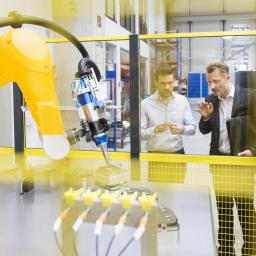
The sensor makes it possible to track the movements and actions of workers inside a factory or warehouse.
|
 |
on (#32NB3)
Future generations will scoff at your passcode.
|
 |
on (#32YH6)
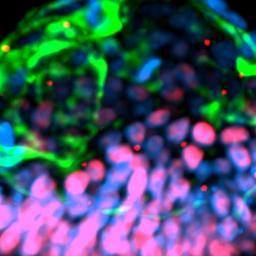
Stem cells can be coaxed to self-assemble into structures resembling human embryos.
|
|
on (#32HWM)
Stem cells can be coaxed to self-assemble into structures resembling human embryos.
|
 |
on (#32EN0)
The prosthesis could help more people who have lost their vision than a device already on the market.
|
 |
on (#326KF)
Decentralized databases promise to revolutionize medical records, but not until the health-care industry buys in to the idea and gets to work.
|
 |
on (#3237T)
iFlytek’s voice recognition technology is everywhere in China, and that’s what’s making it smarter every day.
|