 |
by James O'Donnell on (#6SZS9)
This story originally appeared in The Algorithm, our weekly newsletter on AI. To get stories like this in your inbox first, sign up here. If you drove by one of the 2,990 data centers in the United States, you'd probably think little more than Huh, that's a boring-looking building." You might not even notice it...
|
MIT Technology Review
| Link | https://www.technologyreview.com/ |
| Feed | https://www.technologyreview.com/topnews.rss?from=feedstr |
| Updated | 2026-09-27 07:33 |
 |
by Casey Crownhart on (#6SWGT)
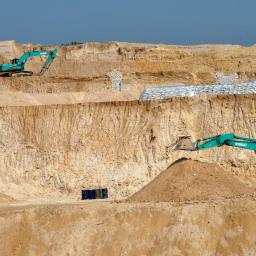
This article is from The Spark, MIT Technology Review's weekly climate newsletter. To receive it in your inbox every Wednesday, sign up here. I've thought more about gallium and germanium over the last week than I ever have before (and probably more than anyone ever should). As you may already know, China banned the export...
|
 |
by James O'Donnell on (#6STRQ)
One afternoon in late November, I visited a weapons test site in the foothills east of San Clemente, California, operated by Anduril, a maker of AI-powered drones and missiles that recently announced a partnership with OpenAI. I went there to witness a new system it's expanding today, which allows external parties to tap into its...
|
 |
by Charlotte Jee on (#6SA3R)
This is today's edition ofThe Download,our weekday newsletter that provides a daily dose of what's going on in the world of technology. The rise of Bluesky, and the splintering of social You may have read that it was a big week for Bluesky. If you're not familiar, Bluesky is, essentially, a Twitter clone that publishes...
|
 |
by Melissa Heikkilä on (#6RFQA)
This story originally appeared in The Algorithm, our weekly newsletter on AI. To get stories like this in your inbox first, sign up here. David Baker is sleep-deprived but happy. He's just won the Nobel prize, after all. The call from the Royal Swedish Academy of Sciences woke him in the middle of the night....
|
 |
by Jenna Ahart on (#6RC5T)
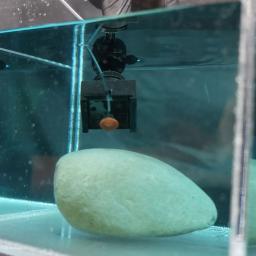
A new adhesive technology pays homage to one of nature's strongest sources of suction: an octopus tentacle. Researchers replicated an octopus's strong grip and controlled release to create a tool that manipulates a wide array of objects. It could help improve underwater construction methods or find application in everyday devices like an assistive glove. Each...
|
 |
by Nicole Silva on (#6RBDE)
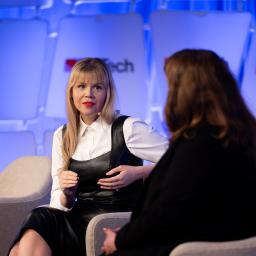
This sponsored session was presented by MEDC at MIT Technology Review's 2024 EmTech MIT event. Michigan is at the forefront of the clean energy transition, setting an example in mobility and automotive innovation. Other states and organizations can learn from Michigan's approach to public-private partnerships, actionable climate plans, and business-government alignment. Progressive climate policies are...
|
 |
by Rhiannon Williams on (#6RBAS)
This is today's edition ofThe Download,our weekday newsletter that provides a daily dose of what's going on in the world of technology. Google DeepMind wins joint Nobel Prize in Chemistry for protein prediction AI Google DeepMind founder Demis Hassabis has won a joint Nobel Prize for Chemistry for using artificial intelligence to predict the structures...
|
|
by Melissa Heikkilä on (#6RBAT)
In a second Nobel win for AI, the Royal Swedish Academy of Sciences has awarded half the 2024 prize in chemistry to Demis Hassabis, the cofounder and CEO of Google DeepMind, and John M. Jumper, a director at the same company, for their work on using artificial intelligence to predict the structures of proteins. The...
|
by Rhiannon Williams on (#6RAB5)
This is today's edition ofThe Download,our weekday newsletter that provides a daily dose of what's going on in the world of technology. Geoffrey Hinton, AI pioneer and figurehead of doomerism, wins Nobel Prize Geoffrey Hinton, a computer scientist whose pioneering work on deep learning in the 1980s and 90s underpins all of the most powerful...
 |
by Rhiannon Williams on (#6R6Q9)
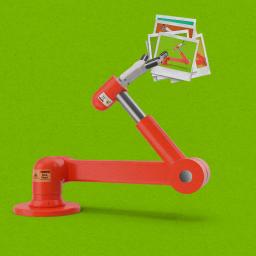
This is today's edition ofThe Download,our weekday newsletter that provides a daily dose of what's going on in the world of technology. AI-generated images can teach robots how to act Generative AI models can produce images in response to prompts within seconds, and they've recently been used for everything from highlighting their own inherent bias...
|
 |
by Casey Crownhart on (#6R6NK)
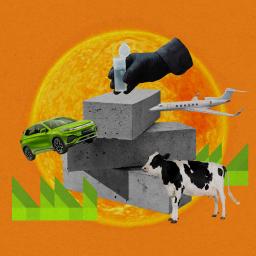
This article is from The Spark, MIT Technology Review's weekly climate newsletter. To receive it in your inbox every Wednesday, sign up here. It's finally here! We've just unveiled our 2024 list of 15 Climate Tech Companies to Watch. This annual project is one the climate team at MIT Technology Review pours a lot of...
|
|
by Rhiannon Williams on (#6R6KX)
Generative AI models can produce images in response to prompts within seconds, and they've recently been used for everything from highlighting their own inherent bias to preserving precious memories. Now, researchers from Stephen James's Robot Learning Lab in London are using image-generating AI models for a new purpose: creating training data for robots. They've developed...
|
 |
by Jenna Ahart on (#6R5RZ)
NASA is poised to launch Europa Clipper, a $5.2 billion mission to Jupiter's fourth-largest moon, as early as October 10. The spacecraft will blast off from Kennedy Space Center in Florida atop a SpaceX Falcon Heavy rocket. It will study Europa, a possible home for extraterrestrial life, through a series of flybys after reaching Jupiter...
|
 |
by Geoffrey Kamadi on (#6R59F)
Sun King is helping poor households across Asia and Africa access reliable, clean power and healthier ways of cooking. Accessing clean sources of energy has always been a challenge for low-income communities worldwide, given the high up-front costs. At least hundreds of millions of people around the world have unreliable or no access to the...
|
 |
by Maddie Stone on (#6R59E)
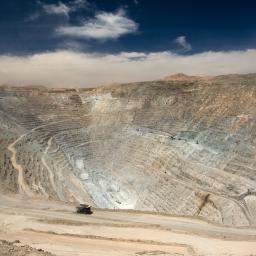
Ceibo seeks to eliminate a major potential speed bump for the clean-energy transition: the looming global copper shortage. The firm's low-impact extraction technology targets ores that aren't economical to mine today but could help meet the copper demands of an electrified world. Copper wires form the backbone of the clean-energy economy, connecting cars, buildings, and...
|
 |
by Maddie Stone on (#6R59C)
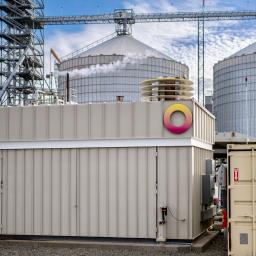
Rondo Energy is supplying cheap, zero-emissions heat to factories to replace fossil-fuel-powered boilers, furnaces, and kilns. Its approach of using bricks and iron wire to provide a steady supply of hot air or steam stands out for its simplicity and potential to scale. Finding a clean way to produce the large amounts of heat required...
|
 |
by Rhiannon Williams on (#6R59A)
It may not yet be a household name, but BYD is gaining recognition outside China for its affordable and accessible EVs. Despite regulatory scrutiny in the West, it's determined to lower the boundaries to manufacturing and transporting its vehicles across the globe. Five years ago, BYD was just another Chinese carmaker in a crowded field....
|
 |
by Melissa Heikkilä on (#6QZ4N)
This story originally appeared in The Algorithm, our weekly newsletter on AI. To get stories like this in your inbox first, sign up here. If it's not broken, don't fix it. That's the approach bad state actors seem to have taken when it comes to how they mess with elections around the world. When the...
|
 |
by Rhiannon Williams on (#6QYB6)
This is today's edition ofThe Download,our weekday newsletter that provides a daily dose of what's going on in the world of technology. Some countries are ending support for EVs. Is it too soon? Sales of new electric vehicles in Germany have plummeted, dropping nearly 37% in July 2024 from the same month one year ago....
|
 |
by Leo Herrera on (#6Q89G)
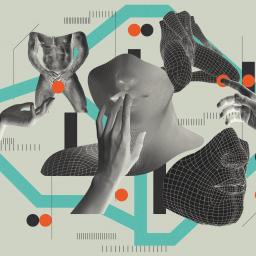
The power of pornography doesn't lie in arousal but in questions. What is obscene? What is ethical or safe to watch? We don't have to consume or even support it, but porn will still demand answers. The question now is: What is real" porn? Anti-porn crusades have been at the heart of the US culture...
|
 |
by Casey Crownhart on (#6PTMB)
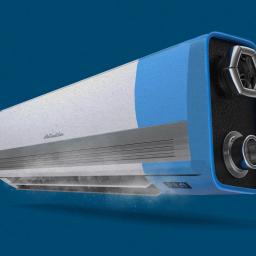
This article is from The Spark, MIT Technology Review's weekly climate newsletter. To receive it in your inbox every Wednesday, sign up here. When I get home in the evening on a sweltering summer day, the first thing I do is beeline to my window air-conditioning units and crank them up. People across the city,...
|
 |
by Casey Crownhart on (#6PRV4)
As temperatures climb on hot days, many of us are quick to crank up our fans or air conditioners. These cooling systems can be a major stress on electrical grids, which has inspired some inventors to create versions that can store energy as well as use it. Cooling represents 20% of global electricity demand in...
|
 |
by MIT Technology Review Insights on (#6PR3X)
Giddy predictions about AI, from its contributions to economic growth to the onset of mass automation, are now as frequent as the release of powerful new generative AI models. The consultancy PwC, for example, predicts that AI could boost global gross domestic product (GDP) 14% by 2030, generating US $15.7 trillion. Forty percent of our...
|
 |
by Jessica Hamzelou on (#6PP5C)
This article first appeared in The Checkup,MIT Technology Review'sweekly biotech newsletter. To receive it in your inbox every Thursday, and read articles like this first,sign up here. This week, I've been working on a piece about an AI-based tool that could help guide end-of-life care. We're talking about the kinds of life-and-death decisions that come...
|
 |
by Rhiannon Williams on (#6PGPS)
This is today's edition ofThe Download,our weekday newsletter that provides a daily dose of what's going on in the world of technology. Google DeepMind's new AI systems can now solve complex math problems AI models can easily generate essays and other types of text. However, they're nowhere near as good at solving math problems, which...
|
 |
by Rhiannon Williams on (#6PB9X)
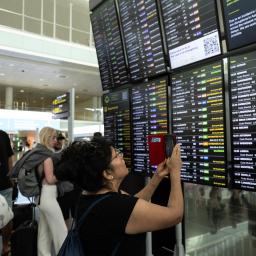
MIT Technology Review Explains: Let our writers untangle the complex, messy world of technology to help you understand what's coming next. You can read more here. Windows PCs have crashed in a major IT outage around the world, bringing airlines, major banks, TV broadcasters, health-care providers, and other businesses to a standstill. Airlines including United,...
|
|
by Rhiannon Williams on (#6PB6J)
This is today's edition ofThe Download,our weekday newsletter that provides a daily dose of what's going on in the world of technology. A widespread Windows outage is affecting airlines, banks, and TV broadcasters What's happening? Windows PCs have crashed around the world, bringing airlines, major banks, TV broadcasters, healthcare providers and other businesses to a...
|
 |
by Rhiannon Williams on (#6P4WA)
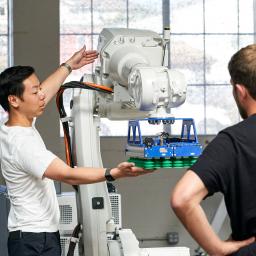
This is today's edition ofThe Download,our weekday newsletter that provides a daily dose of what's going on in the world of technology. AI is poised to automate today's most mundane manual warehouse task Before almost any item reaches your door, it traverses the global supply chain on a pallet. More than 2 billion pallets are...
|
|
by James O'Donnell on (#6P4W7)
Before almost any item reaches your door, it traverses the global supply chain on a pallet. More than 2 billion pallets are in circulation in the United States alone, and $400 billion worth of goods are exported on them annually. However, loading boxes onto these pallets is a task stuck in the past: Heavy loads...
|
 |
by Zeyi Yang on (#6P3SP)
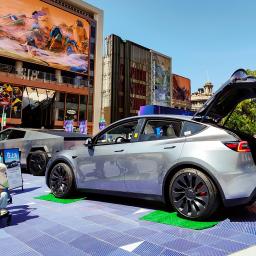
This story first appeared in China Report, MIT Technology Review's newsletter about technology in China.Sign upto receive it in your inbox every Tuesday. There's been so much news coming out of China's autonomous-vehicle industry lately that it's hard to keep track. The government is finally allowing Tesla to bring its Full Self-Driving (FSD) feature to...
|
by Alice Dragoon on (#6NSET)
When Allan Gottlieb '67 began editing the Puzzle Corner column in 1966, he was a junior at MIT, majoring in math. Little did he know then that he was undertaking a project that would last for nearly six decades. If you missed our previous celebrations of Allan, read our 2015 profile, Puzzle Corner's Keeper," and...
 |
by Jennifer Chu on (#6NS9X)
In tropical waters, coral reefs shelter marine life and buffer islands from stormy seas-but these natural structures are threatened by the effects of climate change, which is also multiplying the extreme weather events that leave coastal communities vulnerable to flooding and erosion. An MIT team now hopes to fortify coastlines with architected" reefs-sustainable offshore structures...
|
 |
by David L. Chandler on (#6NS9V)
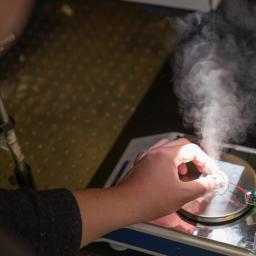
In a series of painstakingly precise experiments, a team of researchers at MIT has confirmed an astonishing discovery: light can cause water to evaporate without involvement from any source of heat. The phenomenon can occur at any surface where air and water meet, whether it's flat like a pond or curved like a droplet of...
|
 |
by Tate Ryan-Mosley on (#6GHR1)
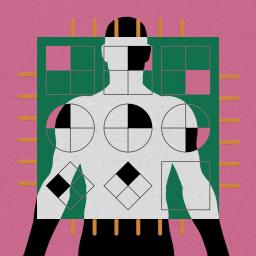
Meta is releasing a new transparency product called the Meta Content Library and API, according to an announcement from the company today. The new tools will allow select researchers to access publicly available data on Facebook and Instagram in an effort to give a more overarching view of what's happening on the platforms. The move...
|
 |
by Rhiannon Williams on (#6EA0S)
This is today's edition ofThe Download,our weekday newsletter that provides a daily dose of what's going on in the world of technology. Large language models aren't people. Let's stop testing them as if they are. In the past few years, multiple researchers claim to have shown that large language models can pass cognitive tests designed...
|
 |
by Peter Dizikes on (#6B59D)
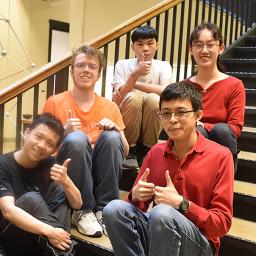
Children who attend preschool at age four are significantly more likely to go to college, according to an empirical study led by MIT economist Parag Pathak. To conduct the study, Pathak and his colleagues followed more than 4,000 students who took part from 1997 to 2003 in a lottery the Boston public school system conducted…
|
 |
by Sandi Miller on (#6B59B)
MIT took all five top spots in the William Lowell Putnam Mathematical Competition for the third year in a row and won the prize for the top woman for the fourth time in as many years. Seventy of the top 100 in the December event were MIT students, including 21 of the top 25. The…
|
 |
by Peter Dizikes on (#6B598)
For years, the Indonesian government sent 10-kilo bags of rice to villages, where local leaders were supposed to distribute them to poor residents every month. But starting about five years ago, recipients were instead sent debit cards to buy the food themselves. The result, according to a study led in part by MIT economists, was…
|
 |
by Kathy Wren on (#6B596)
Priscilla King Gray, the wife of former MIT president Paul Gray ’54, SM ’55, ScD ’60, and cofounder of the MIT Public Service Center (since renamed the PKG Center), died February 8 at age 89. In more than 50 years at the Institute, beginning when her husband joined the faculty in 1960, Gray made an…
|
 |
by Tate Ryan-Mosley on (#6AE5Y)
(This article is from The Technocrat, MIT Technology Review’s weekly tech policy newsletter about power, politics, and Silicon Valley. To receive it in your inbox every Friday, sign up here.) Advances in artificial intelligence tend to be followed by anxieties around jobs. This latest wave of AI models, like ChatGPT and OpenAI’s new GPT-4, is…
|
 |
by Eileen Guo, Tate Ryan-Mosley on (#6AE4T)
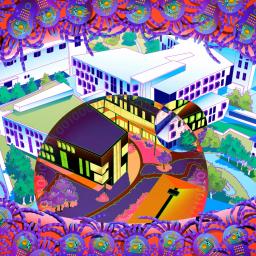
When computer science students and faculty at Carnegie Mellon University’s Institute for Software Research returned to campus in the summer of 2020, there was a lot to adjust to. Beyond the inevitable strangeness of being around colleagues again after months of social distancing, the department was also moving into a brand-new building: the 90,000-square-foot, state-of-the-art…
|
 |
by MIT Technology Review Insights on (#6AC6H)
To say that semiconductor technology is part of the fabric of modern society is not an overstatement—it underpins everything from our cars to our phones to our home appliances. In 2021, the semiconductor industry shipped a record 1.15 trillion chips, and sales topped half a trillion dollars worldwide, while thousands of new chip designs entered…
|
 |
by Jessica Hamzelou on (#6AC0R)
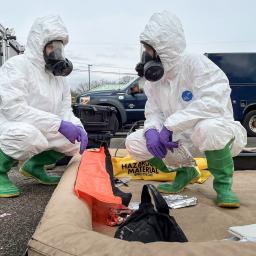
This article is from The Checkup, MIT Technology Review’s weekly biotech newsletter. To receive it in your inbox every Thursday, sign up here. What are chemical pollutants doing to our bodies? It’s a question that’s been on my mind this week, for a few reasons. Last week, people in Philadelphia cleared grocery shelves of bottled…
|
 |
by MIT Technology Review Insights on (#6A3SE)
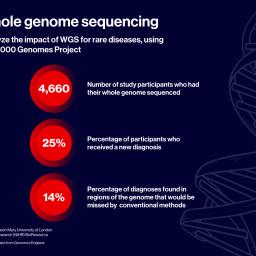
Repairing a human liver using lab-grown cells. Using oral antibiotics to treat cystic fibrosis patients. Producing a single-dose treatment for breast cancer that’s proving highly effective. Predicting cancer with AI. All of this innovation came out of the UK life sciences industry. “It’s really the only industry that can both improve the health of your…
|
by Jenn Webb on (#69T2Q)
Thank you for joining us on “The cloud hub: From cloud chaos to clarity.” Businesses must make their energy-guzzling data centers more sustainable; one intelligent way is advanced AI. Click here to continue.
by Jenn Webb on (#69T2R)
Thank you for joining us on “The cloud hub: From cloud chaos to clarity.” Nik Kraft from Meta drives the conversation with Marika Arvelid from E.ON, Professor Dr. Dries Faems from WHU, Germany, and Rajeshwari Ganesan from Infosys, on how a cloud environment supports an open and interoperable ecosystem, making the metaverse a reality and…
 |
by MIT Technology Review Insights on (#69405)
Investors today no longer reward companies for incremental changes in their core business. Embracing digital throughout the business can help traditional companies exponentially increase value and their ability to compete with digital natives, if done correctly. However, an EY-Parthenon report finds that 70% of digital investments don’t capture their intended value and only 16% of…
|
 |
by Rhiannon Williams on (#688PR)
This is today’s edition of The Download, our weekday newsletter that provides a daily dose of what’s going on in the world of technology. A watermark for chatbots can spot text written by an AI What’s happened: A new method could help us to spot AI-generated texts. Watermarking buries hidden patterns in the text that are invisible…
|
|
by Melissa Heikkilä on (#688MW)
Hidden patterns purposely buried in AI-generated texts could help identify them as such, allowing us to tell whether the words we’re reading are written by a human or not. These “watermarks” are invisible to the human eye but let computers detect that the text probably comes from an AI system. If embedded in large language…
|