How Ideas Are Spread According to ‘The Diffusion of Innovations’ Theory From 1962
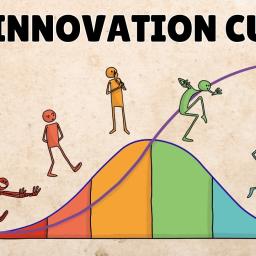
The educational channel Sprouts created a colorful animation that explains The Diffusion of Innovations" theory, introduced by sociologist Everett M. Rogers in 1962, which specifically examines the rate at which new ideas spread and the five types of people who adopt them.
The Diffusion of Innovations Theory explains how new ideas, products, and trends spread through a community in a predictable pattern. Introduced by sociologist Everett M. Rogers in 1962, it classifies people into five adopter categories: Innovators, Early Adopters, Early Majority, Late Majority, and Laggards.
The theory also looks at the characterization of such innovations and how they appeal to consumers.
He also describes five characteristics thatwe evaluate when deciding whether to adoptan innovation. Does it fit with our existing values or habits? Can you try it before you buy it? Is it actually better? Can we see the benefits? And, is it easy to use? For example, an innovation might be incompatible,complex, and impossible to try out,all of which reduces its likelihood of being adopted.
subscribe to the Laughing Squid Newsletter
The post How Ideas Are Spread According to The Diffusion of Innovations' Theory From 1962 was originally published on Laughing Squid.