How the Exaggerated, Fluid Style of Rubber Hose Animation Laid the Foundation for Modern Cartoons
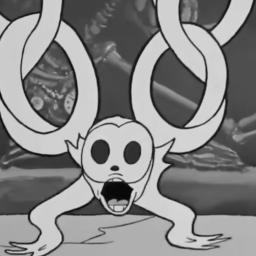
Illustration essay channel Alla Prima explained the century-old history behind rubber hose animation, noting that this iconic style, developed by Bill Nolan, featured characters with exaggerated noodle-like arms and legs, allowing fantastic stories to be told. Early examples include Felix the Cat, Betty Boop, and Mickey Mouse.
The rubber-hose style was developed by animator Bill Nolan, and you can see it in action in Sullivan Studio's cartoon, Felix the Cat". By the mid-1930s, it was so widespread that everyone from Fleischer Studios, Warner Brothers Pictures, Walter Lantz Productions, Van Beuren Studios, Terrytoons, Iwerks Studio, and Walt Disney Studios, just to name a few, all had their own versions.
While cartoon realism entered the public eye in 1937 withSnow White, the foundation of rubber hose animation laid the groundwork for modern iterations of the genre.
Rubber hose animation laid the foundation for many of the animated shows and movies we have now. From its slapstick comedy to its imaginative movement to its exaggerated character designs, rubber hose pushed the boundaries of what animation couldand helped shape it into the expressive medium we recognize today.
via Miss Cellania
subscribe to the Laughing Squid Newsletter
The post How the Exaggerated, Fluid Style of Rubber Hose Animation Laid the Foundation for Modern Cartoons was originally published on Laughing Squid.