Why the F and J Keys on a Computer Keyboard Have Small Raised Bumps
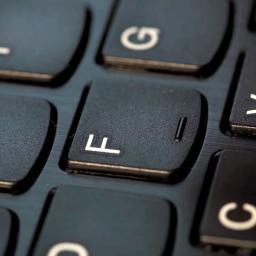
Simple Things - Surprising Histories explained why the F and J keys on a computer keyboard have small tactile ridges at the bottom, while other keys don't. These are known as homing markers and help a person find the center of the keyboard solely by touch.
Close your eyes and place your hands on your keyboard. If you type often, then your fingers probably found the correct position almost instantly. That's because of those tiny bumps. They're called tactile markers, sometimes known as homing bars. Their job is surprisingly simple, helping your hands locate the home row without needing your eyes
The narrator also addressed the origins of touch typing, early typewriter designs, the transfer of that skill to computers, and the biology behind this simple design.
The moment your fingers brush across those tiny ridges, your brain instantly uses that tactile feedback to orient your hands across the keyboard. It happens so quickly that you barely notice it. But without those small physical markers, many touch typists become slower and make more mistakes.
subscribe to the Laughing Squid Newsletter
The post Why the F and J Keys on a Computer Keyboard Have Small Raised Bumps was originally published on Laughing Squid.