Google Pixel 11 Pro Fold vs. Pixel 10 Pro Fold: It's (almost) time to upgrade
Upgrades galore
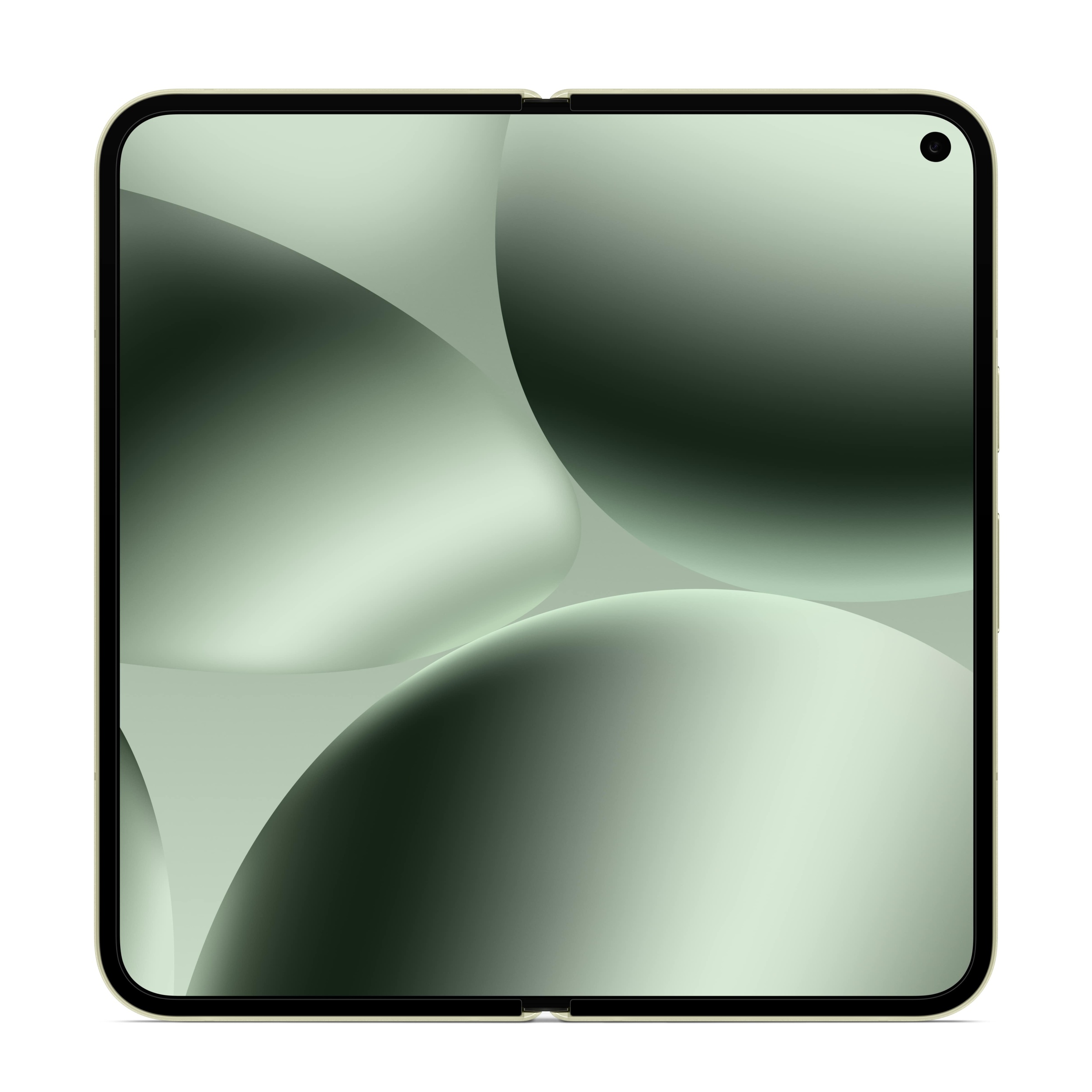
The Pixel 11 Pro Fold is set to address long-standing issues with Google's foldables. It's set to be thinner, lighter, and bring a new 2nm Tensor G6 platform that should be much faster. Oh, and it will take better photos.
Winning where it counts
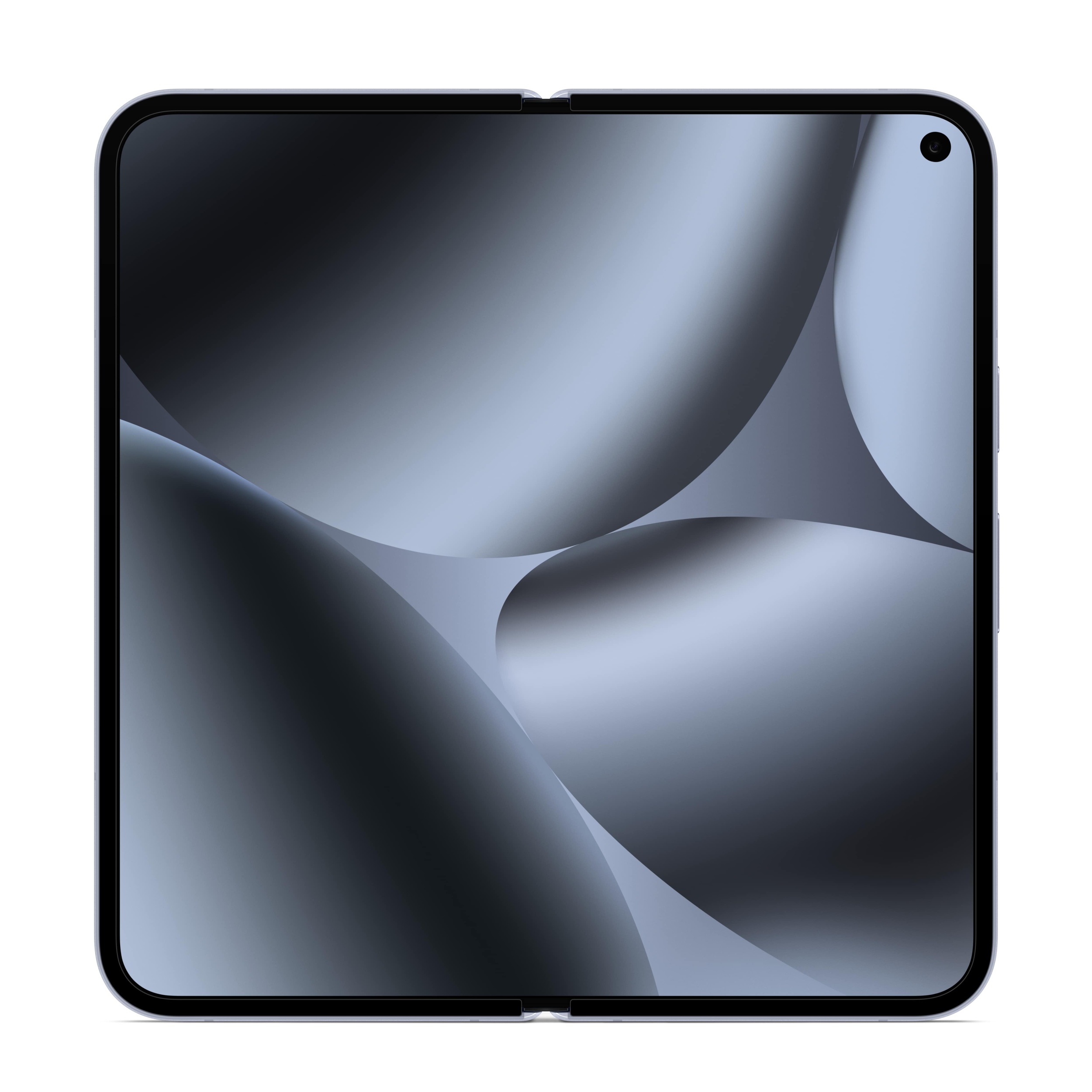
The Pixel 10 Pro Fold isn't the fastest foldable, doesn't last as long as its Chinese rivals, and it doesn't take the best photos. But it has the best software, and unique extras you don't get anywhere else. If you look past the specs, this is a great foldable.
Last year's Pixel 10 Pro Fold didn't really have many new features; other than better water resistance, Tensor G5, and a bigger battery, it was identical to the Pixel 9 Pro Fold. With other brands rolling out noticeable upgrades - including Samsung with the thinner Galaxy Z Fold 7 - the Pixel 10 Pro Fold felt like a tame release.
That's why I'm excited to see what Google has in store with the Pixel 11 Pro Fold. The latest leaks suggest the upcoming foldable will get new cameras - a long-overdue upgrade - alongside a new Tensor G6 platform built on a 2nm node, brighter OLED panels inside and out, and design tweaks. This might finally be the year where Google takes the fight to Samsung and Vivo, and I can't wait.
Google Pixel 11 Pro Fold vs. Pixel 10 Pro Fold: Pricing and availability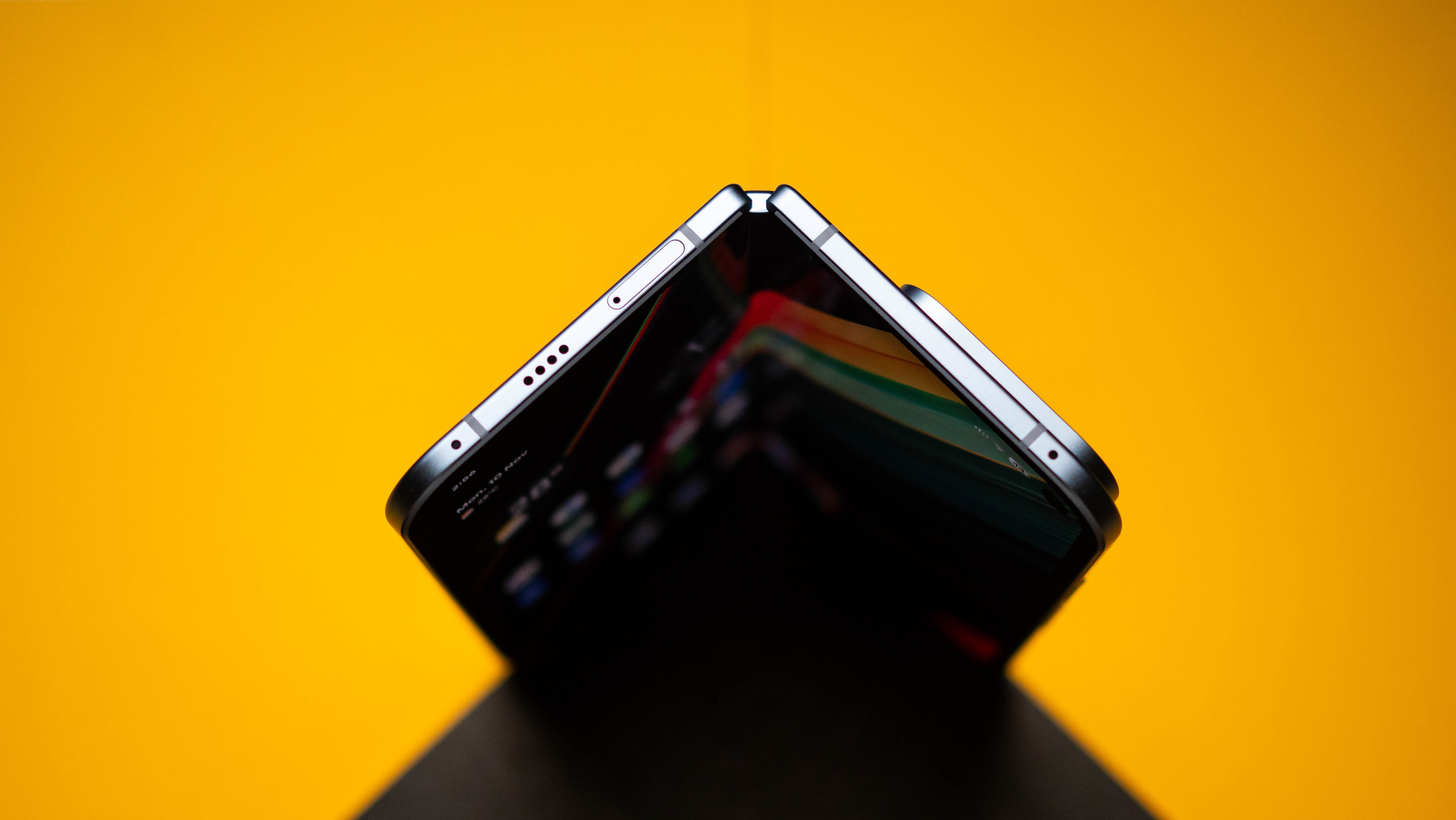
Google has confirmed that it will showcase the Pixel 11 on August 12. Like last year, we should get four models: the Pixel 11, Pixel 11 Pro, Pixel 11 Pro XL, and the Pixel 11 Pro Fold. I don't see any changes to Google's release strategy this year, so these models should be up for pre-order as soon as the launch event ends, with general sales starting before the end of August.
The Pixel 10 Pro Fold retailed at $1,799 for the 256GB model, but with rising memory and storage costs, it's a given that the Pixel 11 Pro Fold will be at least $100 costlier, bringing it up to $1,899. We'll need to wait until the launch event to know what the foldable actually costs, but considering trends across the industry, it's almost guaranteed that you'll need to pay more to get your hands on Google's upcoming phones.
Google Pixel 11 Pro Fold vs. Pixel 10 Pro Fold: Design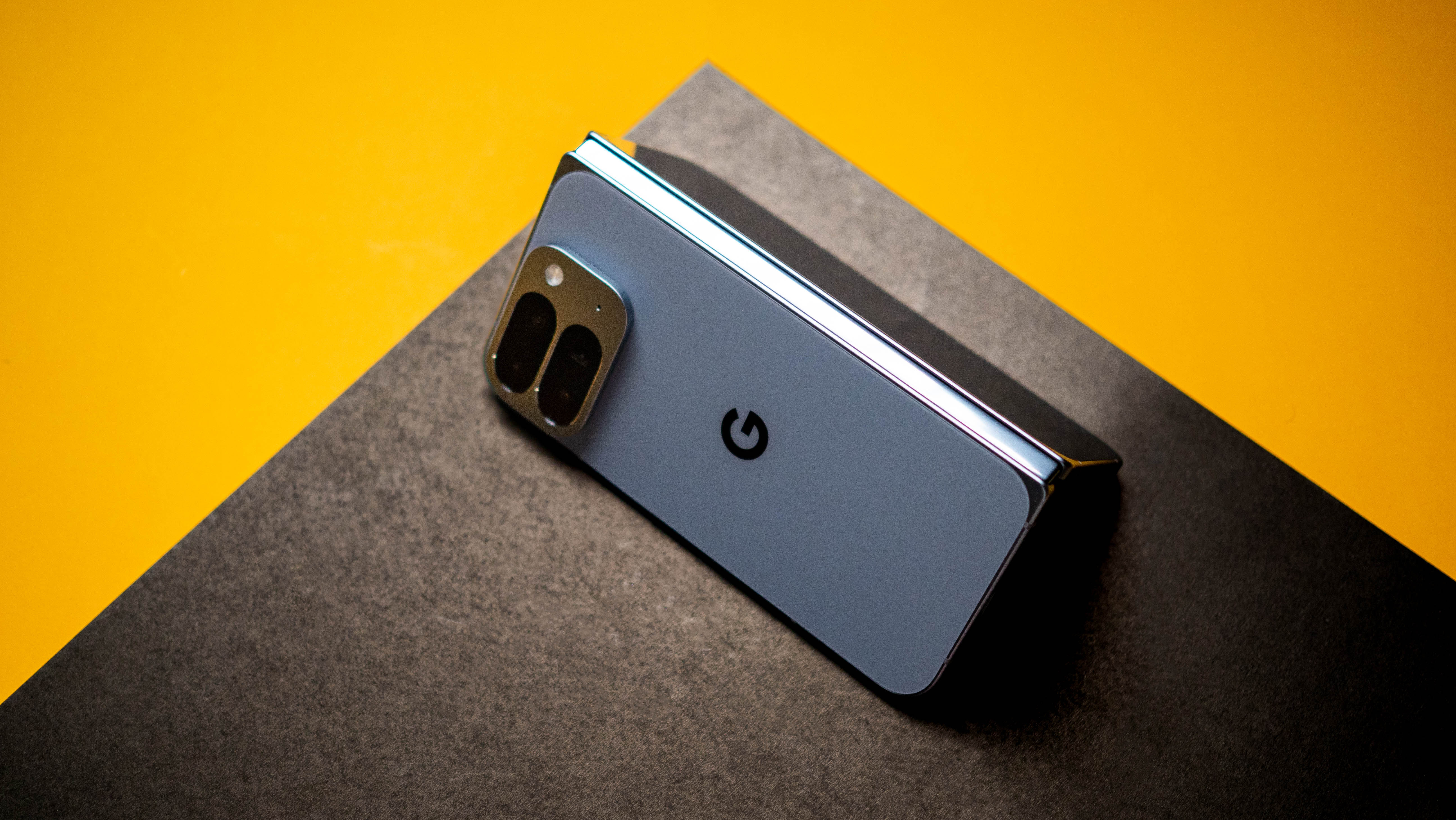
Leaks point to Google tweaking the design of the Pixel 11 Pro Fold a little bit to make the rear camera island a little more distinctive, but other than that, the device looks similar to its predecessor. This is a good thing; Google has a distinct design aesthetic, and that isn't changing in 2026.
The one thing I'd like to see is a lighter foldable. The Pixel 10 Pro Fold weighs 258g, a full 43g heavier than the Galaxy Z Fold 7, and that difference in heft is immediately noticeable. The added bulk and weight makes the Pixel 10 Pro Fold a little cumbersome at times, and this is something that Google needs to address this year.
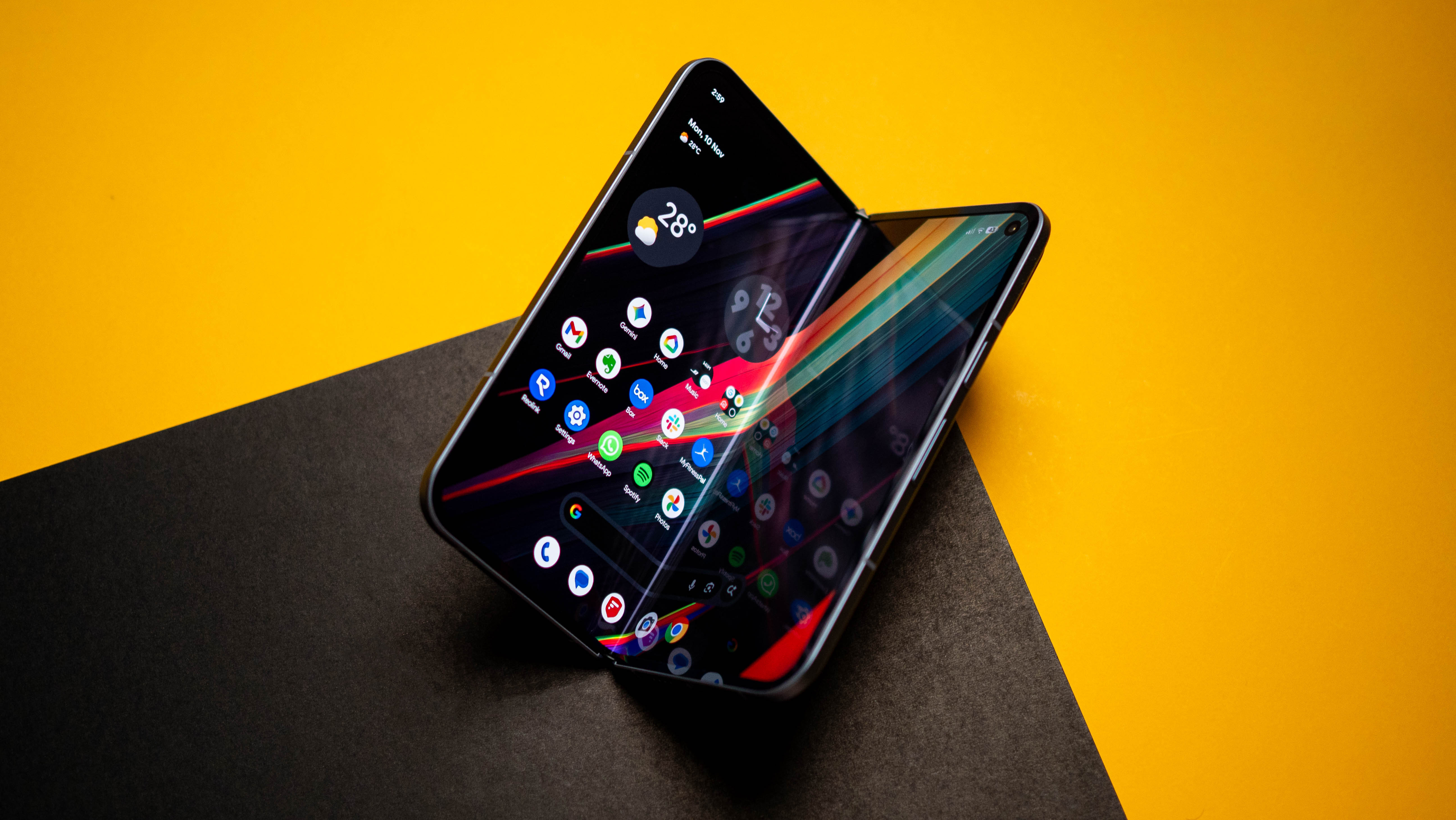
Another thing that Google needs to consider is the size; most foldables are now under 4.5mm unfolded and 9mm when folded, and the Pixel 11 Pro Fold needs to be able to measure up in this category. A thinner and lighter foldable would go a long way in making the Pixel 11 Pro Fold stand out against its predecessors, and this is a key requirement in 2026.
A new feature coming to this year's Pixels is Pixel Glow, an LED notification light that's located on the rear camera island. This is something Nothing uses to great effect on its phones, and I can't wait to see how Google leverages it.
The Pixel 10 Pro Fold has one of the best OLED panels on any foldable, and while the Pixel 11 Pro Fold isn't set to change the size of the panels, it may get brighter. That's a positive move, and I like that Google isn't changing the size; the inner 8.0-inch panel is the ideal size to multitask, and the outer 6.4-inch panel has adequate real estate.
Google Pixel 11 Pro Fold vs. Pixel 10 Pro Fold: Specs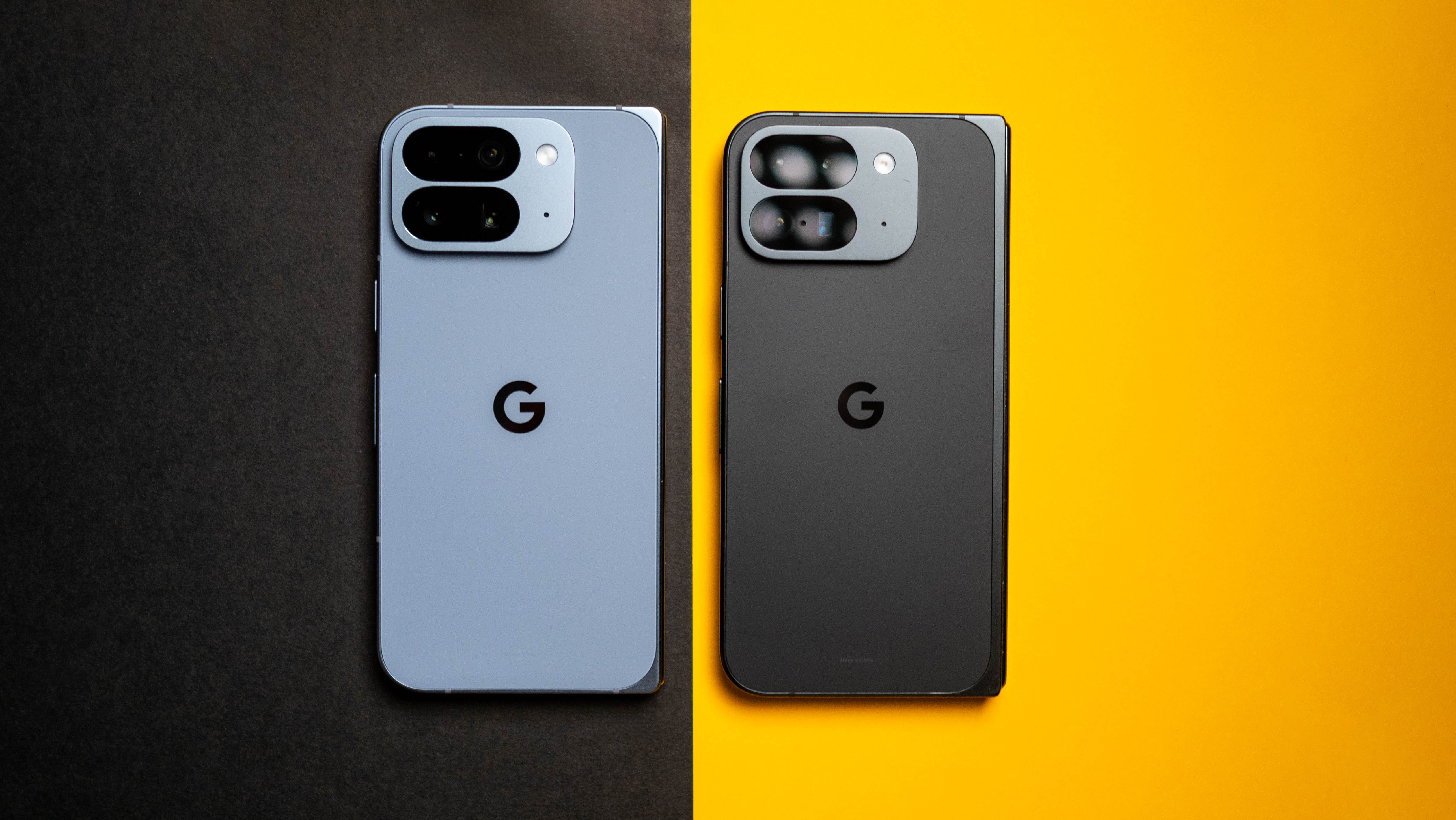
The headlining change with the Pixel 11 Pro Fold is the Tensor G6 platform. Google's phones haven't really stood up to their Qualcomm and MediaTek rivals in the past, but that could finally be changing. I'm not going to suggest that the Tensor G6 will be as fast as the Snapdragon 8 Elite Gen 5, but it shouldn't be as hobbled as the G5 and G4 when it comes to gaming.
A big part of that has to do with the node switch to 2nm, which inherently delivers better efficiency. Google is also said to be using new cores, and that should bring the Tensor G6 up to scratch, and I'm crossing my fingers that it holds up a lot better in gaming - this is an area where Google just hasn't done enough in the past.
Category | Google Pixel 11 Pro Fold (based on leaks) | Google Pixel 10 Pro Fold |
Operating System | Android 17, seven years of software updates (likely) | Android 17, seven years of software updates |
Display | Outer: 6.4-inch OLED, 120Hz, 3500 nits Inner: 8.0-inch OLED, 120Hz, 3500 nits | Outer: 6.4-inch OLED, 120Hz, 3000 nits Inner: 8.0-inch OLED, 120Hz, 3000 nits |
Chipset | Tensor G6, 2nm TSMC | Tensor G5, 3nm TSMC |
RAM | 16GB | 16GB |
Storage | 256GB/512GB/1TB | 256GB/512GB/1TB |
Rear cameras | Main: 50MP Tele: 10.8MP f/3.1, OIS, 5x zoom Wide: 10.5MP f/2.2 | Main: 48MP f/1.7, OIS Tele: 10.8MP f/3.1, OIS, 5x zoom Wide: 10.5MP f/2.2 |
Front camera | 10MP f/2.2 | 10MP f/2.2 |
Battery | 4,800mAh | 5,015mAh |
Charging | 45W wired, PPS 15W Qi 2 wireless | 30W wired, PPS 15W Qi 2 wireless |
Ingress protection | IP68 dust and water resistance | IP68 dust and water resistance |
The other big change is around cameras; the Pixel 11 Pro Fold is said to get a new main camera, which should allow the foldable to take better photos. This is something that Google needed to address last year on the Pixel 10 Pro Fold, but I'm glad the brand is making amends in 2026; with the Galaxy Z Fold 8 incoming and the Vivo X Fold 6 slated to launch globally, Google needs to do much better with the cameras on the Pixel 11 Pro Fold. I want to see a better 3x lens as well, but the leaks point to just the main camera getting a new sensor, so it looks like the rest of the modules will be similar to last year.
Then there's the battery; leaks have pointed to a smaller 4,800mAh battery this year, but we will need to wait until the launch event to see if that's legitimate. A smaller battery is the easiest way to shave weight and thickness, but the obvious downside is that the phone doesn't last as long.
It is feasible that Google is counting on the efficiency gains of the Tensor G6 to offset the smaller battery. I would much prefer to see a bigger battery, and if every other brand is able to deliver at least a 5,000mAh battery in a foldable that's under 10mm and 220g, I don't see why Google couldn't do it.
Google Pixel 11 Pro Fold vs. Pixel 10 Pro Fold: Which should you buy?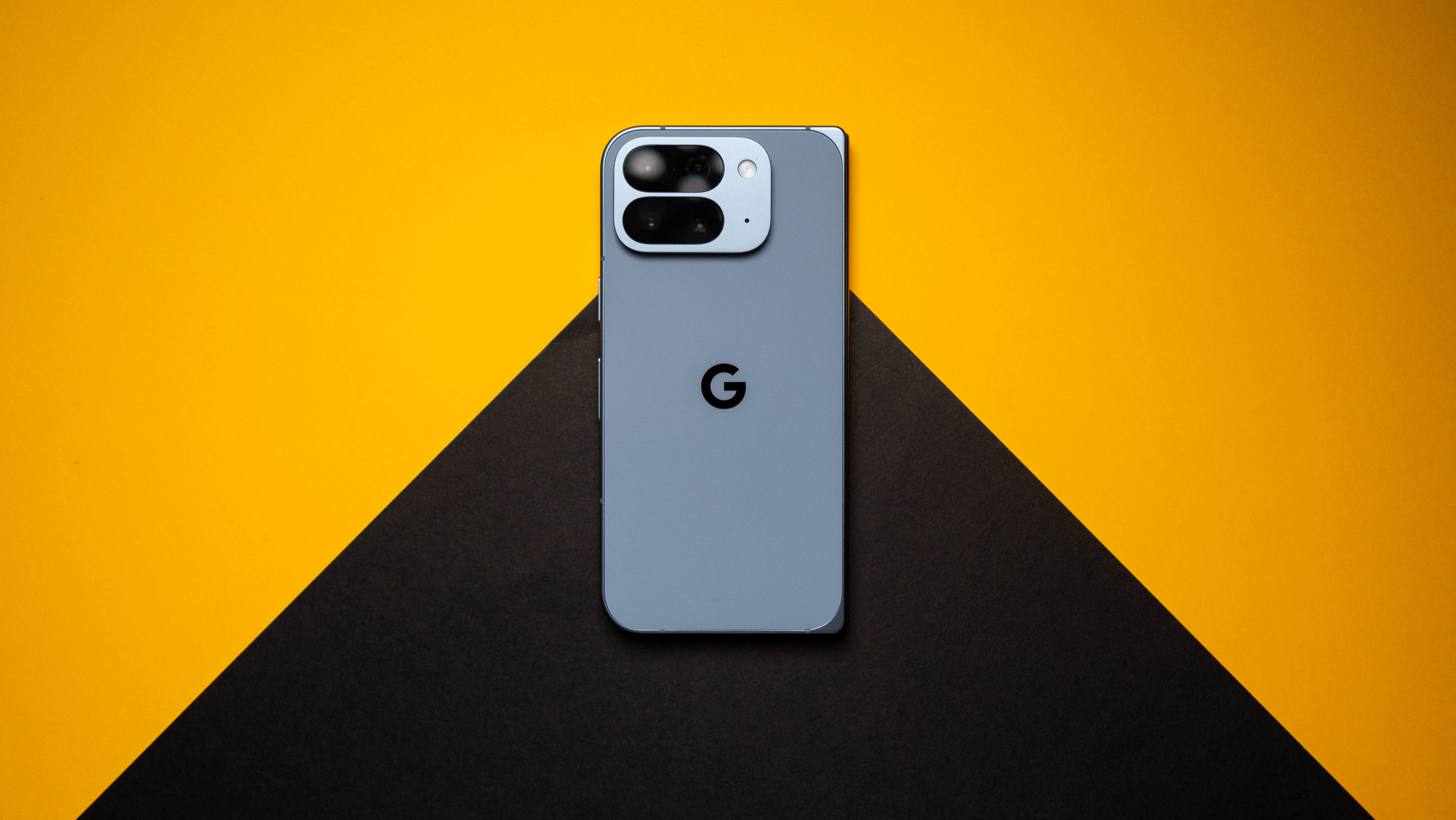
With the Pixel 11 Pro Fold, Google needs to deliver a thinner and lighter foldable with better cameras. The Pixel 11 Pro Fold should bring decent upgrades this year, and the move to the Tensor G6 could resolve long-standing issues. Then again, this is all conjecture - we'll need to wait until August 12 to know what the Pixel 11 Pro Fold actually brings to the table.
In spite of the average cameras and the weight, I enjoyed using the Pixel 10 Pro Fold. The software is a real joy, and Android 17 made the foldable even better. If you don't need the best cameras and are okay with a heavier foldable, the Pixel 10 Pro Fold is a great choice - and you don't have to pay anywhere as much.
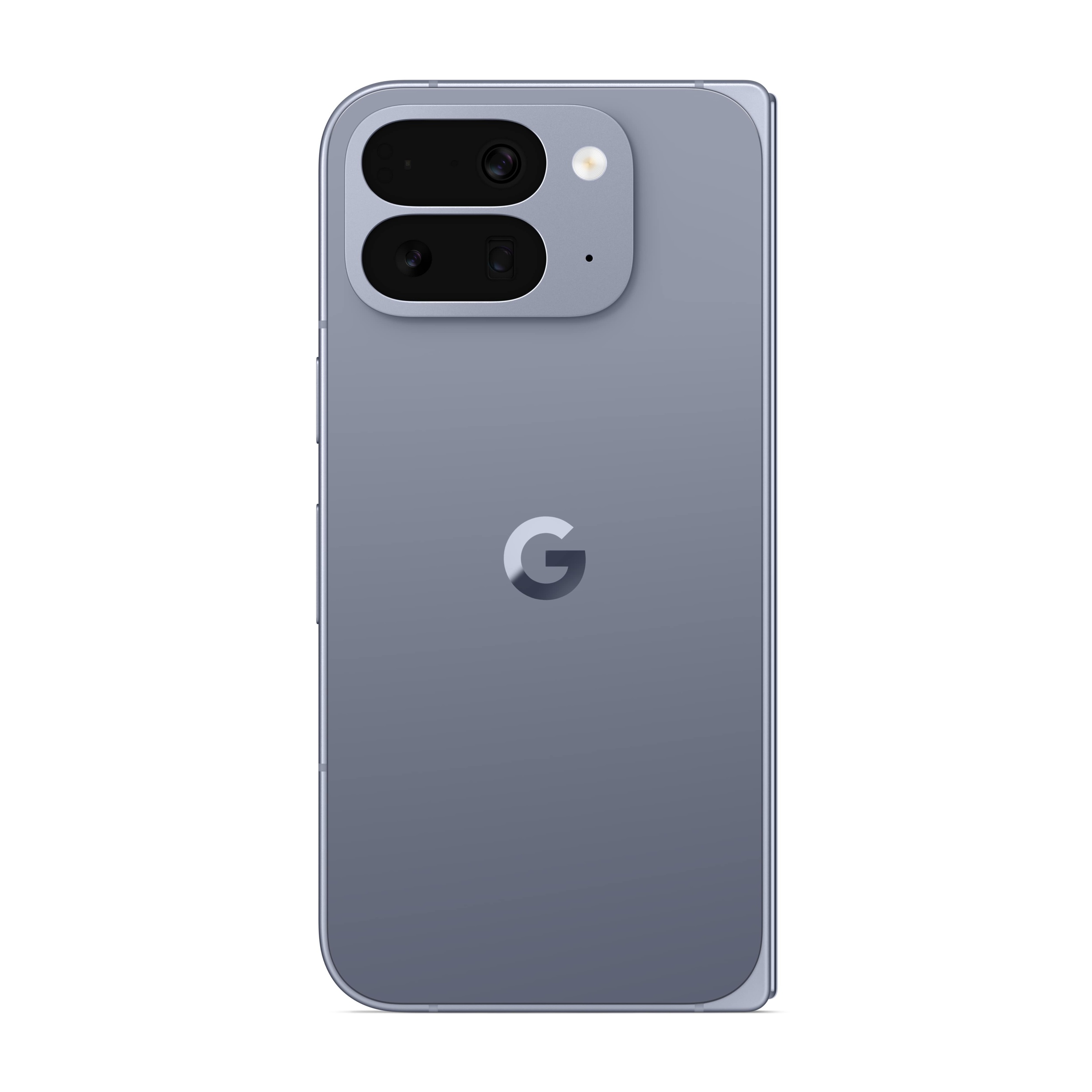
The Pixel 10 Pro Fold doesn't have the best internals, and it's heavier than other foldables. That said, you get the best software, and if that's something you care about more than the hardware, I think you'll like what Google has to offer.