The Muse 300 is a desktop DAC that's unlike anything I used before
Most DACs largely look the same and don't really stand out in anything other than their tonal characteristics. That's why I enjoy using the Fiio K17 and K19; these DACs don't look like a regular black box, and the styling makes them look great on a desk.
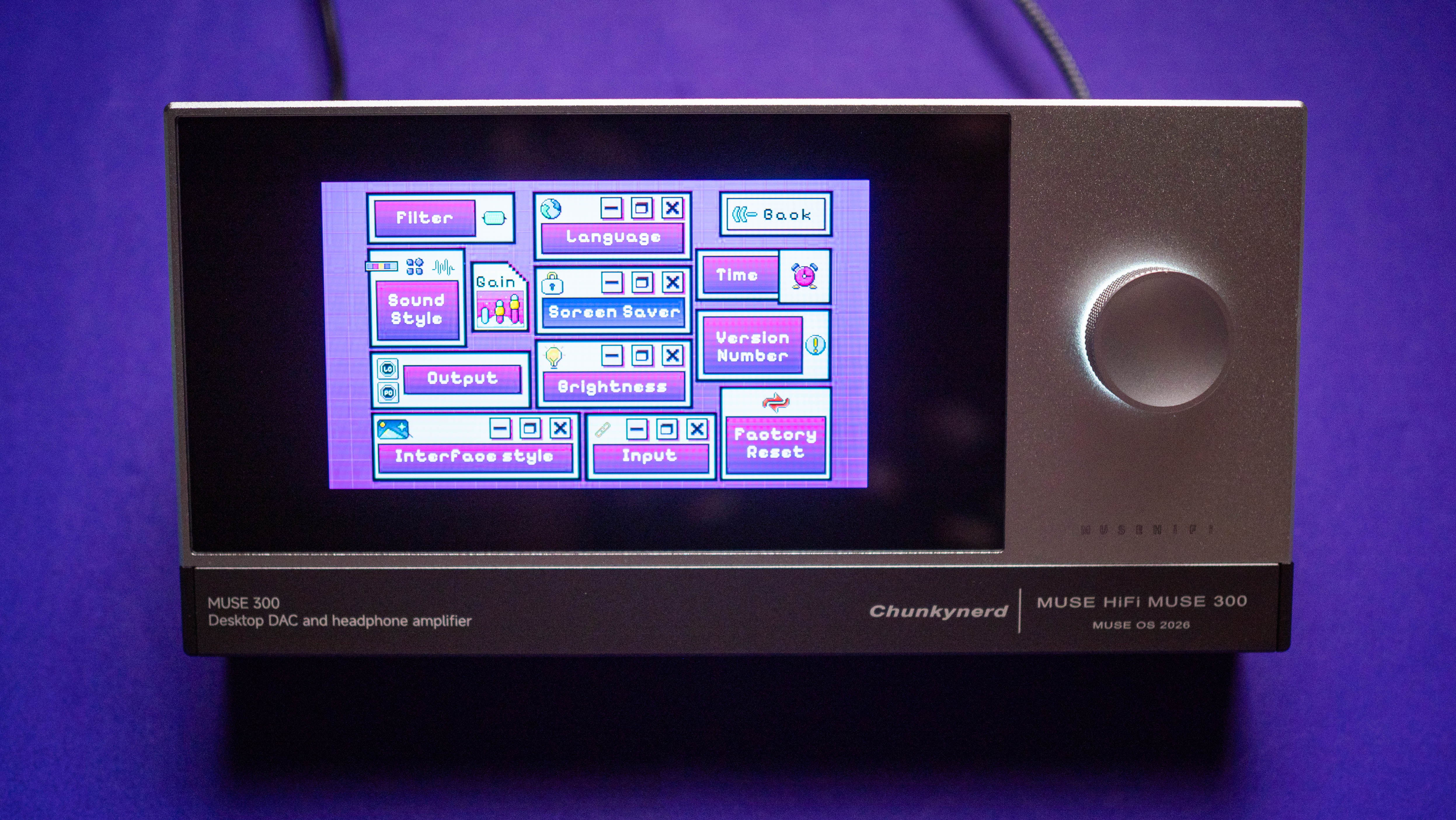
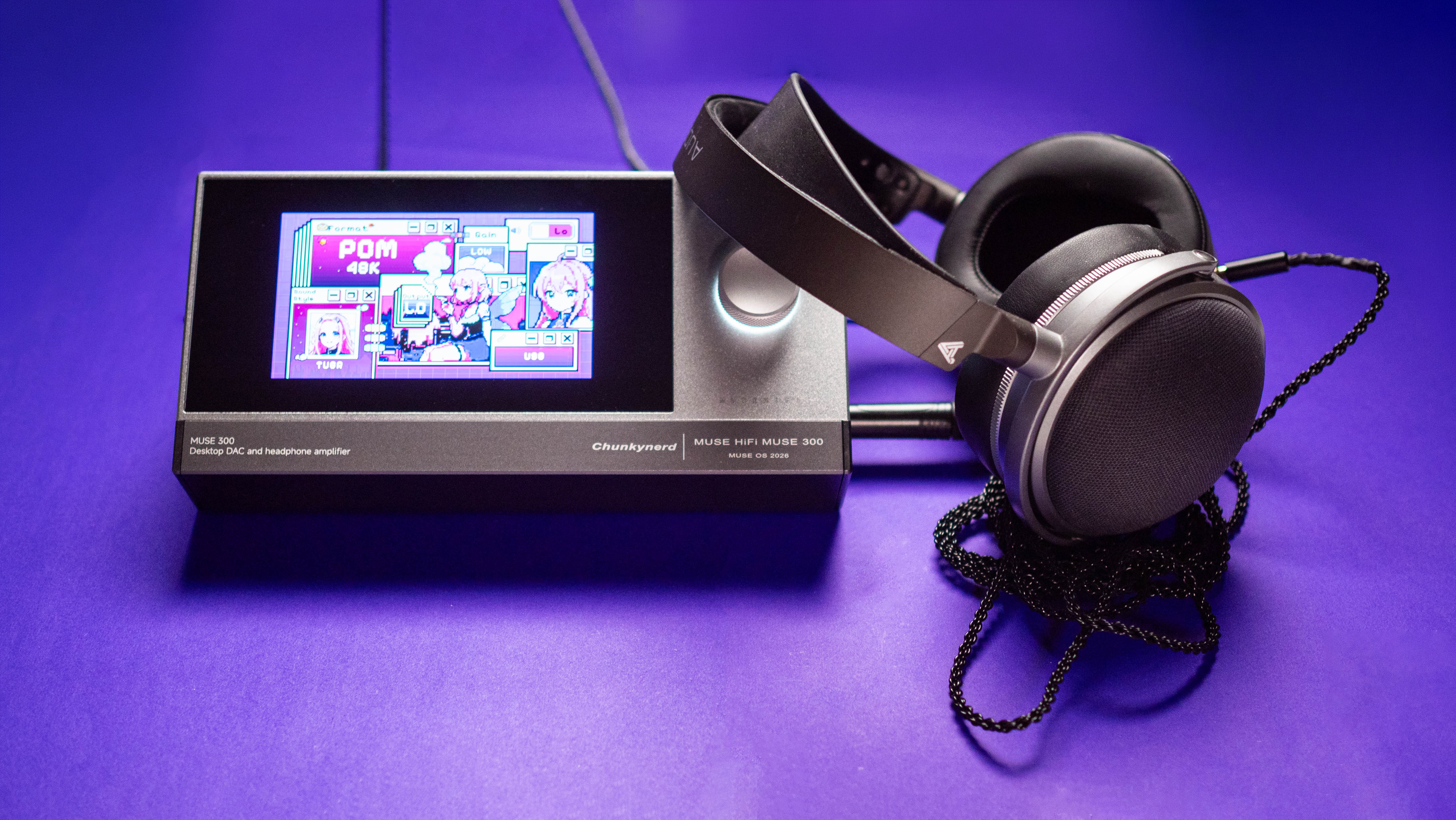
The Muse 300 is now aiming to do the same, but this desktop DAC is taking things to a new level: it has a 5-inch panel, three distinct sound modes, a built-in OS, and a unique UI. Muse HiFi is a recent entrant in this category, and the brand has released six DACs until now. The Muse 300 is its most ambitious effort yet, and it's now being crowdsourced for $379, a $60 discount from its eventual retail price of $439.
 Apoorva Bhardwaj / Android Central
 Apoorva Bhardwaj / Android Central
 Apoorva Bhardwaj / Android Central
 Apoorva Bhardwaj / Android Central
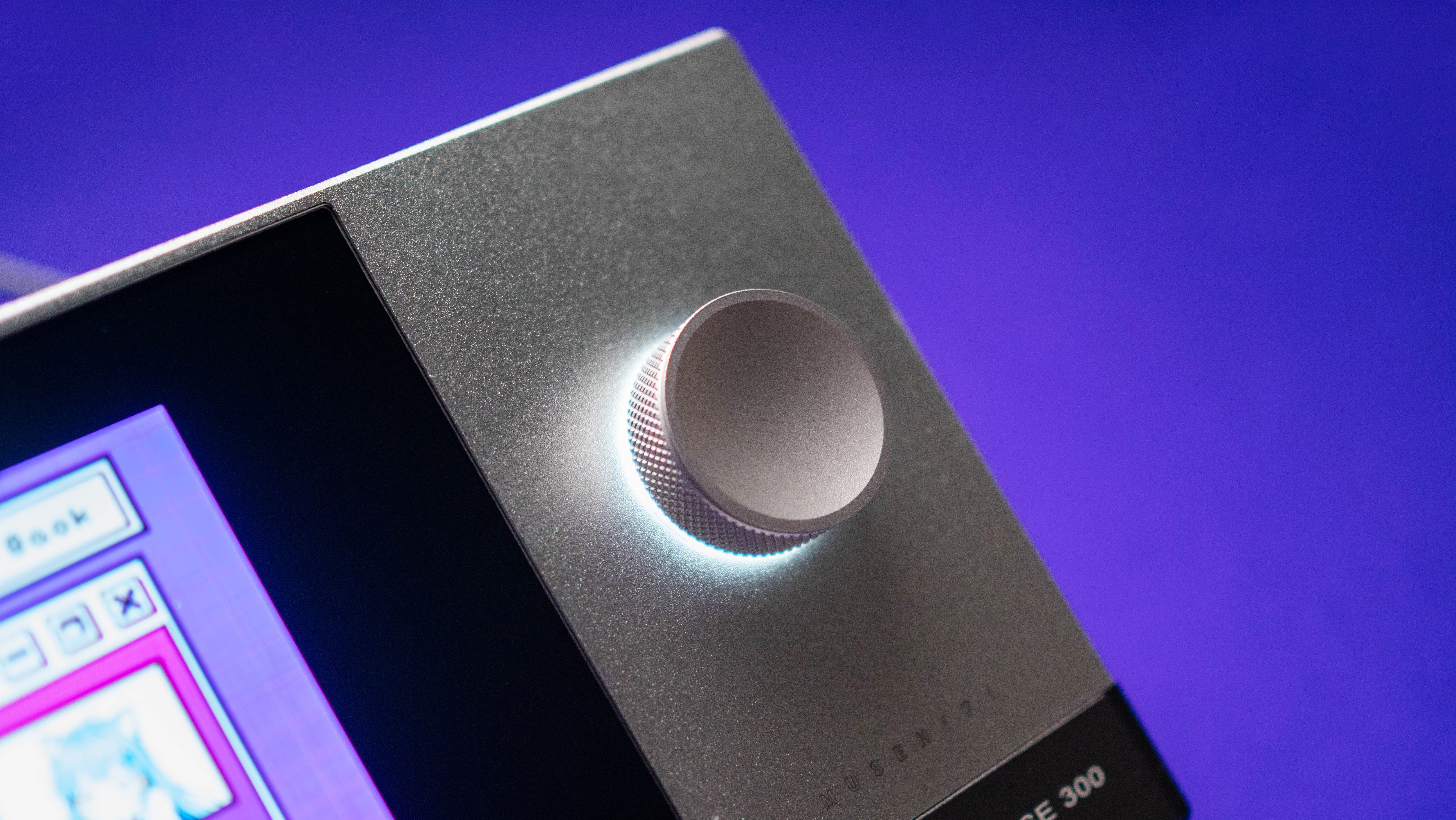
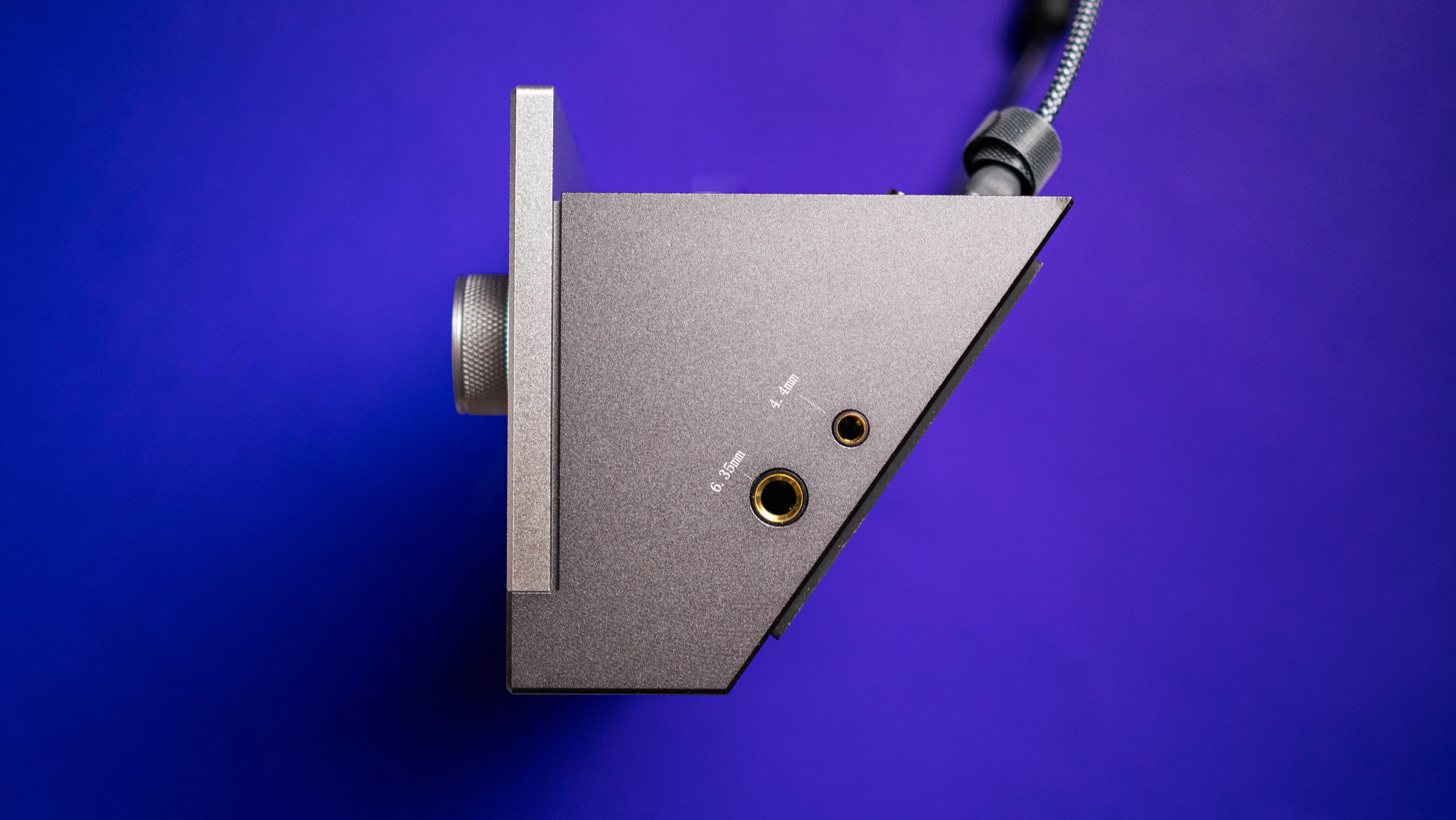
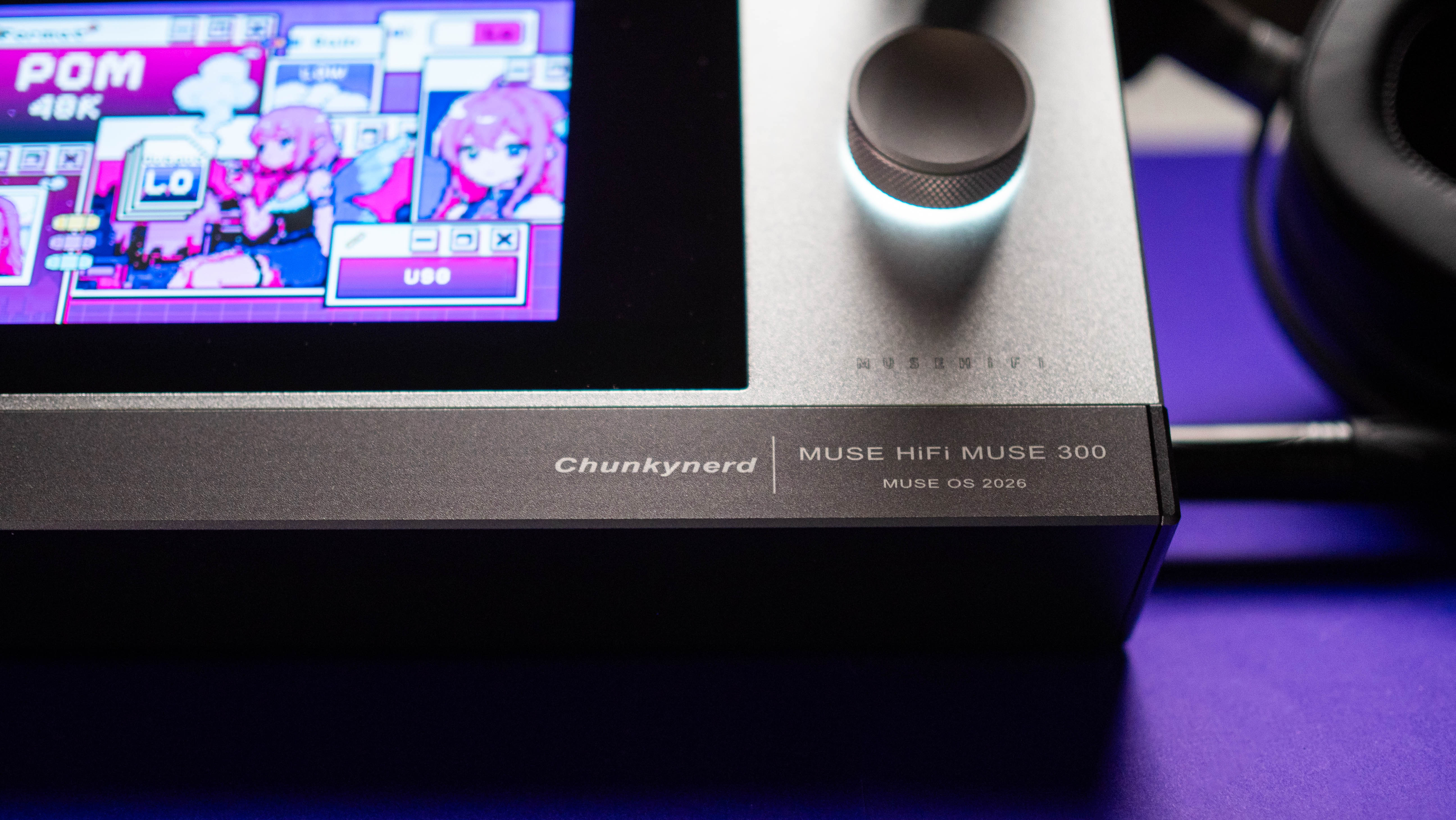
Obviously, design plays a big part here, so let's start there. The Muse 300 is a sizeable chunk of metal, and there's nothing subtle about the angular design - it's meant to stand out. It doesn't look like a DAC at all, and that's because you just have the 5-inch panel and a control knob up front; the 6.3mm and 4.4mm connectors are located to the right. I prefer this design as it lets me plug in a headset and not have the cable jutting out the front, and it looks cleaner on my desk.
The control wheel has built-in lighting, and it has excellent tactility. Honestly, the design and build quality make the Muse 300 feel like a high-end DAC, and it holds its own against the likes of the K19, which costs four times as much.
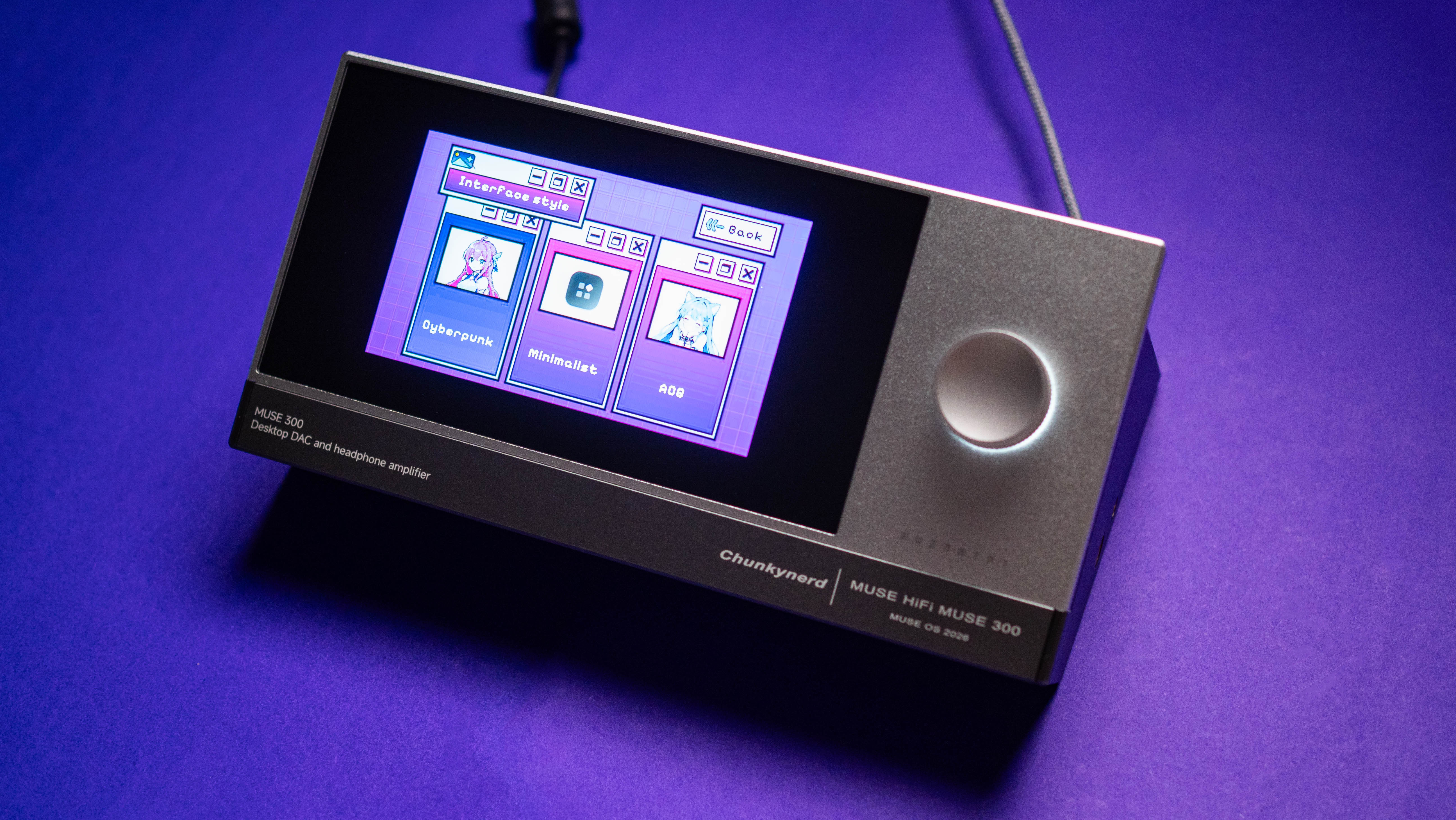
A big selling point for the Muse 300 is the OS, and it enables three distinct audio modes: Balanced, Tube Amplifier, and ACG. The Balanced mode has a neutral soundstage - similar to most DACs - and the Tube Amplifier mode switches to a warm profile that's great for casual listening. The ACG is a unique addition that leads to a bright sound with fast transients, and it's the one I'd suggest if you're gaming.
What's unique about the Muse 300 is that it has dedicated physical circuits with each mode instead of just relying on EQ, and it makes a noticeable difference. I tested the DAC with the Meze 99 Classics v2, Audeze LCD-S20, and the MM-500.
 Apoorva Bhardwaj / Android Central
 Apoorva Bhardwaj / Android Central
 Apoorva Bhardwaj / Android Central
The Balanced mode is the one I used for analytical testing, and the Muse 300 proved its worth by delivering a clean sound with great dynamics. It allowed the MM-500 to shine, but it's the Tube Amplifier that I enjoyed using the most - it just has a warmth and liveliness to the sound that just makes listening to music that much more enjoyable, and it made me want to get a dedicated tube amp. You don't quite get the same amount of definition in this mode, but it is the one that I enjoyed using the most.
The Muse 300 features ESS' ES9039 Ultra DAC chip alongside a Qualcomm QCC3095 Bluetooth 5.4 modem. It does 32-bit/384kHz PCM decoding alongside DSD256, has a 129dB SNR and low distortion of 0.0006% THD+N.
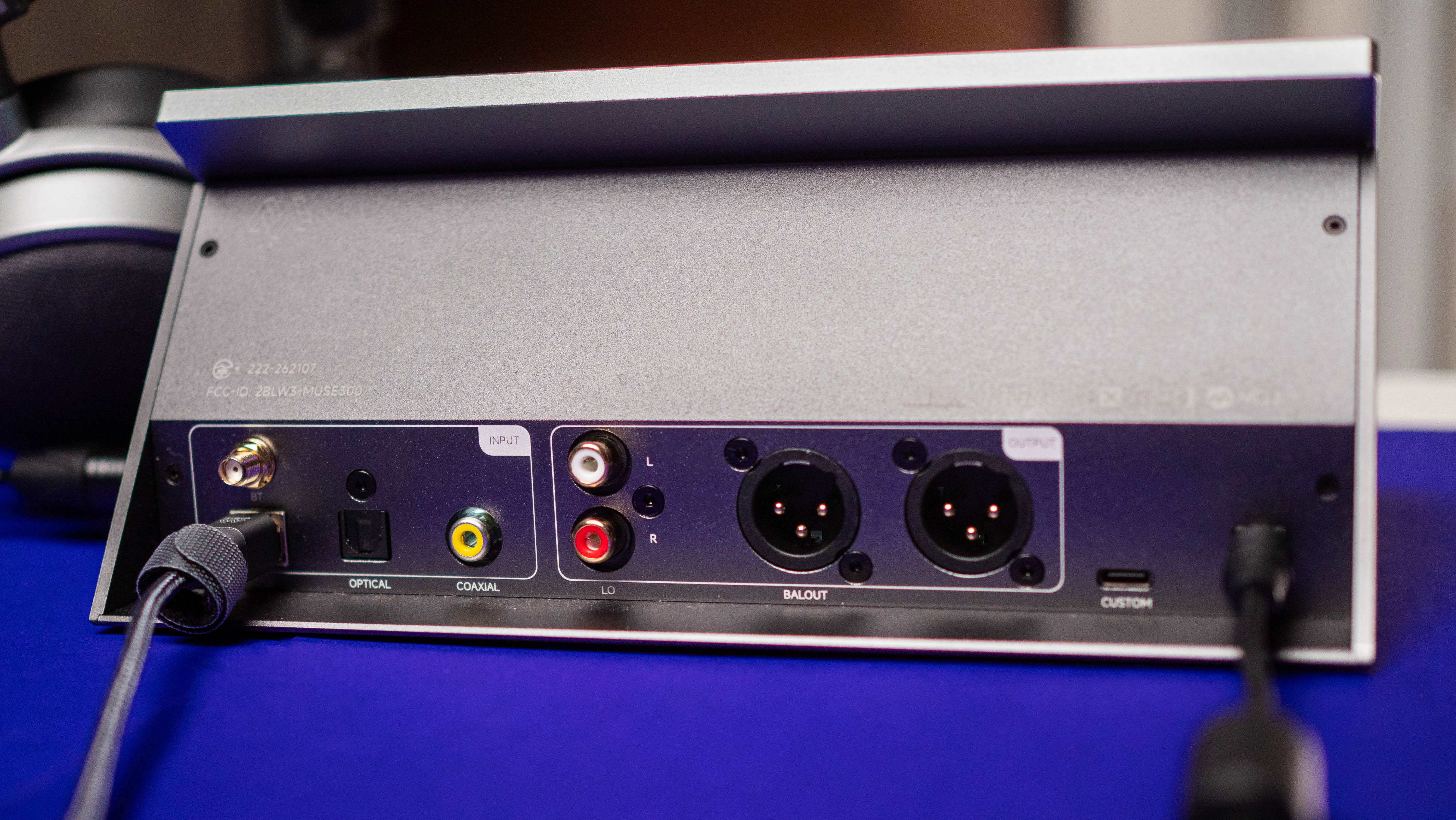
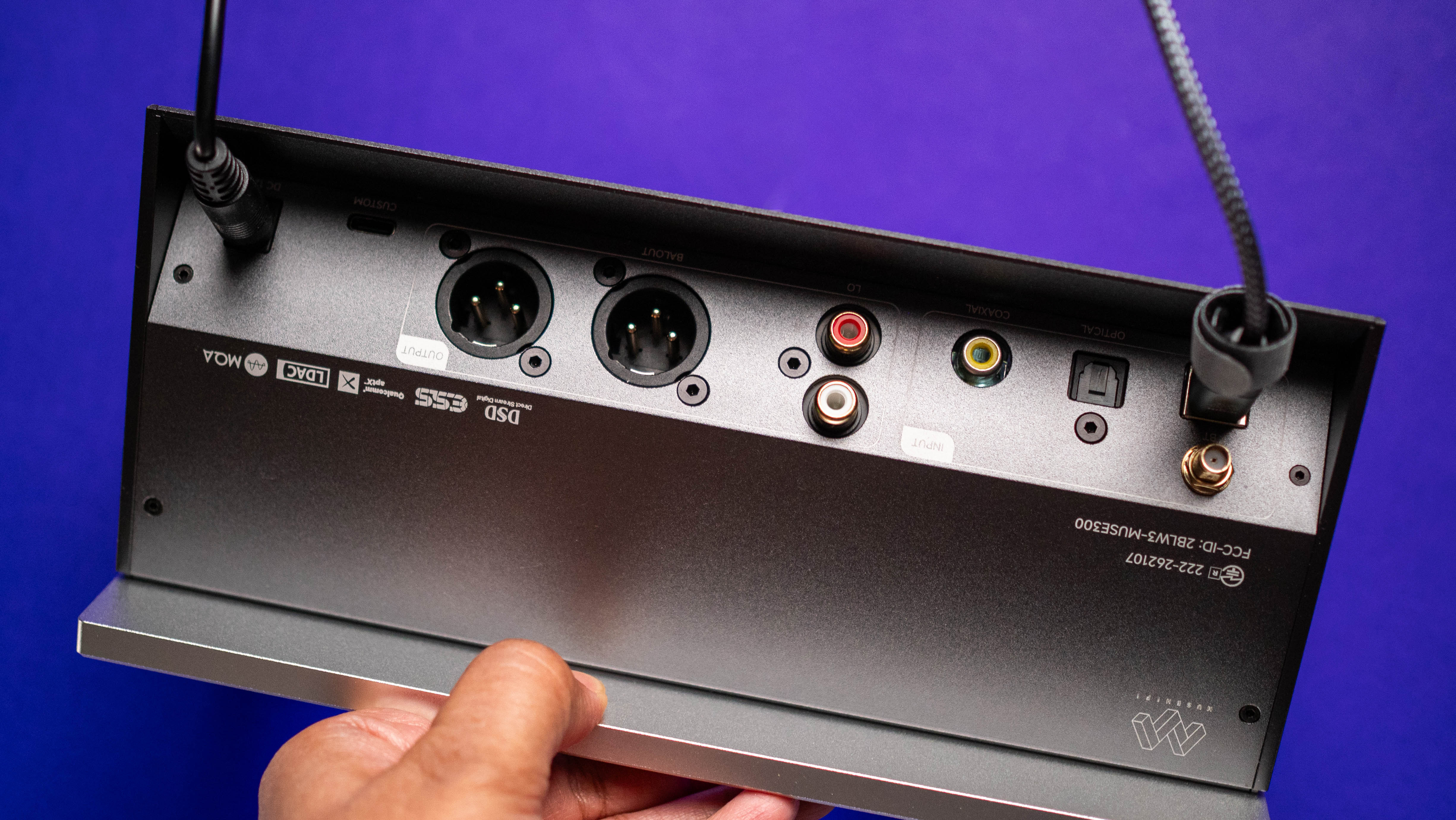
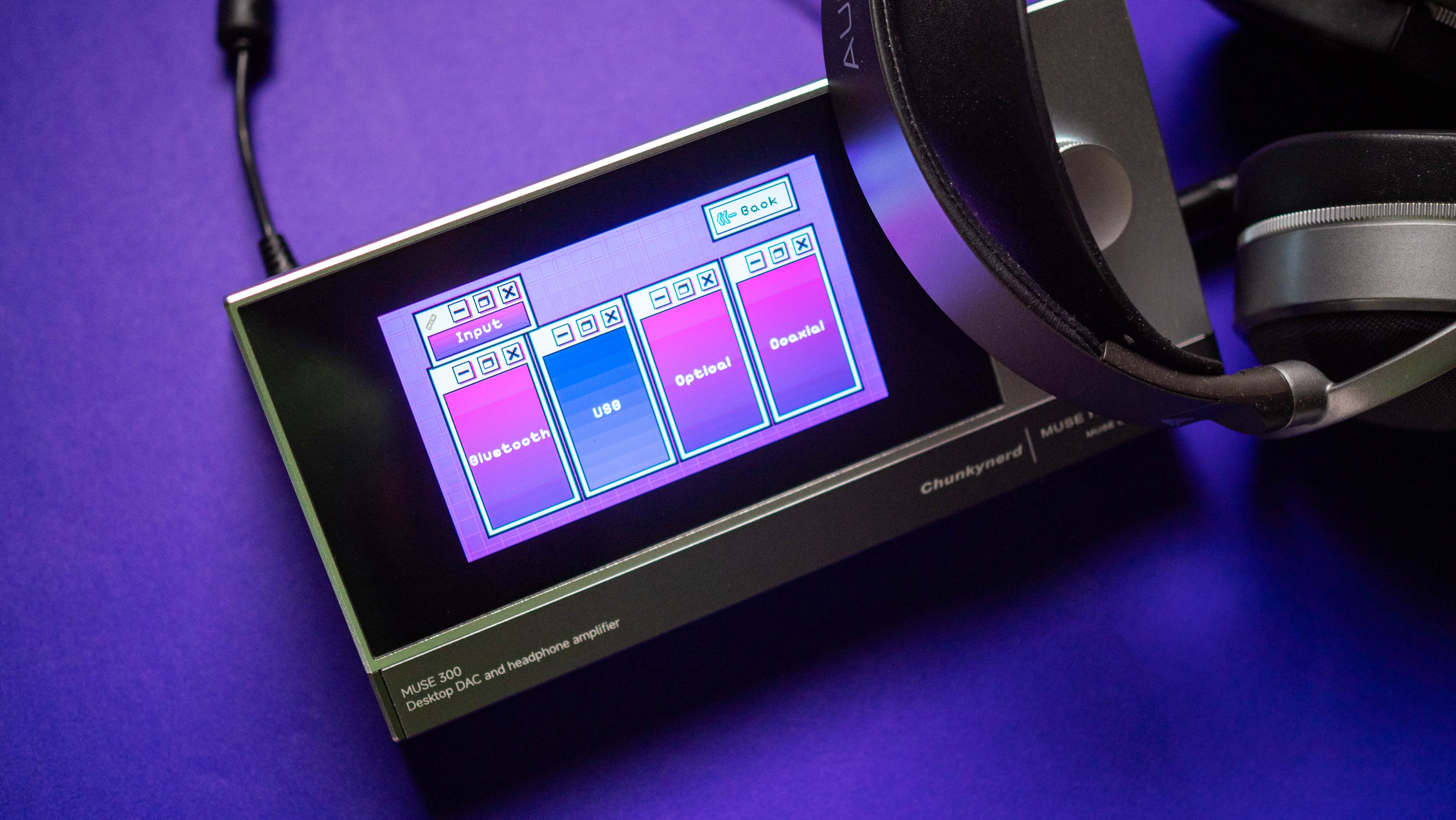
The built-in amp delivers 1.1W of power at 32 ohms via 6.3mm, and 2.2W of power at 32 ohms over the balanced 4.4mm connector. There's good connectivity at the rear, with the DAC offering USB, Bluetooth, optical, and coaxial, in addition to XLR and RCA line out. The only annoyance is that the Muse 300 uses USB-B instead of a standard USB-C port. You'll need an external 12V/5A power brick to drive the DAC, and it's bundled in the box.
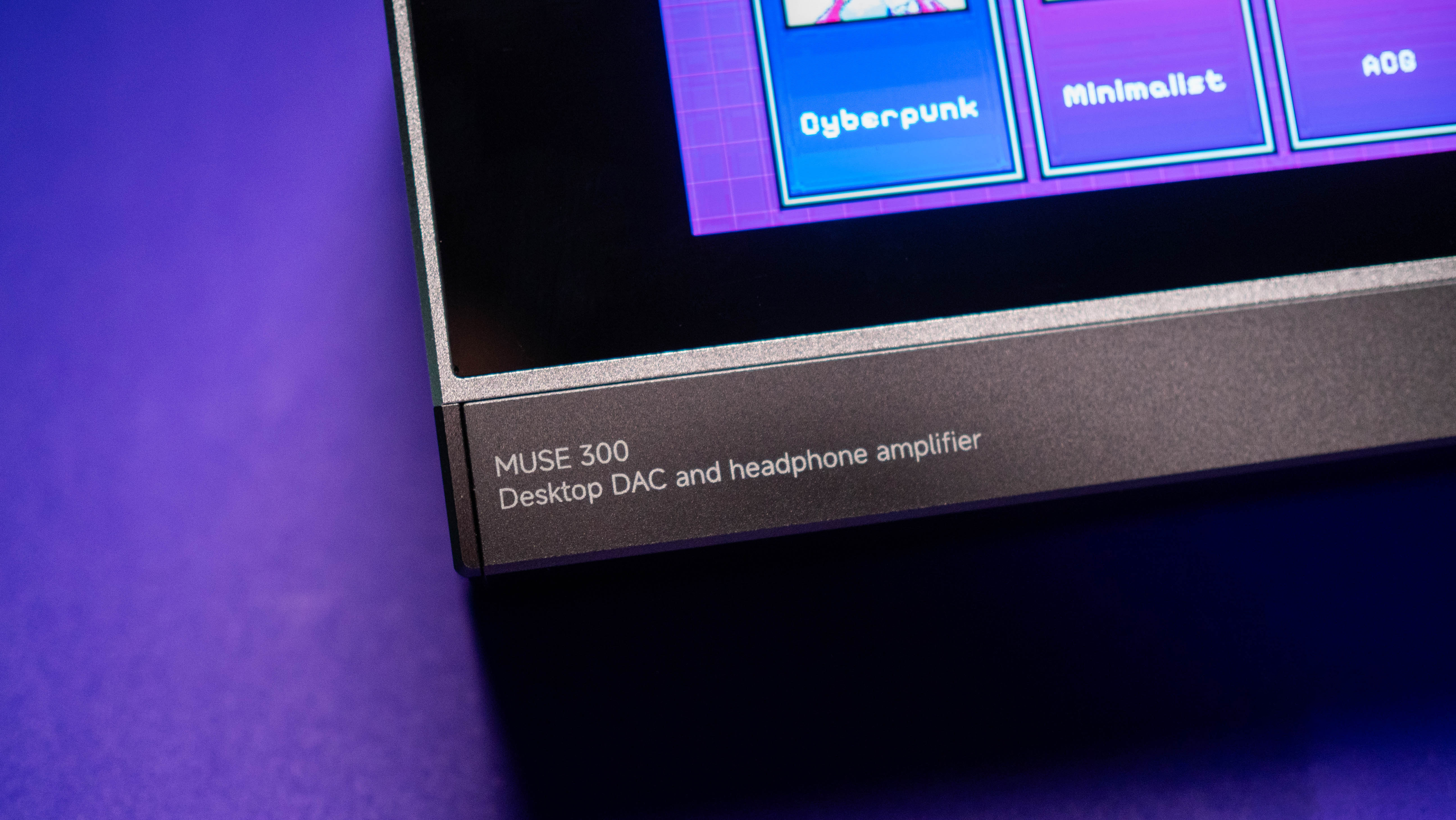
The 5-inch IPS panel has a resolution of 854 x 480, and it's driven by Muse OS. The OS lives on a 32-bit MCU, and is designed exclusively for audio playback and user interface. There's a lot to like in the UI, and while it is barebones, it doesn't have any lag, and you get all the usual settings. It doesn't have any additional features - like the ability to install apps - so you will need to use one of the inputs to play music.
After a month of use, the Muse 300 proved to be a revelation. It has the design and build quality of a high-end DAC, and it's clear that Muse HiFi paid a lot of attention to the tuning of the sound with each mode. The idea of Muse OS is interesting in its own right, and I want to see how it evolves over the years. The DAC has enough power to drive demanding headsets, and on the whole, it's a great all-round choice in the sub-$500 category - I didn't think I would enjoy using the DAC as much as I did.