Data centers forecast to use 20% of US power by 2035 — analysts estimate usage will rocket to 194 gigawatts, 83% more than forecast seven months ago
U.S. data centers are on track to consume about 20% of the nation's electricity by 2035, up from 5.9% today, according to a new BloombergNEF forecast The research firm raised its 2035 demand projection to 194 GW, an 83% increase on the forecast it issued in December, and calculated that even a record pace of grid connections sustained every year for a decade would leave a 19 GW supply shortfall.
Go deeper with TH Premium: AI and data centers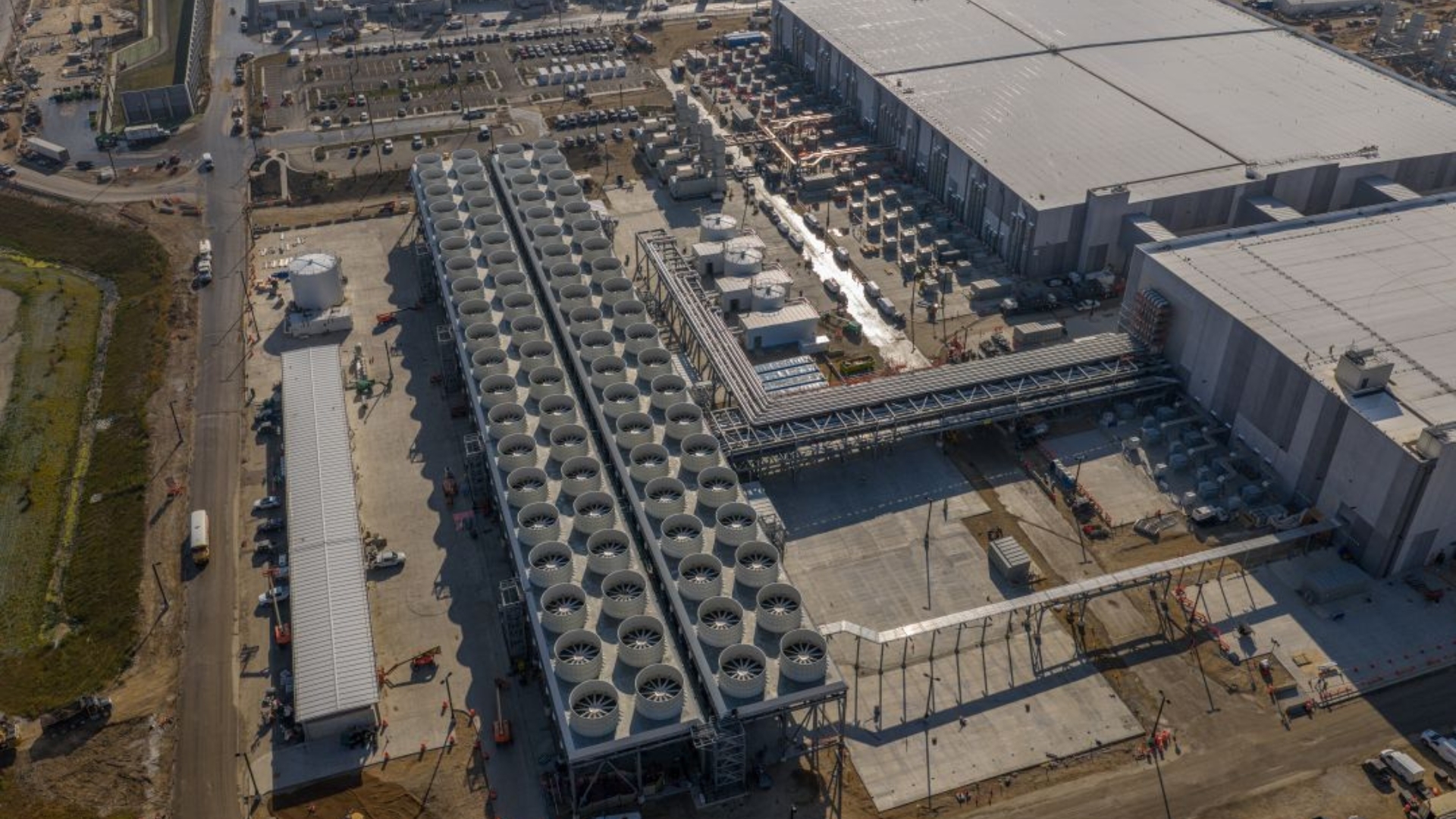
- Photonics and high-speed data movement is the next big AI bottleneck
- The data center cooling state of play
- Massive AI data center buildouts are squeezing energy supplies
- Ultra Ethernet: The data center interconnection of tomorrow
BNEF's December outlook put 2035 demand at 106 GW, and that figure was itself 36% above the projection the firm published in April 2025, which works out to roughly 78 GW. The 2035 number has increased around 2.5 times in 15 months, with the latest jump reflecting the volume of new AI facilities entering the development pipeline rather than capacity actually under construction. Many other forecasters are moving in the same direction, with the electrical industry nonprofit EPRI more than doubling its 2024 estimate and S&P raising its projection by more than a third between October and April.
Nearly half of the projected capacity will serve AI training and inference workloads, and the U.S. is expected to host 64% of the world's AI chips by power demand in 2033. BNEF estimates that data centers will account for around 12% of U.S. electricity consumption in 2030 before reaching 20% five years later, with Virginia and Texas running above the national average. Gartner separately forecast that global data center electricity consumption will grow 26% this year, reaching 565 TWh in 2026.
The most data center capacity ever connected to the U.S. grid in a single year is 7.1 GW, according to the report. Holding that pace through 2035 still produces a 19 GW shortfall under BNEF's base case, even after accounting for on-site gas generation. Lloyd Arnold, a BNEF analyst and one of the report's authors, told Bloomberg that of the output from "every coal plant, every gas plant, every solar farm in the U.S.," one unit of energy in five will go to data centers.
PJM Interconnection, the 13-state grid operator whose territory includes Northern Virginia's data center corridor, will send 34% of its electricity to data centers by 2035, with ERCOT in Texas at 22%, per reporting from TechCrunch. PJM's independent market monitor has already attributed a 75.5% increase in regional power costs directly to data center demand.
Close to half of planned U.S. data center builds this year are projected to be delayed or canceled, with lead times for high-power transformers stretching to as long as five years. BNEF's own December revision was driven primarily by early-stage projects that entered utility queues to secure power before construction began, so a meaningful share of the pipeline behind the 194 GW figure remains speculative.