Google Pixel 11 Pro Fold vs. Samsung Galaxy Z Fold 8 Ultra: Not as straightforward as you think
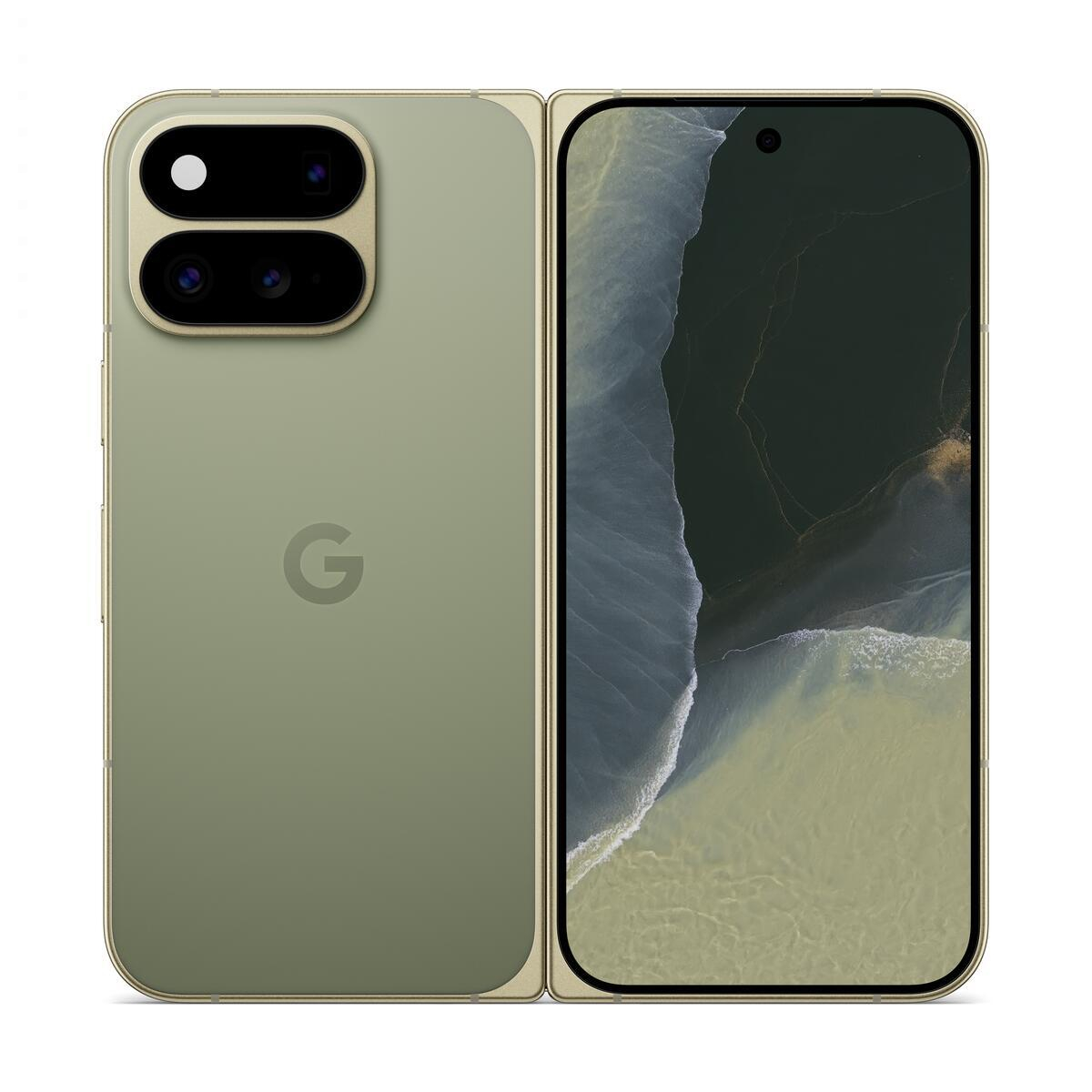
A great choice
The Pixel 11 Pro Fold is built on Gemini Intelligence, and it comes with all the AI-enabled features you'll ever want. It also has a new camera and unique shooting modes, and Google doubled down on unique extras to make it stand out.
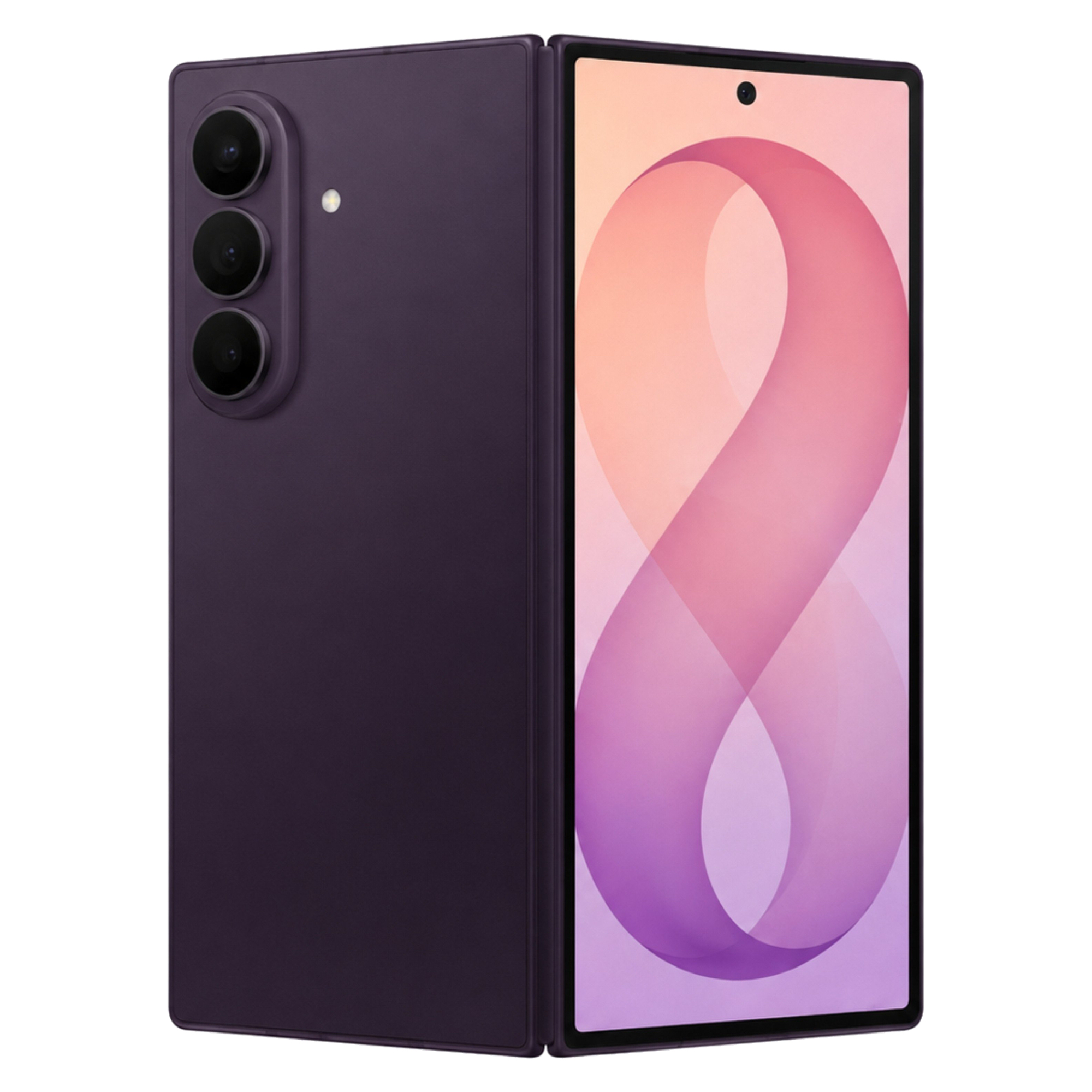
Nothing but the best
With the Galaxy Z Fold 8 Ultra, Samsung proved once again why it is the best at foldables. The Z Fold 8 Ultra is sleeker and thinner than the Pixel 11 Pro Fold while having a bigger battery, you get better cameras, great software features, and useful extras.
Google Pixel 11 Pro Fold vs. Samsung Galaxy Z Fold 8 Ultra: Pricing and availability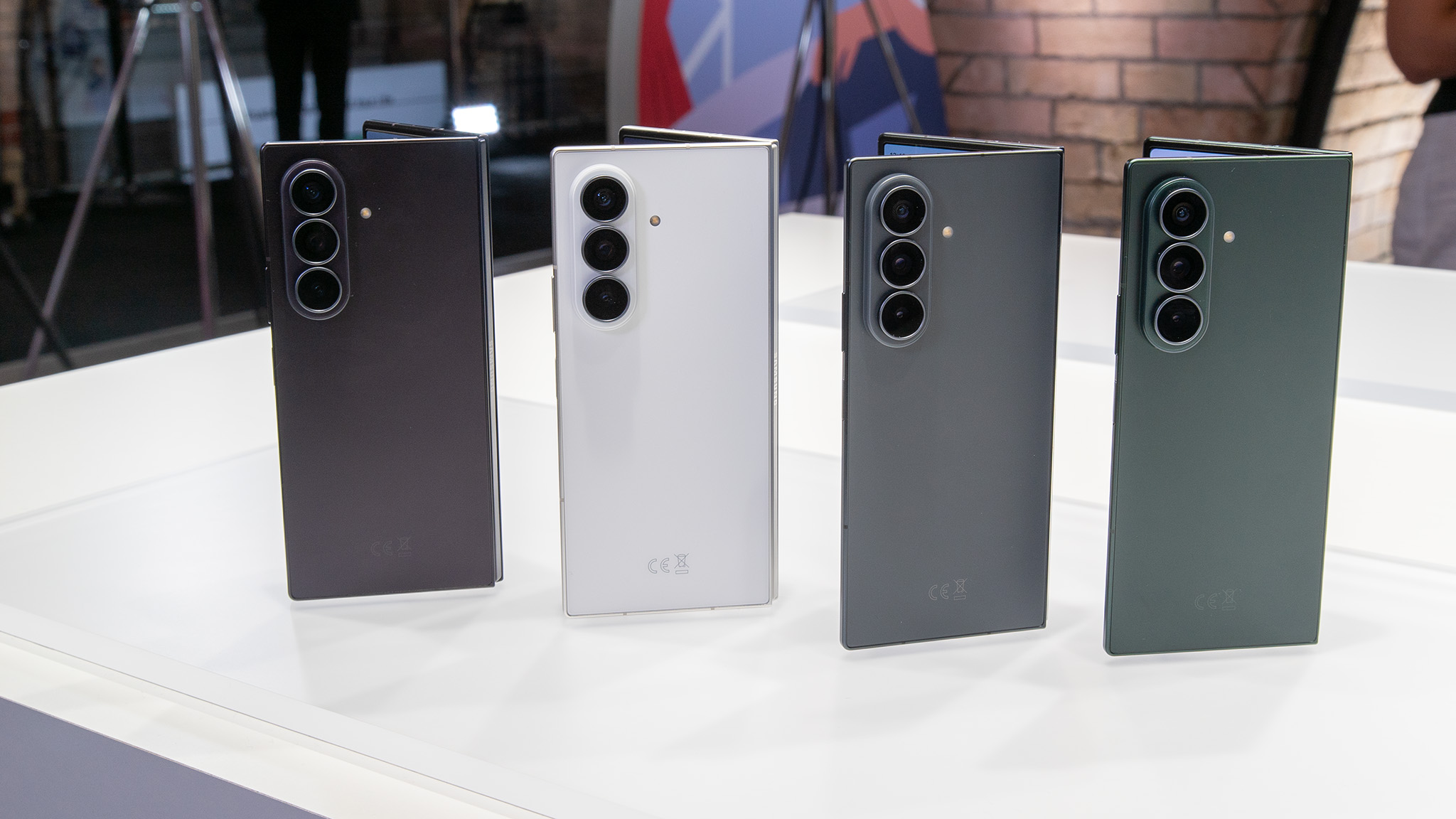
While there are plenty of differences between these two foldables, the one area where they're similar is the pricing. The Pixel 11 Pro Fold starts at $1,899, and the Galaxy Z Fold 8 Ultra costs the same for the 256GB model. Both foldables are available with up to 1TB of storage, and come with decent trade-in offers if you're in the U.S.
Google Pixel 11 Pro Fold vs. Samsung Galaxy Z Fold 8 Ultra: Design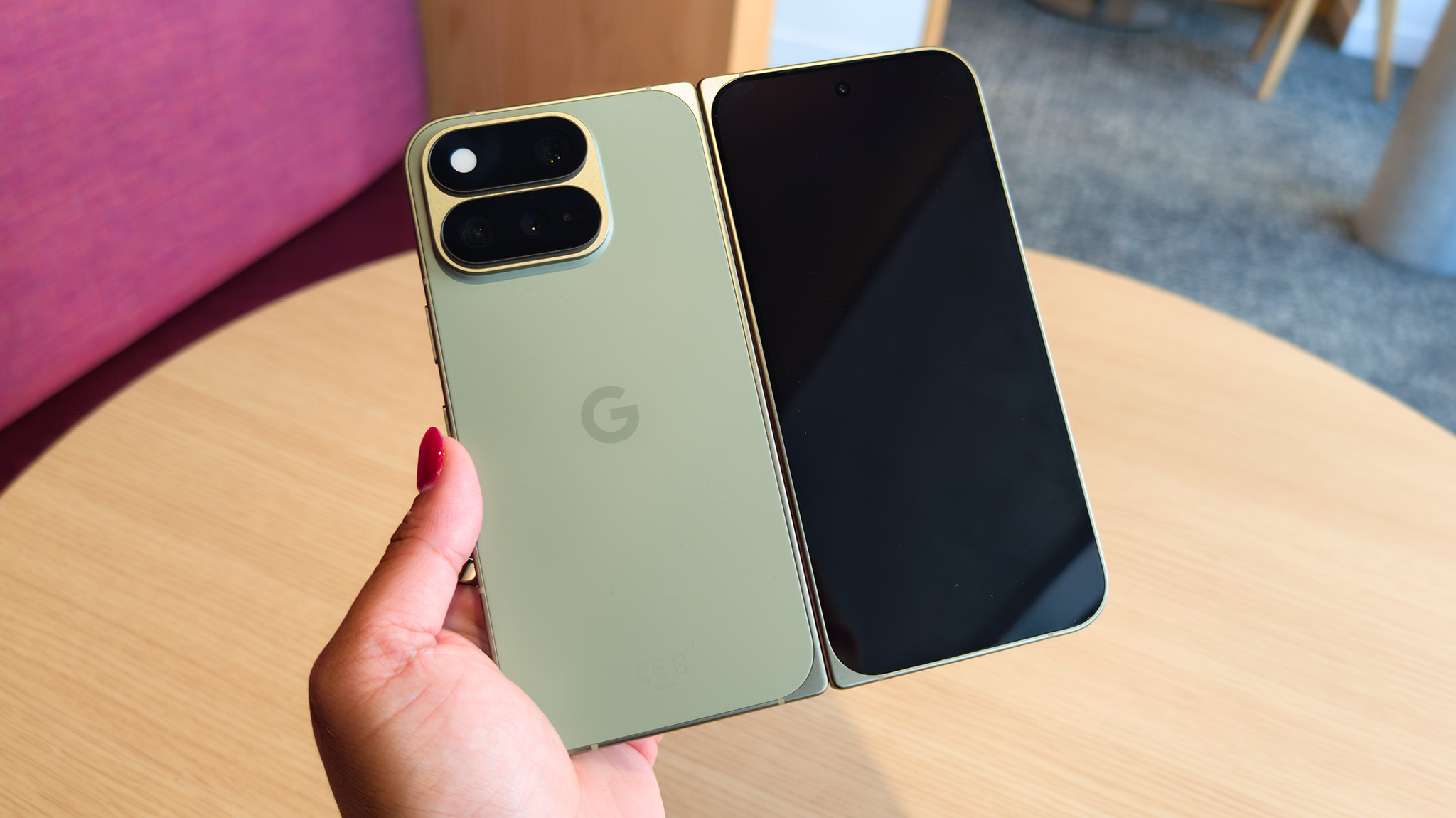
Both brands have their own visual identity, and that's reflected in their latest foldables. The Pixel 11 Pro Fold looks nearly identical to its predecessor, and other than a slightly redesign around the rear camera island, the design is unchanged.
The Galaxy Z Fold 8 Ultra shares a lot of similarities with last year's Z Fold 7, and that's a good thing. It's also 23g lighter than the Pixel 11 Pro Fold at 215g, and that makes a difference. And at just 8.9mm folded, it is a lot thinner than the Pixel 11 Pro Fold's 10.1mm. Clearly, Samsung has the advantage when it comes to quantifiable metrics, but I prefer the in-hand feel of the Pixel; Google's foldable has a rounded design that nestles better in the hand, and I like the design a little better.
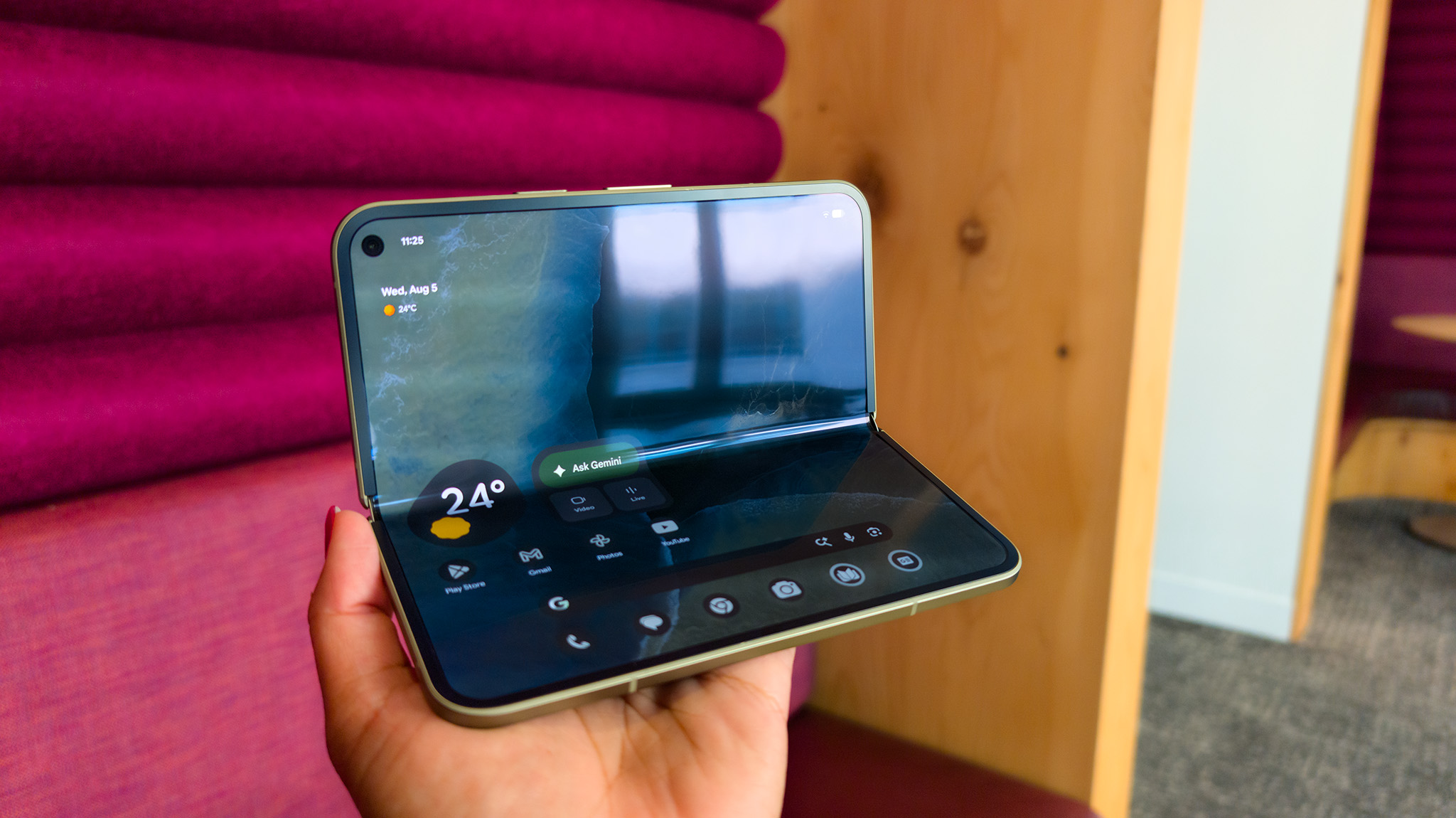
Both foldables have 6.5-inch OLED outer panels and 8-inch OLED inner panels, and they have the same 120Hz refresh. I'll need to do qualitative testing, but the Pixel 11 Pro Fold should be brighter in real-world usage - this was the case last year as well. Both phones have a crease that isn't noticeable, and neither is quite as good as the Find N6 at this.
Google also wins when it comes to ingress protection; the Pixel 11 Pro Fold gets IP68 dust and water resistance, while the Z Fold 8 Ultra is IP48. I'm guessing the added resilience contributed to the increase in weight.
Google Pixel 11 Pro Fold vs. Samsung Galaxy Z Fold 8 Ultra: Hardware and cameras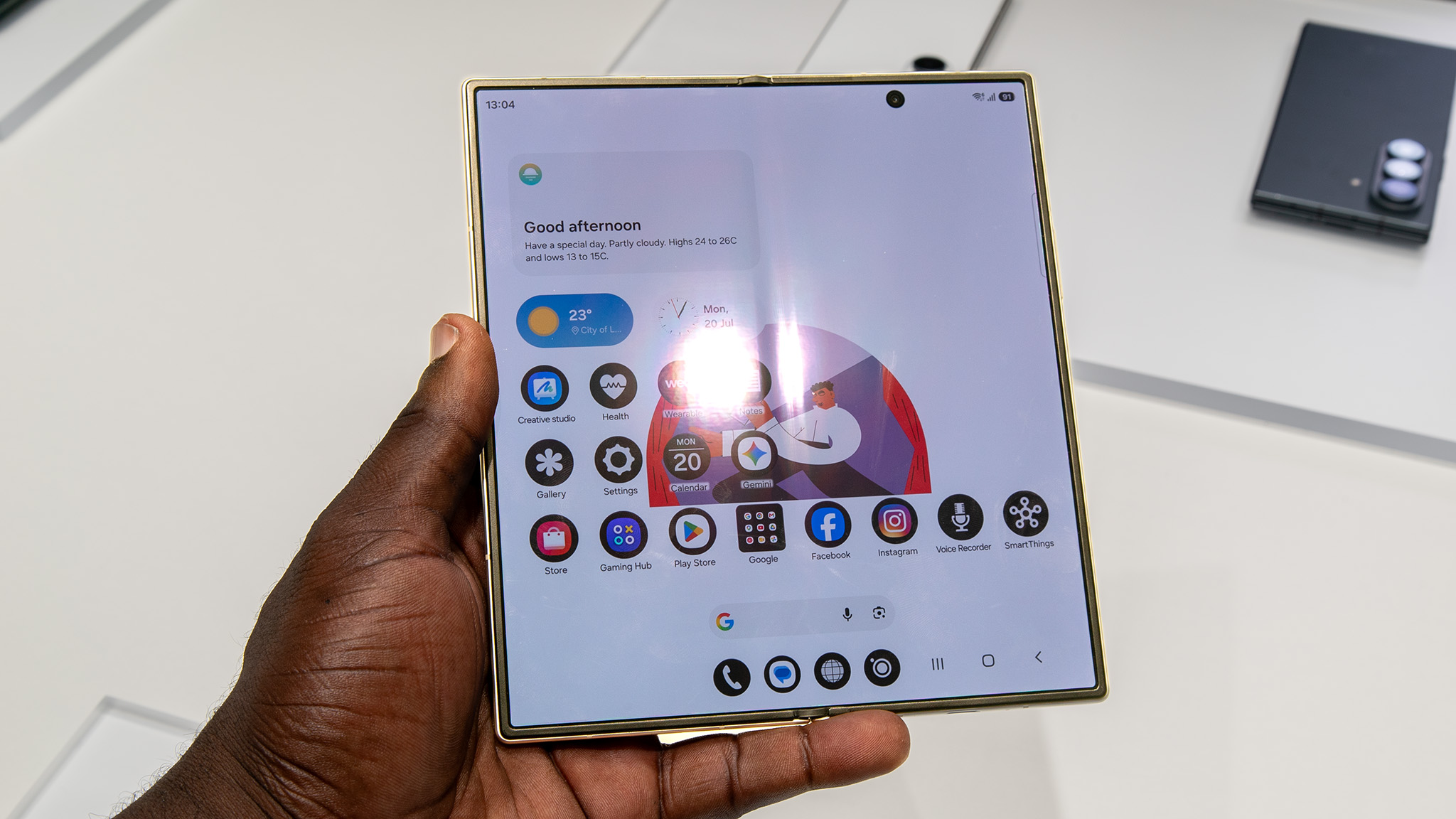
Like previous years, Samsung absolutely dominates the hardware side of things. Thanks to a bigger 5,000mAh battery, the Galaxy Z Fold 8 Ultra manages to last a day without issues. Google put a smaller 4,750mAh battery in the Pixel 11 Pro Fold, and I still don't understand why it did that - a bigger battery is always preferable.
There's also the small matter of the Galaxy Z Fold 8 Ultra being faster than the Pixel 11 Pro Fold, and even though Google went with the Tensor G6 this year, it isn't quite on the same level as Qualcomm's best silicon.
Category | Google Pixel 11 Pro Fold | Samsung Galaxy Z Fold 8 Ultra |
Display | Outer: 6.5-inch OLED, 120Hz, 3600 nits Inner: 8.0-inch OLED, 120Hz, 3600 nits | Outer: 6.5-inch AMOLED, 120Hz, 3000 nits Inner: 8.0-inch AMOLED, 120Hz, 3000 nits |
Operating System | Android 17, seven years of software updates | Android 17, seven years of software updates |
Chipset | Google Tensor G6, 2nm TSMC | Qualcomm Snapdragon 8 Elite Gen 5, 3nm TSMC |
RAM | 16GB | 12GB/16GB |
Storage | 256GB/512GB/1TB | 256GB/512GB/1TB |
Rear cameras | Main: 48MP f/1.7, OIS Tele: 10.8MP f/3.1, OIS, 5x zoom Wide: 10.5MP f/2.2 | Main: 200MP f/1.7, OIS Tele: 10MP f/2.4, OIS, 3x zoom Wide: 50MP f/1.9 |
Front camera | Outer: 10MP f/2.2 Inner: 10MP f/2.2 | Outer: 10MP f/2.2 Inner: 10MP f/2.2 |
Battery | 4,750mAh | 5,000mAh silicon-carbon |
Charging | 30W wired, PPS 25W Qi 2.2 Pixelsnap wireless | 45W wired, PPS 20W Qi 2.2 wireless |
Connectivity | Wi-Fi 7, Bluetooth 6, NFC, Dual-band GPS, 5G mmWave (NA only), 5G Sub-6 (global) | Wi-Fi 7, Bluetooth 6, NFC, Dual-band GPS, 5G mmWave (NA only), 5G Sub-6 (global), AptX HD |
Ingress protection | IP68 dust and water resistance | IP48 dust and water resistance |
Dimensions (folded) | 155.2 x 76.0 x 10.1mm | 158.4 x 72.8 x 8.9mm |
Dimensions (unfolded) | 155.2 x 150.4 x 5.0mm | 158.4 x 143.2 x 4.1mm |
Weight | 239g | 215g |
Colors | Olive, Obsidian | Violet Shadow, Cream, Grey |
Samsung arguably has better cameras; the 200MP main camera on the Galaxy Z Fold 8 Ultra stands out, and is one of the best you can get on a foldable today. Google is using a new 48MP camera on the Pixel 11 Pro Fold (thankfully), and it's safe to say that it will be much better than what we got in the last two years.
That said, Google hasn't changed the auxiliary sensors, and Samsung has a distinct advantage. Google is touting unique features like Magic Capture and Camera Looks to differentiate its cameras, and I'll test how the foldable holds up against the Galaxy Z Fold 8 Ultra and Find N6 soon.
Google Pixel 11 Pro Fold vs. Samsung Galaxy Z Fold 8 Ultra: Software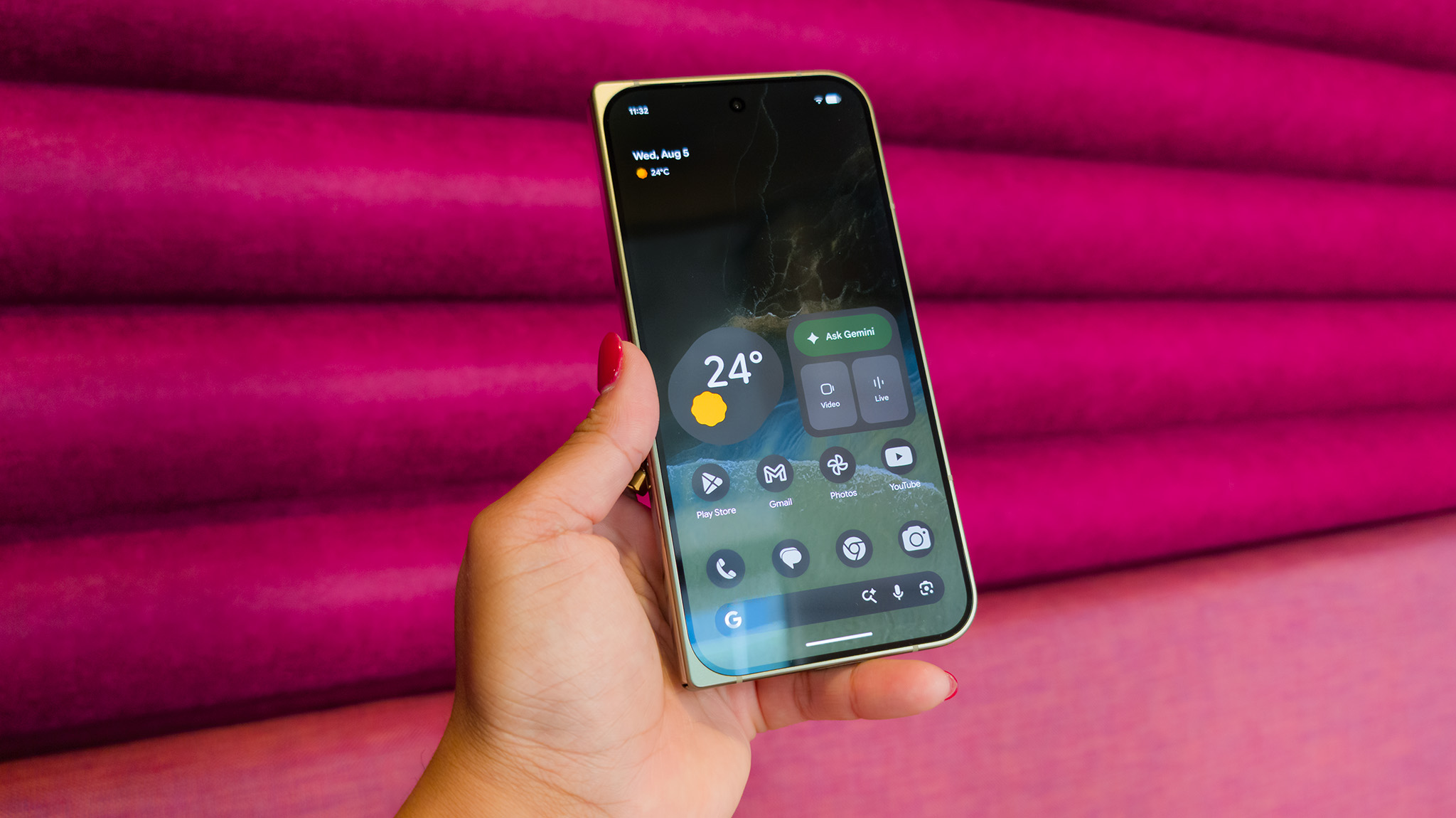
Google always had the edge with software, and that isn't changing. The Pixel 11 Pro Fold debuts with Gemini Intelligence, an agentic AI that handles mundane tasks on your behalf. I'll have to use it to see if it's any good at doing so, but when it comes to on-device AI, there isn't another brand that can measure up to what Google is doing.
Samsung has its own suite of Galaxy AI features, and they're great in their own right. One UI 9 based on Android 17 also has a lot to like, but I prefer Google's take on software.
Google Pixel 11 Pro Fold vs. Samsung Galaxy Z Fold 8 Ultra: Which should you buy?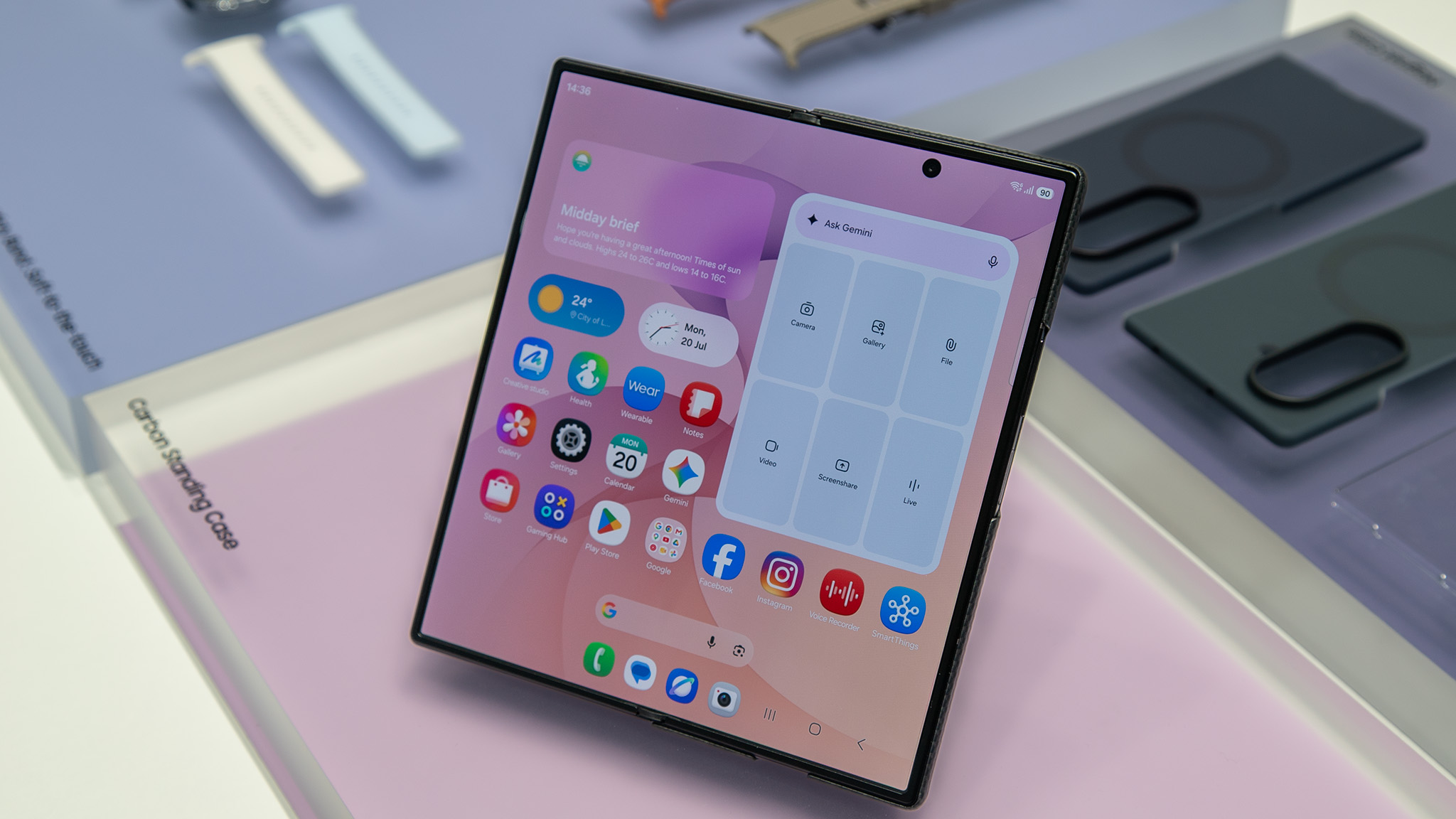
Samsung continues to lead the way in foldable tech, and the Galaxy Z Fold 8 Ultra is a grand showcase. It has better battery life, cameras, and a sleeker design, and is the safe bet.
The Pixel 11 Pro Fold may not look like it, but it is a good all-rounder too, and it's the one I'd want to use even if it doesn't have the best cameras or class-leading battery.
A great choice
The Pixel 11 Pro Fold is a good choice if you like Google's software efforts and want to use Gemini Intelligence. It may not have the best hardware, but it holds up much better than its specs would suggest.
Nothing but the best
Samsung nailed it with the Galaxy Z Fold 8 Ultra, and this is the best foldable you can buy in the U.S. It has a svelte design, big battery, great cameras, vibrant AMOLED panels inside and out, a new hinge that doesn't have a noticeable crease, and one of the best software interfaces around.