32GB of DDR5 6000 RAM now costs $400 — the latest price hike puts DIY PC building further out of reach than ever before
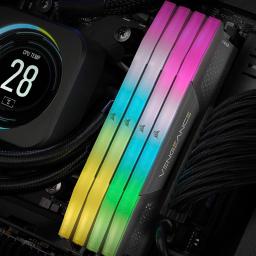
When it comes to building a gaming PC, DDR5 RAM clocked at speeds of 6,000 MT/s is often touted as the sweet spot for specs. While slower and faster speeds are available, it's very much the benchmark for both price and performance, which is why it's noteworthy that this particular configuration now costs $400, a more than 400% increase from the low prices we've seen in the past.
In addition to our ongoing RAM price tracking, we perform daily spot checks on pricing for discounts or deals for 32GB (2x16GB) of DDR5 RAM, given its aforementioned significance as the "benchmark" when it comes to capacity. In recent weeks, the price of 32GB DDR5 6000 RAM has been creeping ever closer to that unfortunate $400 milestone, and in the last few hours we've just crossed the threshold. That's not to say that prices might fluctuate back down in a day or two, but generally the traffic is only moving in one direction.
You can buy 32GB of DDR5 RAM at slower speeds for less - this Corsair Vengeance DDR5 4800 is "just" $359 - but good RAM is now harder (and more expensive) to come by than ever before.
According to data from PCPartPicker, this particular 32GB DDR5 6000 kit from Corsair has been as little as $80 in years gone by at Newegg, marking a full 400% price increase on the lowest we've ever seen on this model.
RAM prices elsewhere have climbed by as much as 500%, with 128GB of DDR5 now costing $3,399 in stores. The causes of the PC component crisis are numerous and well-documented. AI buildouts are consuming much of the world's NAND and flash manufacturing capacity, which is having a knock-on effect for consumer production. Famously, Micron even wound up its consumer brand Crucial in favor of serving more enterprise customers.
All signs point to the memory shortage, and thereby pricing, getting worse in the coming months. As such, bundles and pre-built PCs remain one of the only ways to insulate yourself from cost increases if you're in the market for new hardware. As mentioned, slower memory speeds are available at lower prices, but compromising for 4,800 MT/s RAM to save $40 when building a PC is an extremely tough state of affairs.