SpaceX starts in-house turbine blade manufacturing to boost gas-powered generator output for Elon's AI data centers — new manufacturing strategy cuts generator delays by 18 months
Electricity supply in the U.S. is a limiting factor preventing AI data centers from coming online as quickly as possible. Because of this, many projects are turning to portable natural gas turbine generators to get the electricity they need and bypass long wait times to connect to the grid. This has driven demand for turbines, so Elon Musk said on X that SpaceX will bring turbine blade and vane casting in-house.
Go deeper with TH Premium: AI and data centers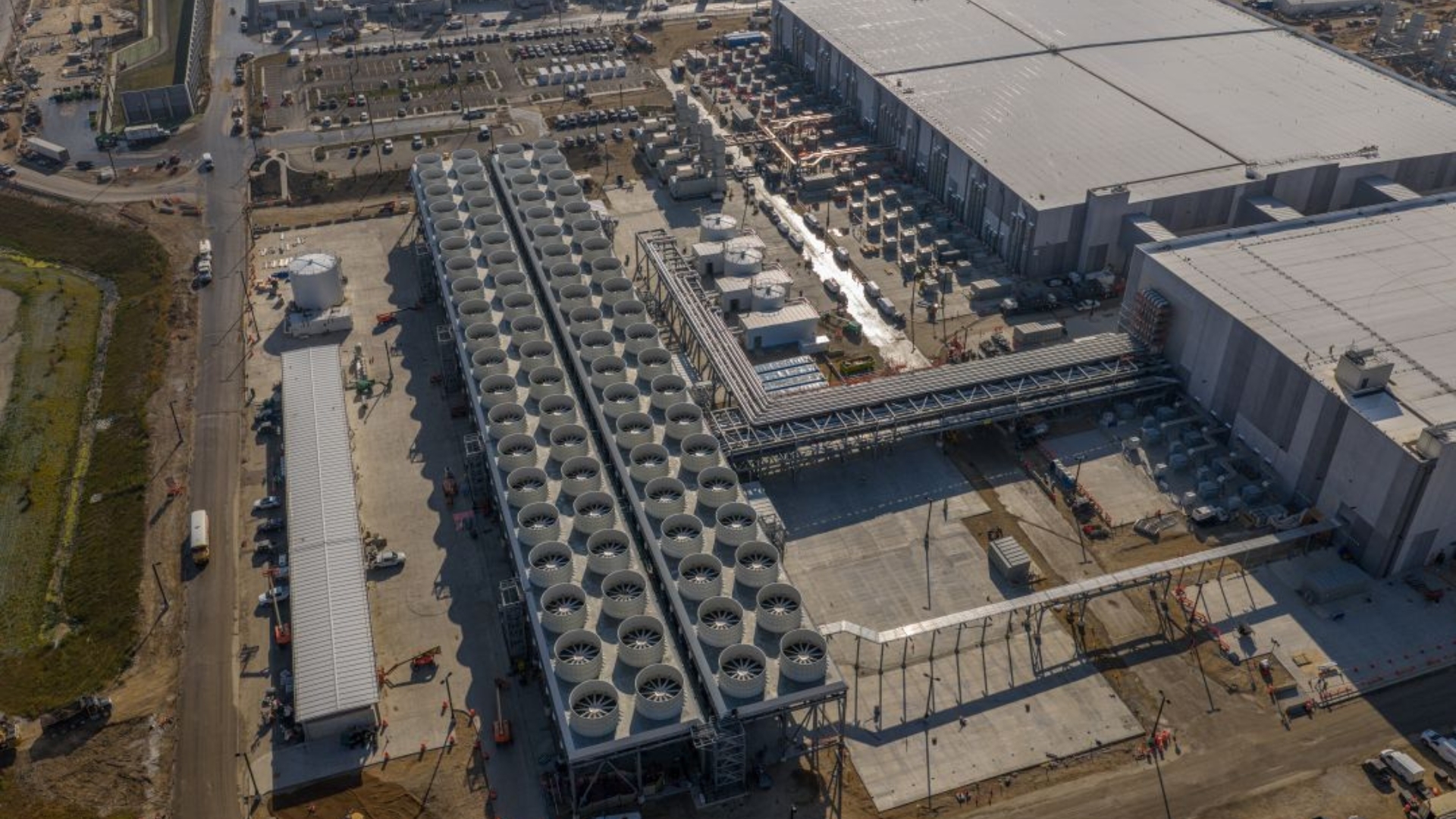
- The data center cooling state of play
- The custom AI ASIC state of play
- America's AI chip rules keep changing - and the rest of the world is paying the price
- GTC 2026: Ian Buck press Q&A transcript - VP of Hyperscale and HPC speaks out on shelving CPX and shipping LPU decode this year
- Demand for data center CPUs has surged, and AI agents are responsible
Musk was one of the first to deploy portable" power generators to power a data center, allowing him to bring the Colossus data center in Memphis, Tennessee, online in record time. Note that these mobile generators aren't small devices - they're massive units about the size of one trailer and may also include another trailer or two of other necessary parts and accessories to run it (not including the tank needed for its fuel). OpenAI followed suit a few months later, announcing it will deploy turbines at the first Stargate data center to deliver additional power.
This sudden influx of demand has led to jet engine shortages for data center operators. Beyond the fact that engine manufacturers weren't prepared for the AI boom, commercial aviation has already been suffering from its own shortages due to supply chain and engine design issues even before data center developers started buying up turbines.
SpaceX and Tesla are each building 100GW/year of solar production capacity as fast as possible, but natural gas will still be needed to supplement and bootstrap solar for several years. The limiting factor for nat gas turbine production is casting the blades & vanes. By doing...August 29, 2026
Turbine blade and vane manufacturing is one of the biggest bottlenecks in jet engine production right now. The blades used in these engines are difficult to build, with one batch often requiring 60 to 90 weeks to produce from start to finish. That's because these are specialized parts that are subjected to extreme forces and temperatures, especially in the core of the engine. Even if the engines that these blades will end up on are bolted to the ground or strapped to a trailer instead of hanging under the wing of an airliner, manufacturing them still requires the same level of care and precision.
Because of this, it seems that Musk wants to take things into his own hands by making SpaceX manufacture its own turbine blades. He says this move could cut deliveries by 18 months, allowing xAI to get brand-new turbine generators much faster instead of waiting behind a long queue expected to stretch into 2030.
SpaceX and Tesla aren't abandoning solar power, but Musk says that natural gas will still be needed to supplement and bootstrap solar for several years." Because of this, it seems that he's willing to invest in parts of turbine manufacturing as demand for turbine generators for data centers increases in the coming years. He has even reportedly quietly bought a portable gas and diesel turbine fleet for around a billion dollars, possibly to take advantage of this boom.
It's unclear how Elon Musk intends to make turbine blades and vanes, especially given how complicated the process is. Nevertheless, he's no stranger to tackling impossible" problems, especially given his track record with Tesla and SpaceX.