Xiaomi's Redmi Note 17 Pro Max has the best battery life of any phone — I still wouldn't use it
The memory crisis is affecting the mid-range phone category to a noticeable extent in 2026, and that is evident with the launch of the Redmi Note 17 Pro Max. Previous models in the series stood out for delivering the best hardware and value, but that hasn't been the case for the last two years at least.
While the Redmi Note 14 Pro+ had a great design and 200MP camera, it debuted with outdated software and shortsighted moves like missing 4K60 video. The Redmi Note 15 Pro+ had similar issues, and it cost even more while offering less in the way of features.
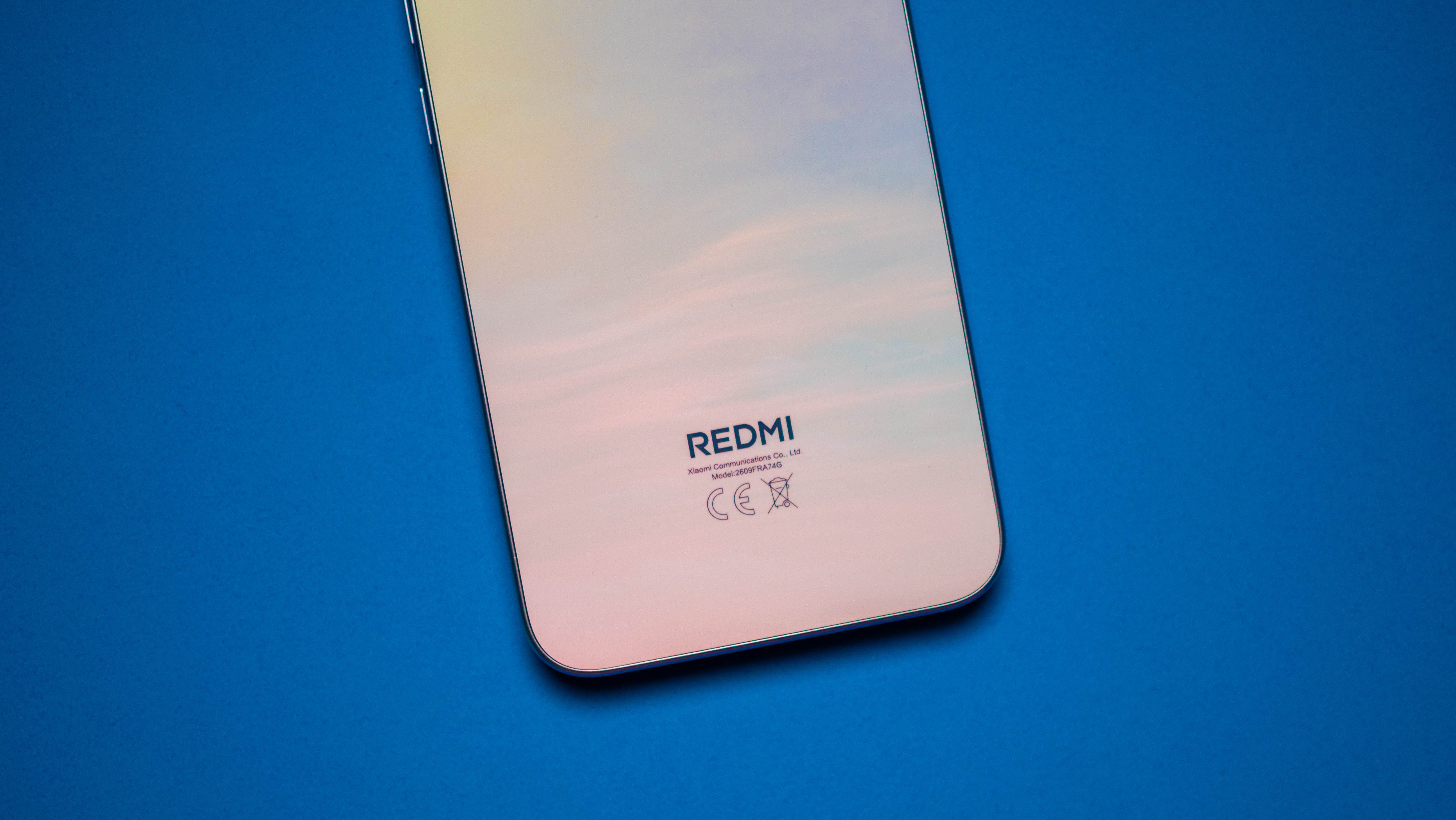
Annoyingly, the Redmi Note 17 Pro Max is even worse. Xiaomi is distracting buyers by adding a huge 9,210mAh silicon-carbon battery that ostensibly lasts up to three days, but there's no getting around the fact that this phone is slower, doesn't have as much memory, and isn't as good in daily use as its predecessor. The Note 17 Pro Max costs $499 at launch, and honestly, your money is better spent on just about any other phone.
Look, there are areas where the Redmi Note 17 Pro Max is better than other phones, particularly with battery life. Thanks to a 9,210mAh silicon-carbon battery, the phone lasts two and a half days with medium use, and even with heavy usage, you can get it to last two entire days. And when you need to charge it, there's 100W USB PD 3.0, so it takes just an hour to get to a full charge. Battery life is unquestionably the best feature on this phone, and Xiaomi even sells a model with a 10,000mAh battery (if the 9,210mAh unit isn't adequate).
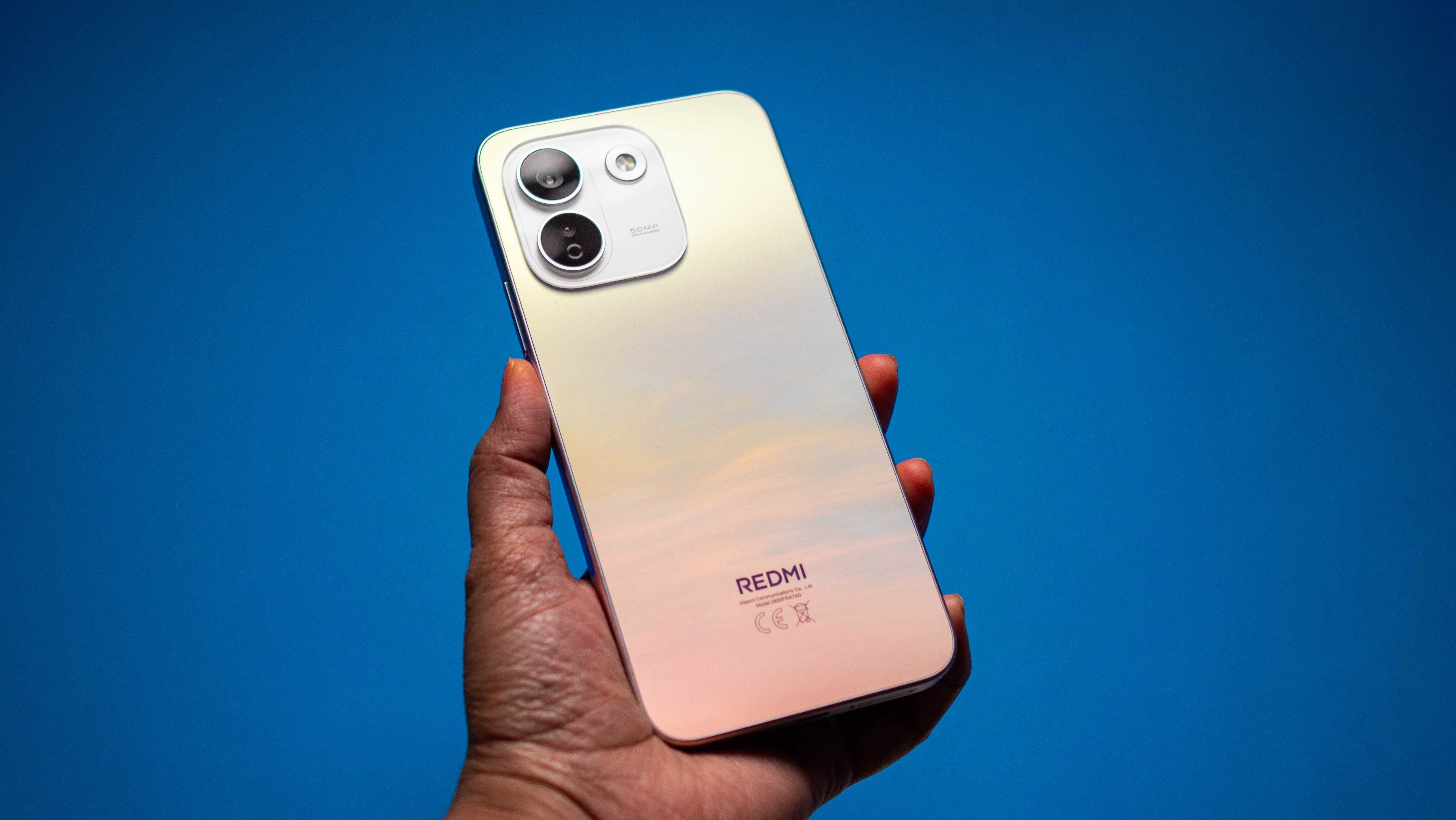
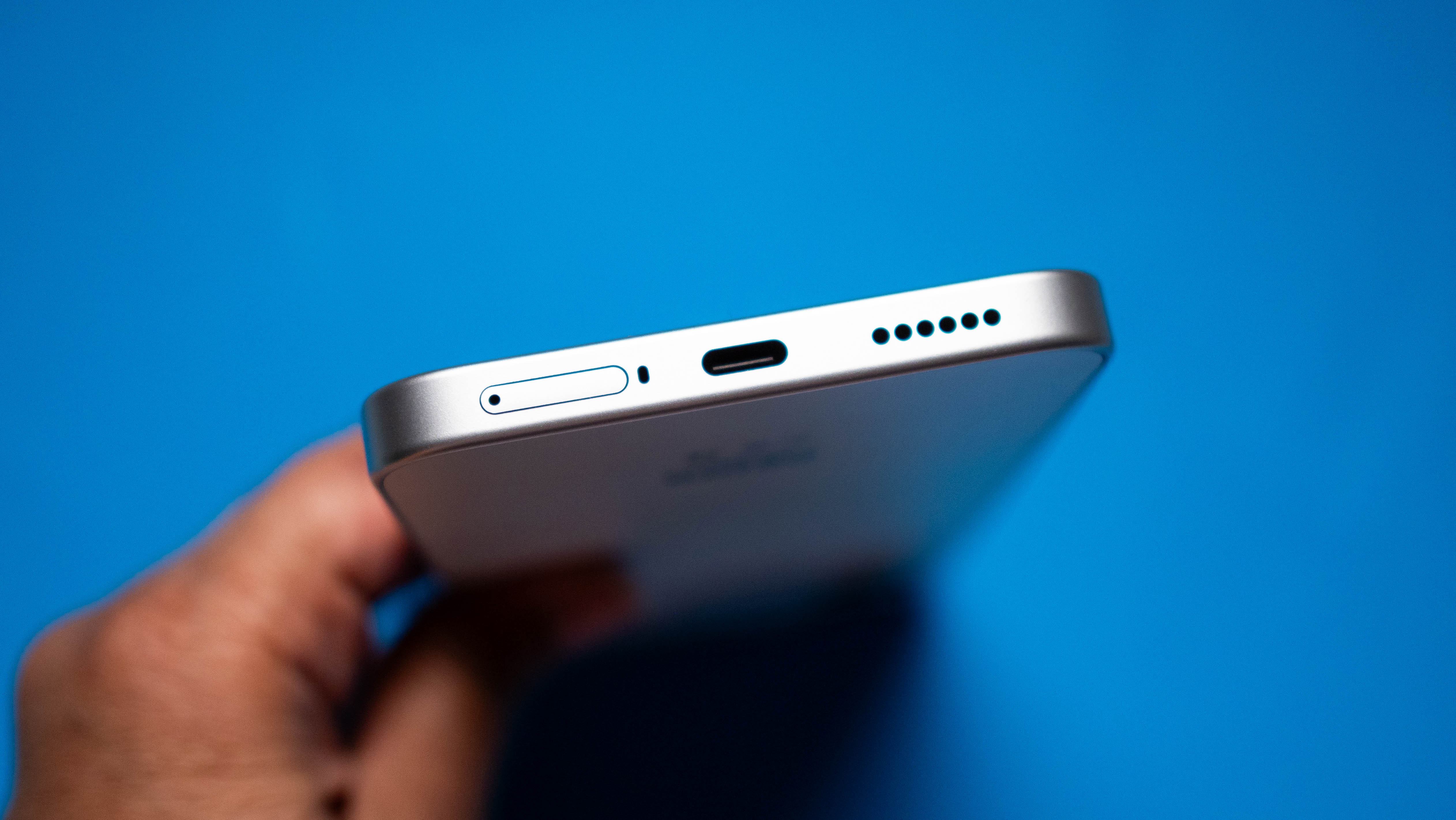
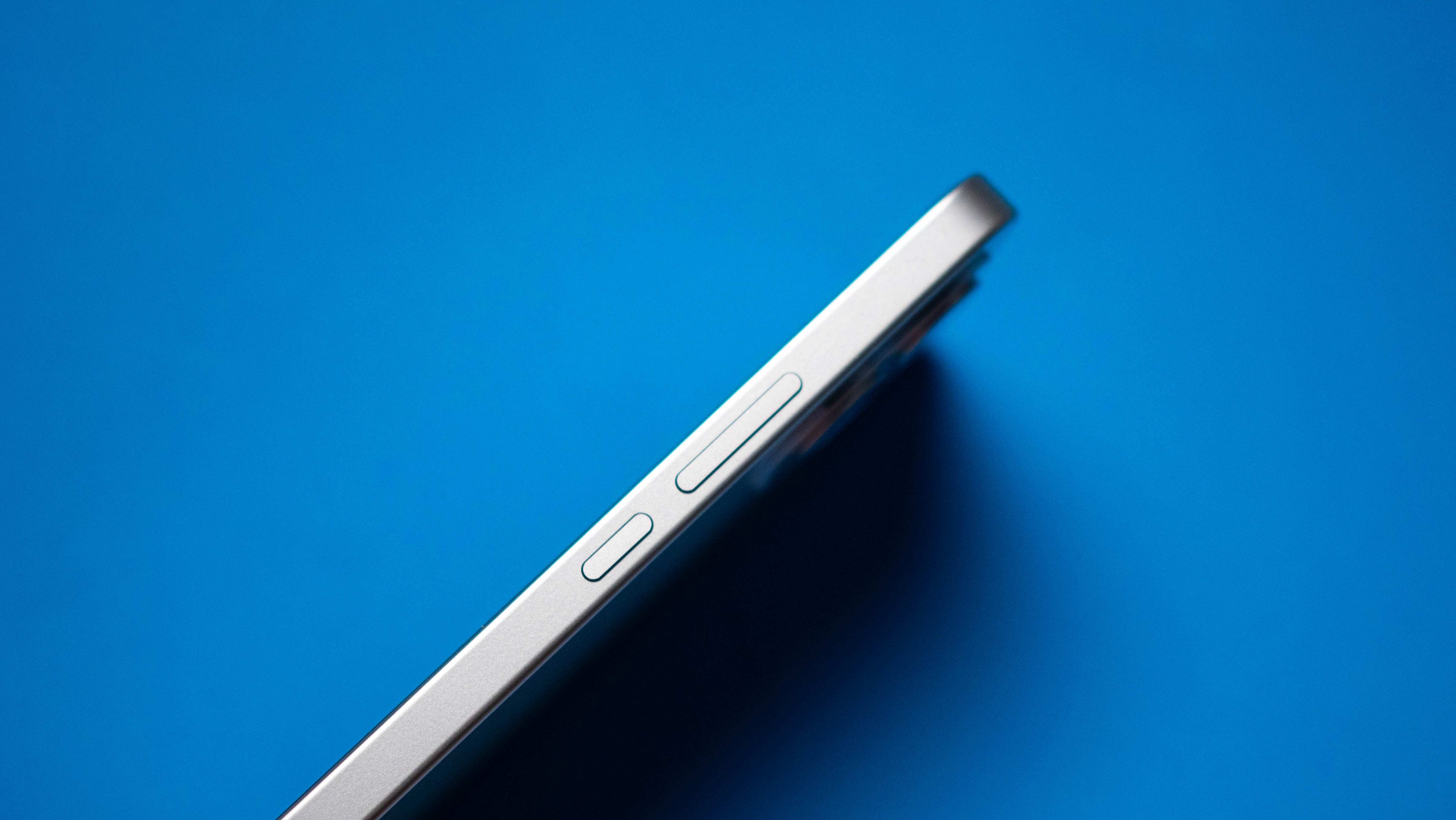
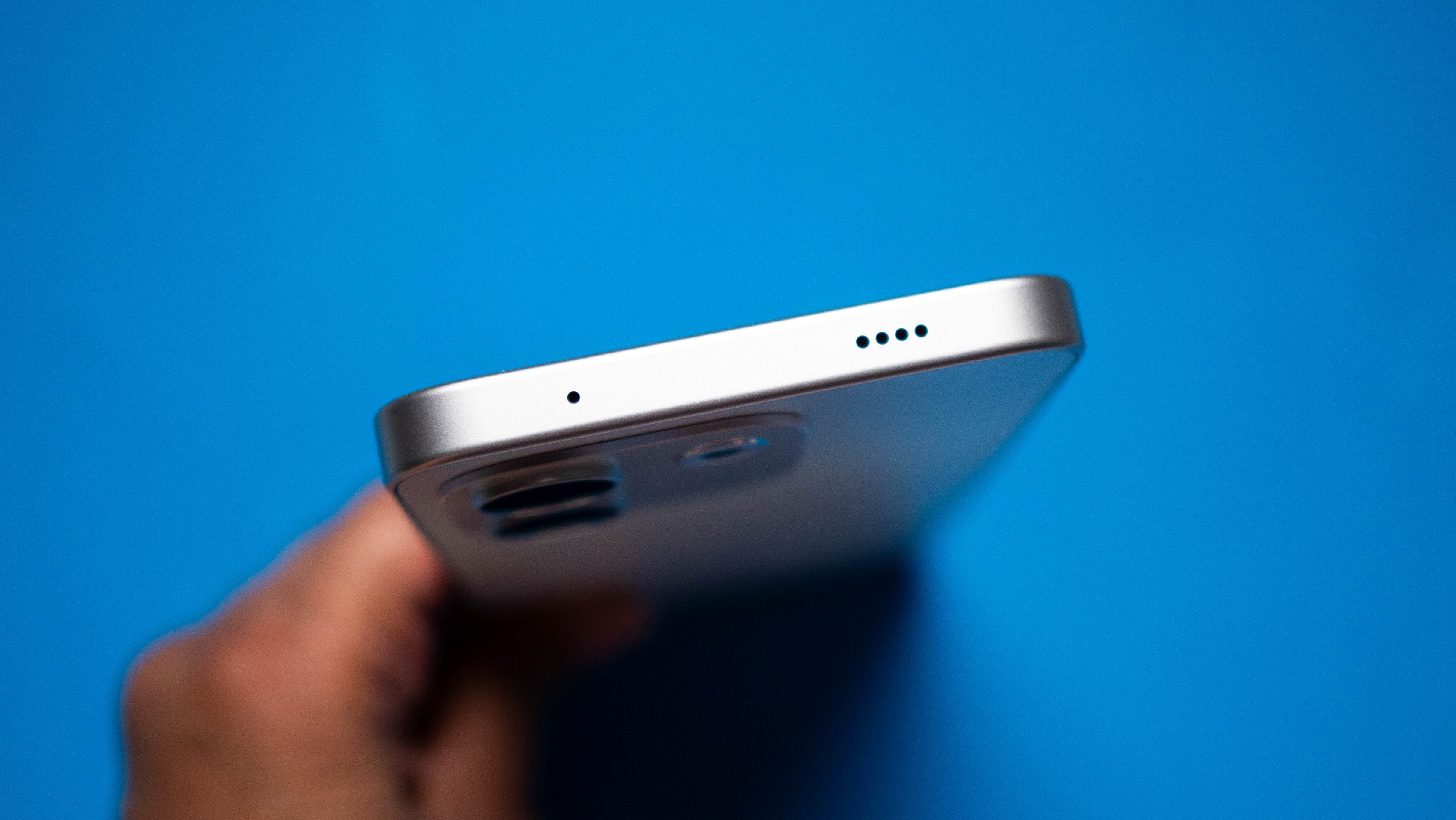
I like that the phone doesn't feel like a brick; it has a flat design and is good to hold and use, and it has similar dimensions as the Galaxy S26 Ultra, if a bit chunkier and 14g heavier. That said, it isn't unwieldy to use in the least, and Xiaomi deserves credit for the design. Also, the Note 17 Pro Max has better durability thanks to a new polycarbonate mid-frame, and it gets IP68 and IP69K ingress protection - like the best Android phones. But in classic Xiaomi fashion, IP69K isn't available on all global models.
The Cloud Blush color looks good too. It has an iridescent pattern that subtly shifts as light reflects the body, and it adds a bit of elegance to the phone. The 6.83-inch OLED has good colors out of the box, and it gets bright in daily use. While a few Xiaomi phones had issues with HDR content, that thankfully isn't an issue here, and the 120Hz panel on the Note 17 Pro Max is pretty good overall. It doesn't get quite as bright as the 15 Pro+ when using both phones side-by-side, but I didn't notice any issues in outdoor use.
 Apoorva Bhardwaj / Android Central
 Apoorva Bhardwaj / Android Central
 Apoorva Bhardwaj / Android Central
 Apoorva Bhardwaj / Android Central
 Apoorva Bhardwaj / Android Central
Okay, that's it for the positives. Xiaomi made a lot of changes to the hardware this time around, starting with the use of silicon. Last year's model came with a Snapdragon 7s Gen 4, so it is annoying to see Xiaomi move to the Snapdragon 6 Gen 5 with the Note 17 Pro Max. What's particularly insidious is that this chipset still uses the A78 and A55 cores, which are positively ancient at this point.
To give you some context, last year's model has the newish A720 and A520 cores, so the Note 17 Pro Max is a clear downgrade - and it shows in everyday use. There is noticeable lag when you're multitasking, and high-end gaming is an exercise in futility. Device manufacturers have made plenty of positive strides in bringing decent hardware to mid-range phones, but Xiaomi reversed all of that with the Note 17 Pro Max.
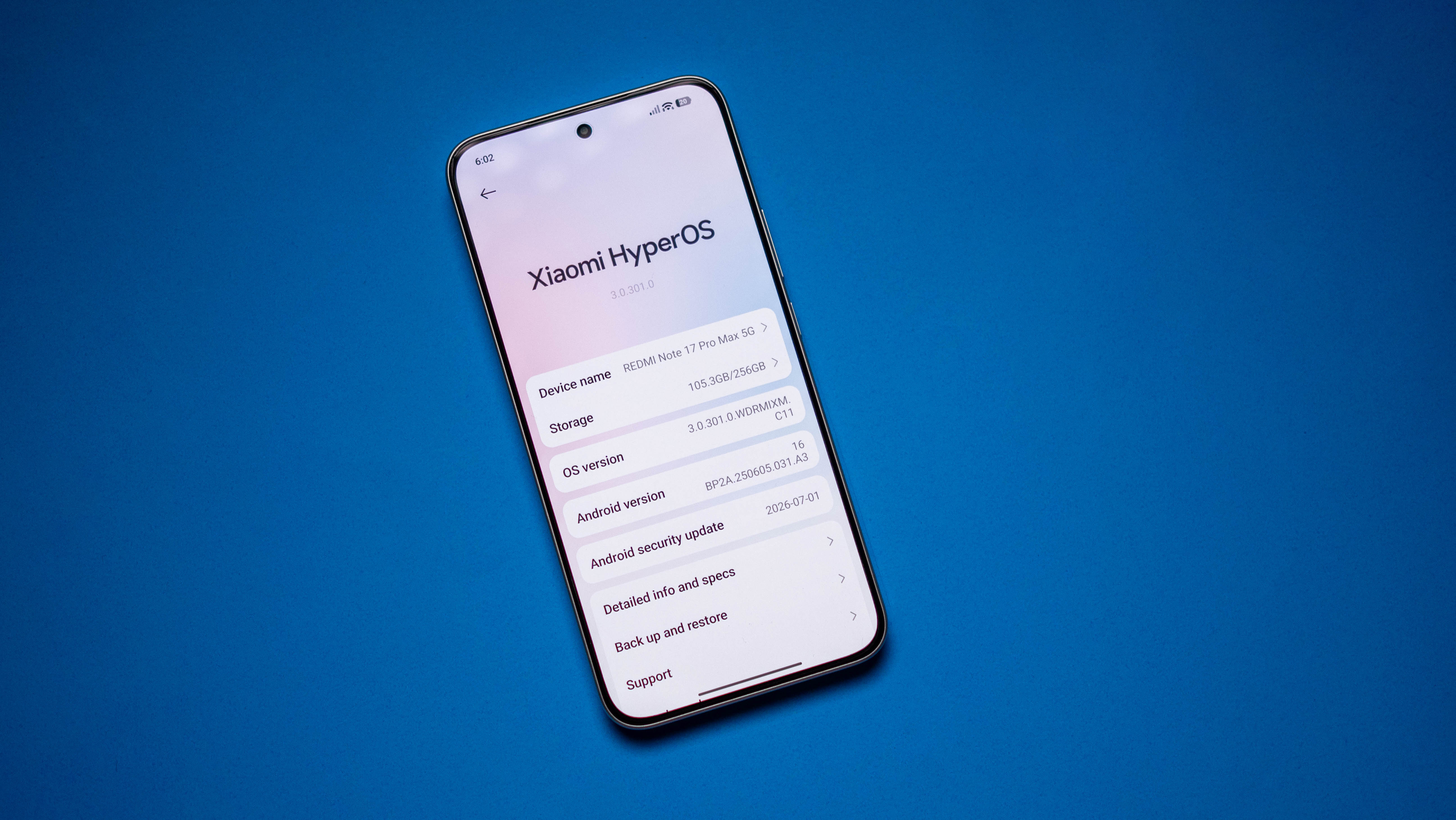
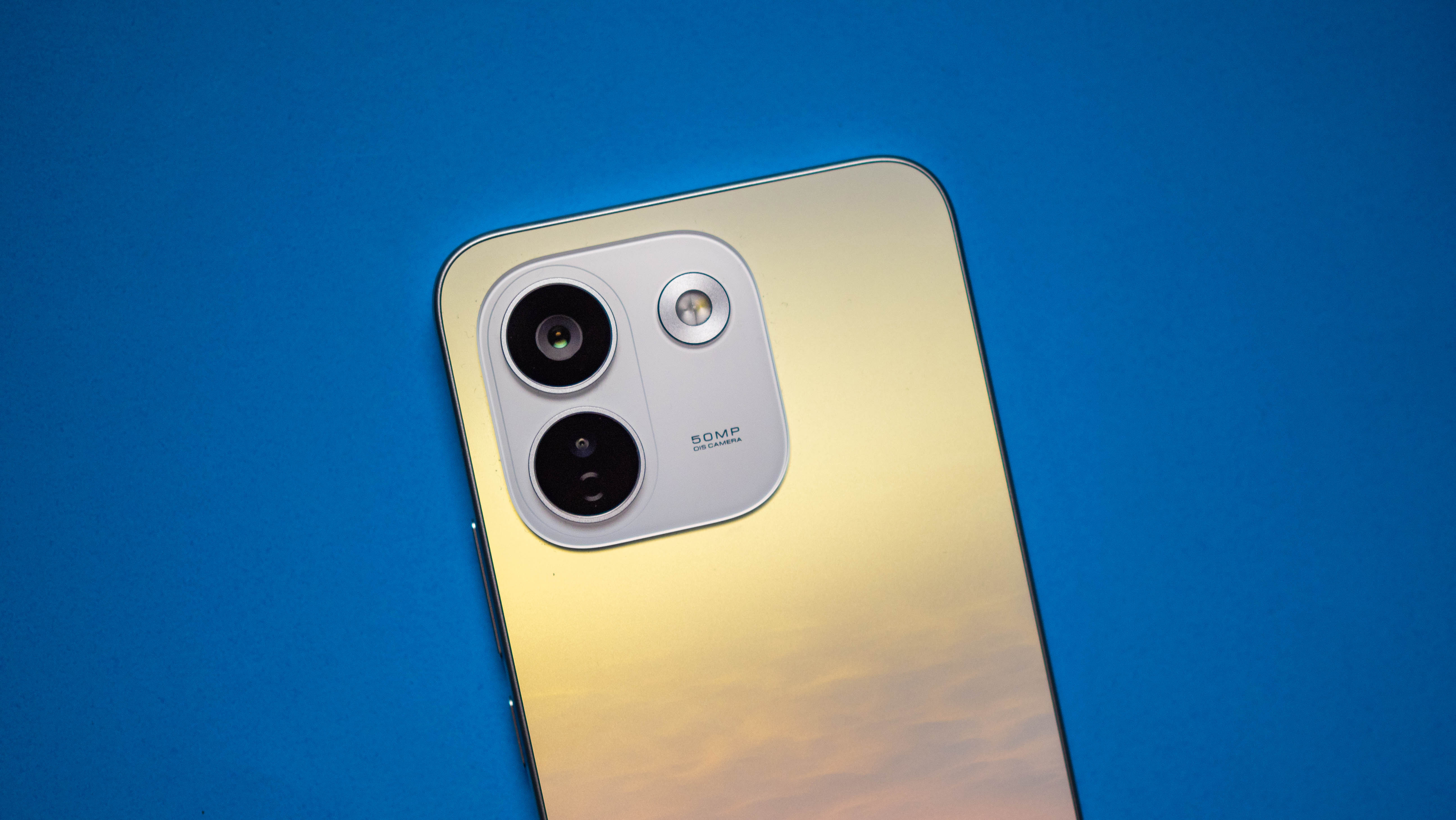
The Note 17 Pro Max starts with 8GB of RAM and 128GB of UFS 2.2 storage, and that is just not good enough in 2026. It is yet another area where this year's phone is a downgrade. On that subject, the 50MP main camera is decent if you take photos, but it once again misses out on 4K60 video - at this point, it's clear that Xiaomi doesn't want to offer this feature. It isn't quite as good in low-light situations, and the cameras overall don't hold a candle to the Pixel 10a.
Then there's the software. The Note 17 Pro Max runs Android 16 out of the box, and I just don't get it. Google released the stable Android 17 build 74 days before Xiaomi introduced the Note 17 Pro Max, so it isn't like the brand had enough time to pre-install the latest version of Android. This is once again a choice, as it means Xiaomi doesn't need to deliver quite as many platform updates.
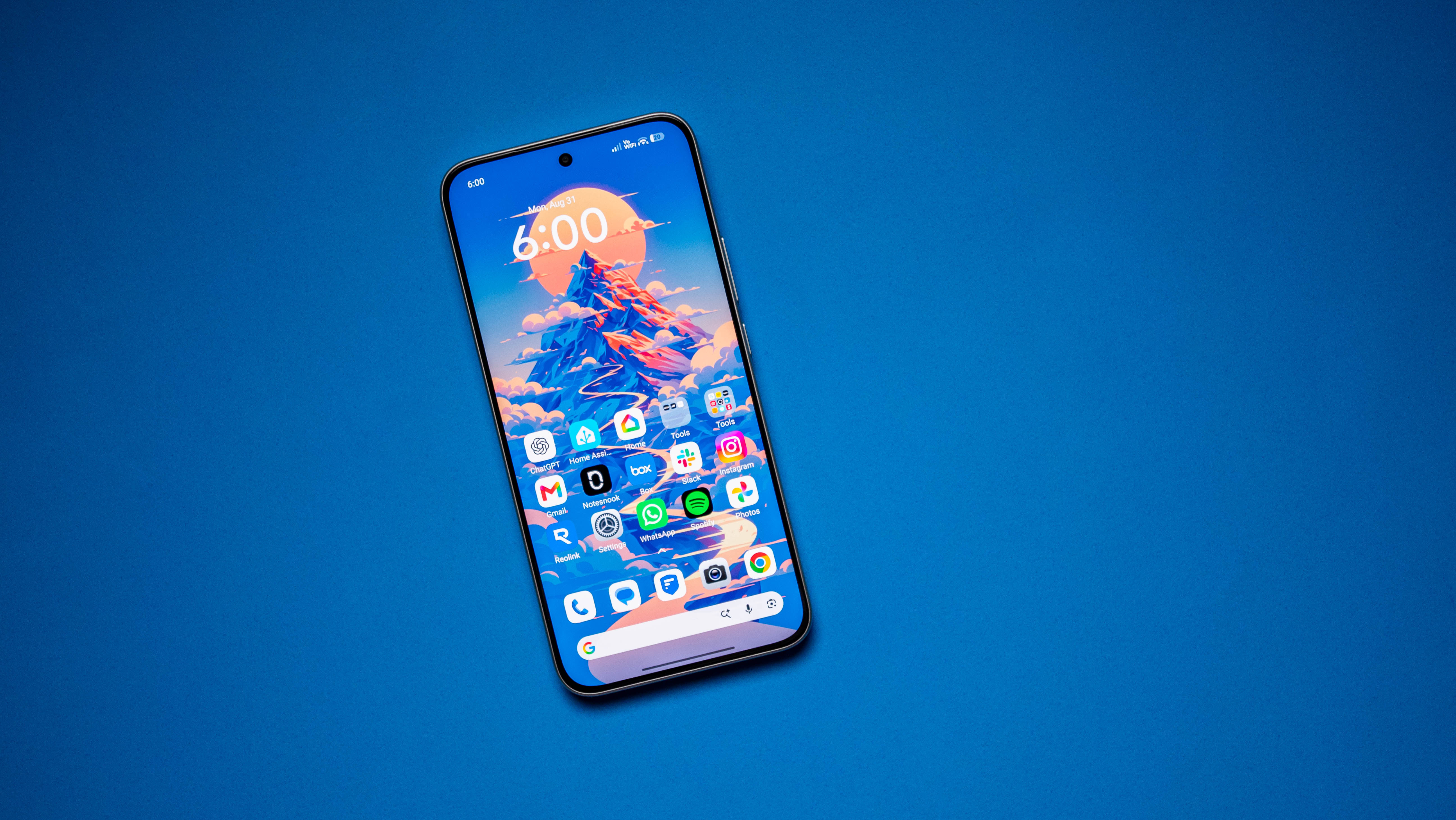
Yes, the Redmi Note 17 Pro Max has the best battery life of any phone I used in 2026, and it looks and feels good to hold and use. The OLED panel is vibrant, and the main camera is decent enough in this category. However, the downgraded hardware combined with 8GB of RAM and annoying bloat-ridden software means there isn't much of a reason to buy this phone - the Note 15 Pro+ is still a better choice in every area other than battery life. If you're looking to get a mid-ranger in 2026 and need something made by Xiaomi, my recommendation is the POCO X8 Pro.