I tested the POCO F9 Ultra, and it is the value flagship I'd buy in 2026
Last year's POCO F8 Ultra was one of my favorite phones. It had a delightful denim-based design, powerful internals, great cameras, standout battery, and didn't cost anywhere as much as its rivals. Basically, POCO delivered one of the best value flagships of the year with the device.
In 2026, the brand is continuing that trend with the F9 Ultra and F9 Pro. The F9 Ultra isn't too different to its predecessor, and that is unquestionably a good thing. There is a bigger 8,050mAh battery that lasts two days with ease, a new 200MP main camera, and a model with 16GB of RAM and 1TB of storage, which is what I'm using.
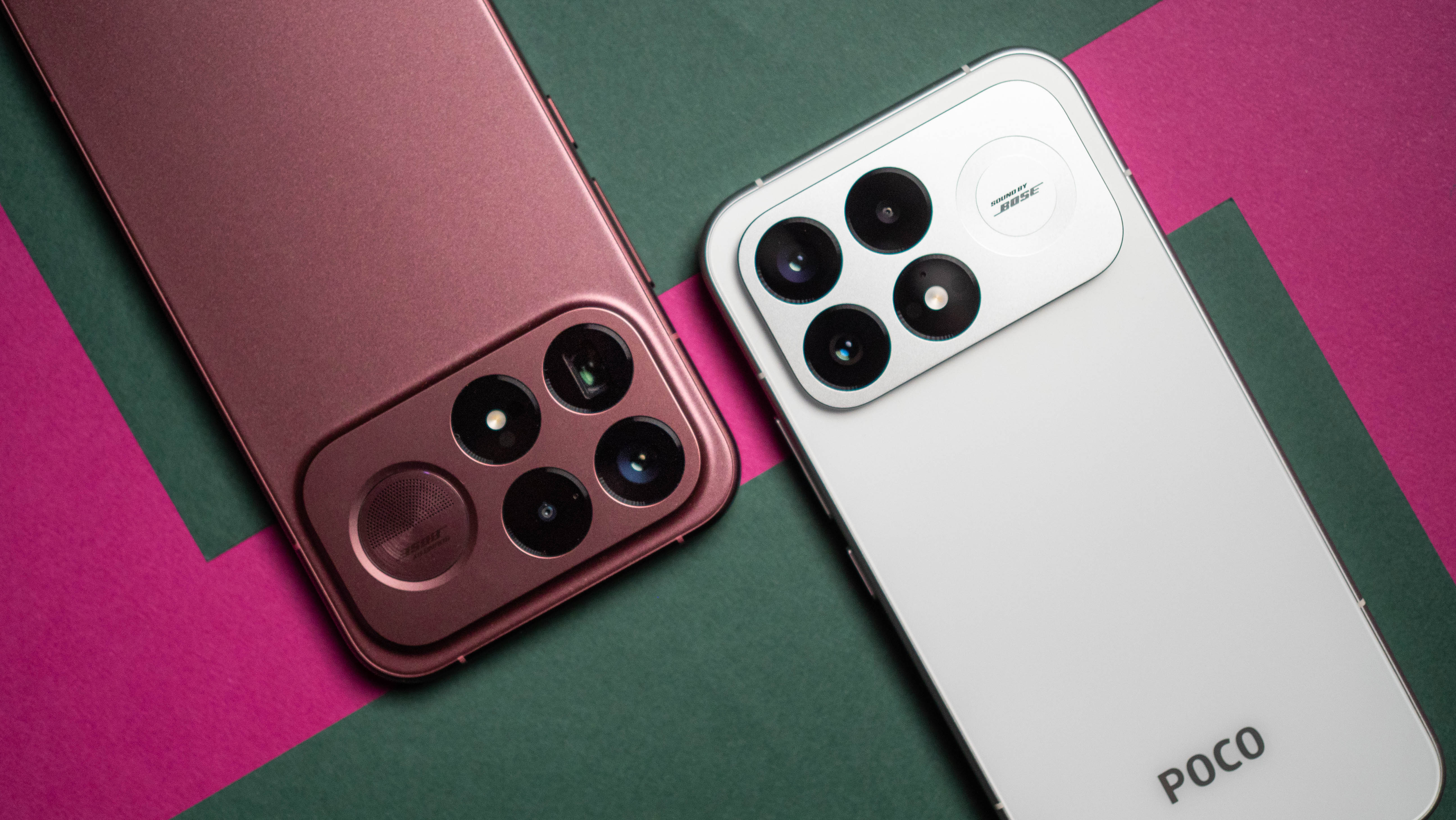
The F9 Ultra is coming to 25 countries globally, including the U.K., Germany, Spain, Italy, Thailand, Malaysia, Indonesia, Mexico, and the UAE. Annoyingly, it isn't launching in India, and I don't quite understand why that's the case - POCO has a strong userbase in the country, and the device should do well considering its intended audience.
Let's start with what it costs. The F9 Ultra comes with 12GB of RAM and 256GB of storage, and it costs the equivalent of $799, with an early-bird deal of $729. It is costlier in the west, retailing for 1,099 ($1,273), but the launch price of 829 ($961) makes it that much more accessible. Then there's the 16GB/512GB model that costs $949 ($799 at launch), and 1,199 ($1,389) (899 ($1,042) at launch). The 16GB/1TB model is $1,199 in Asian markets with a deal price of $1,059, and it comes out to 1,399 ($1,621) in the west, with the deal lowering it to 1,199 ($1,389).
The F9 Pro, on the other hand, costs $699 for the 12GB/256GB edition, and $769 for the 12GB/512GB model. Obviously, you're still paying a lot of cash towards either phone, but it isn't anywhere as much as a regular flagship.
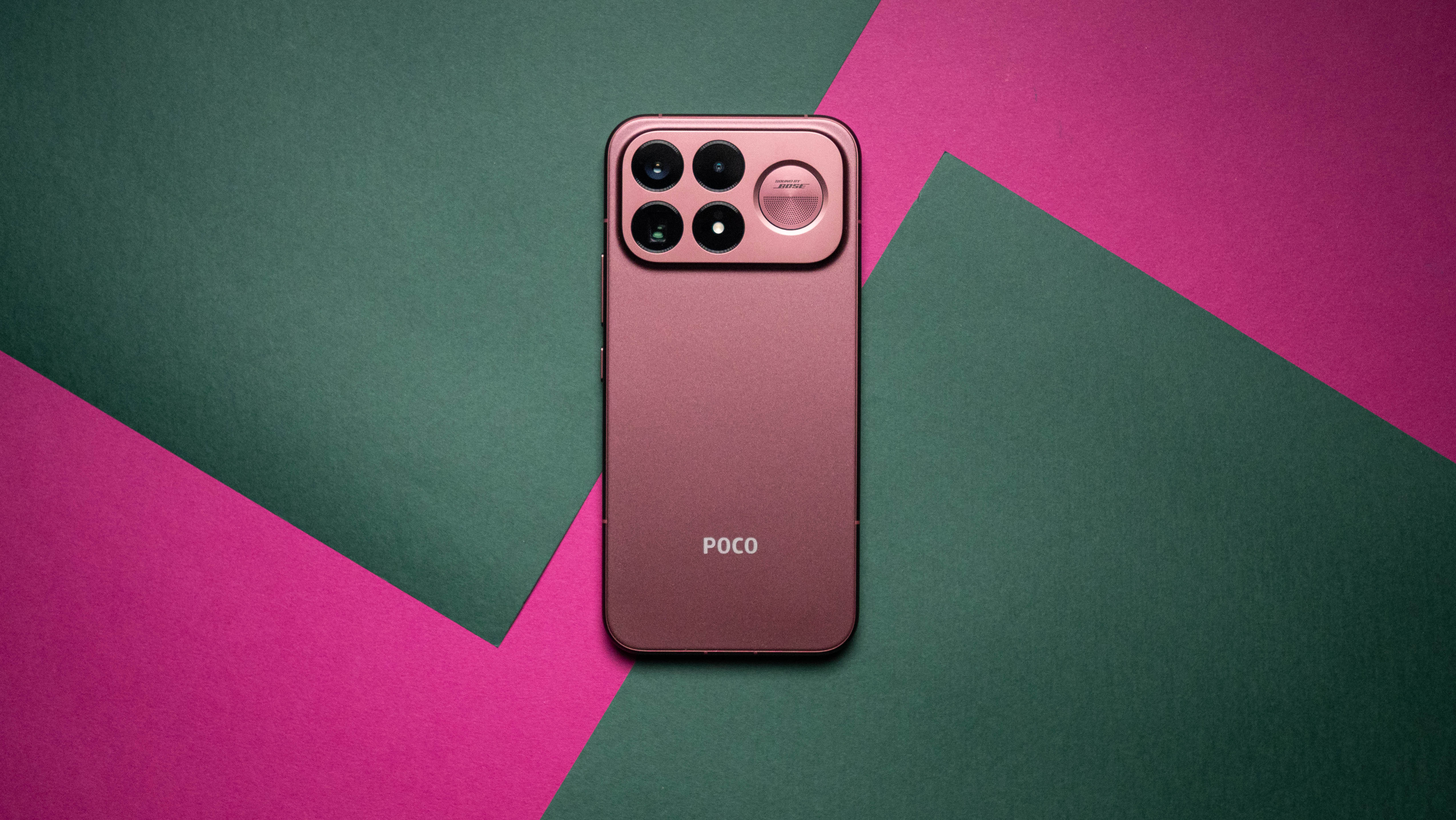
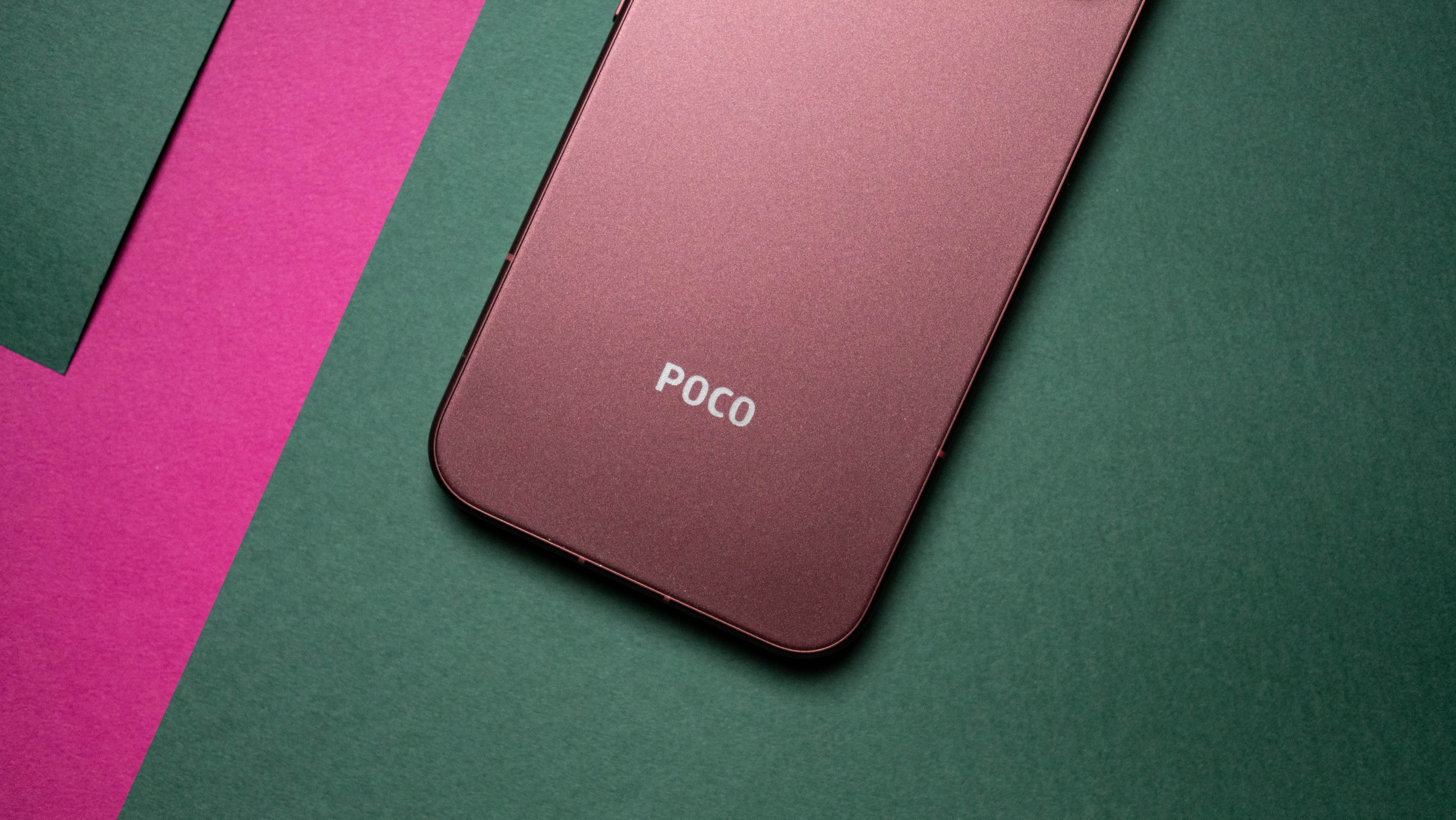
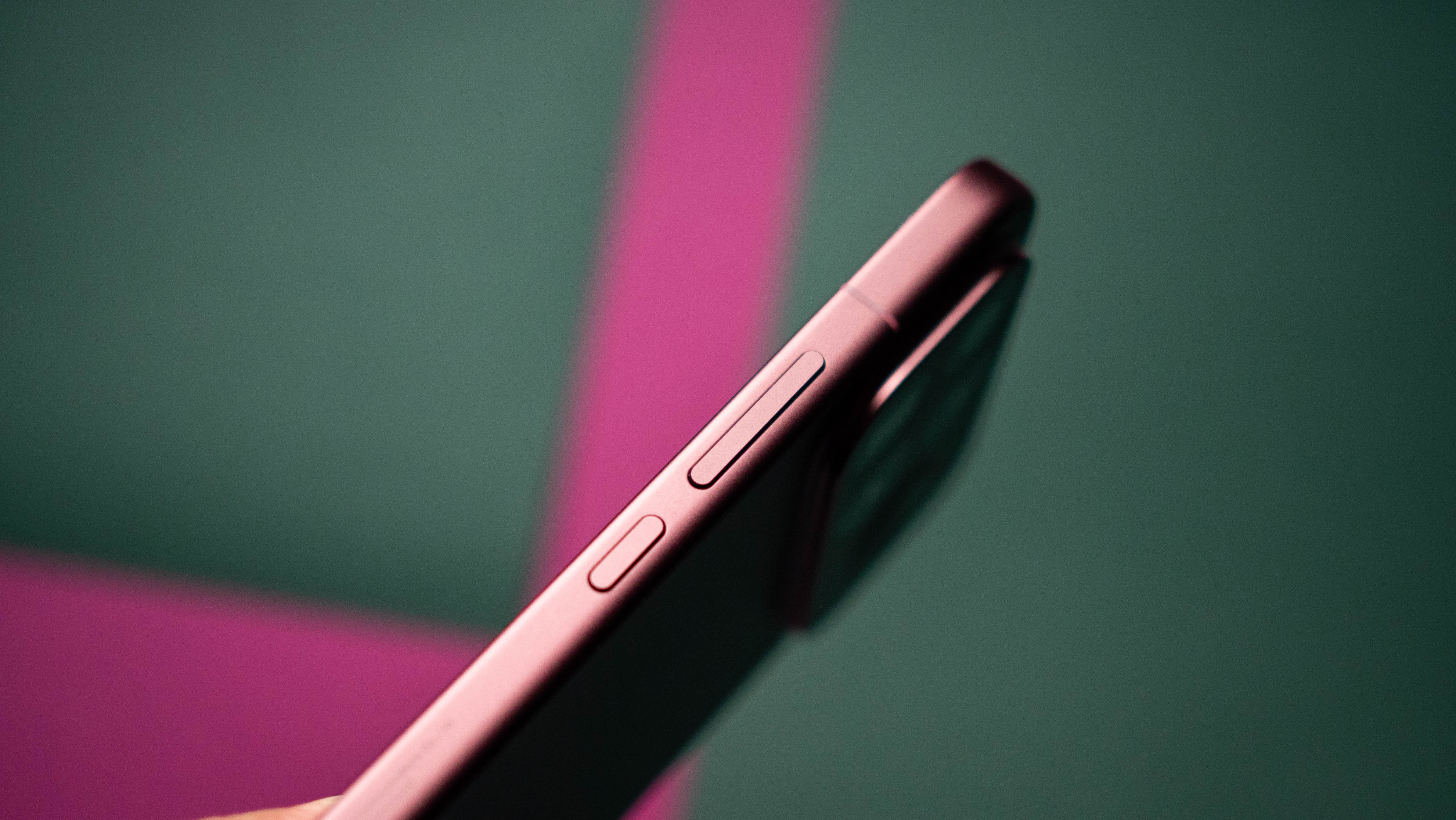
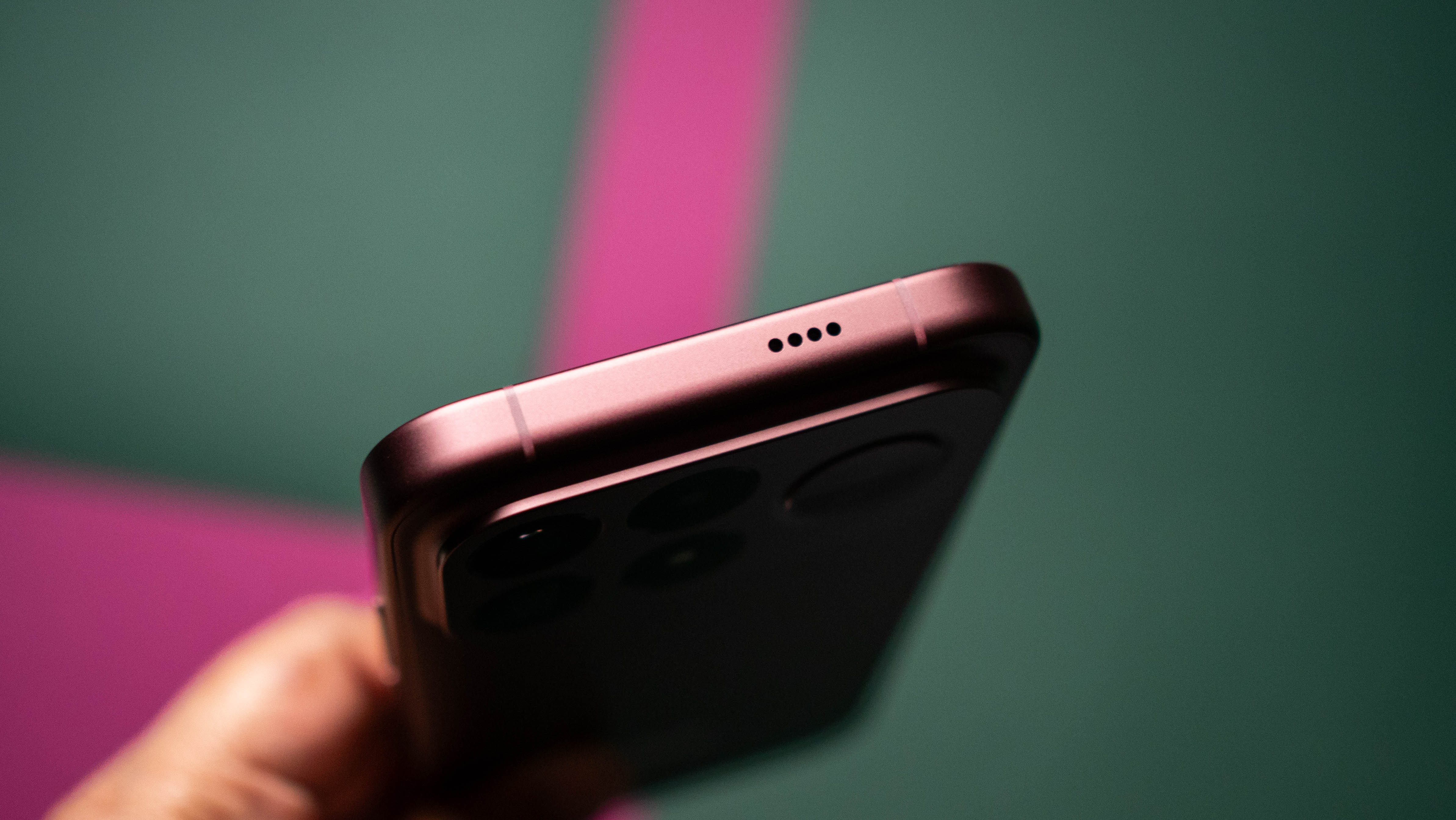
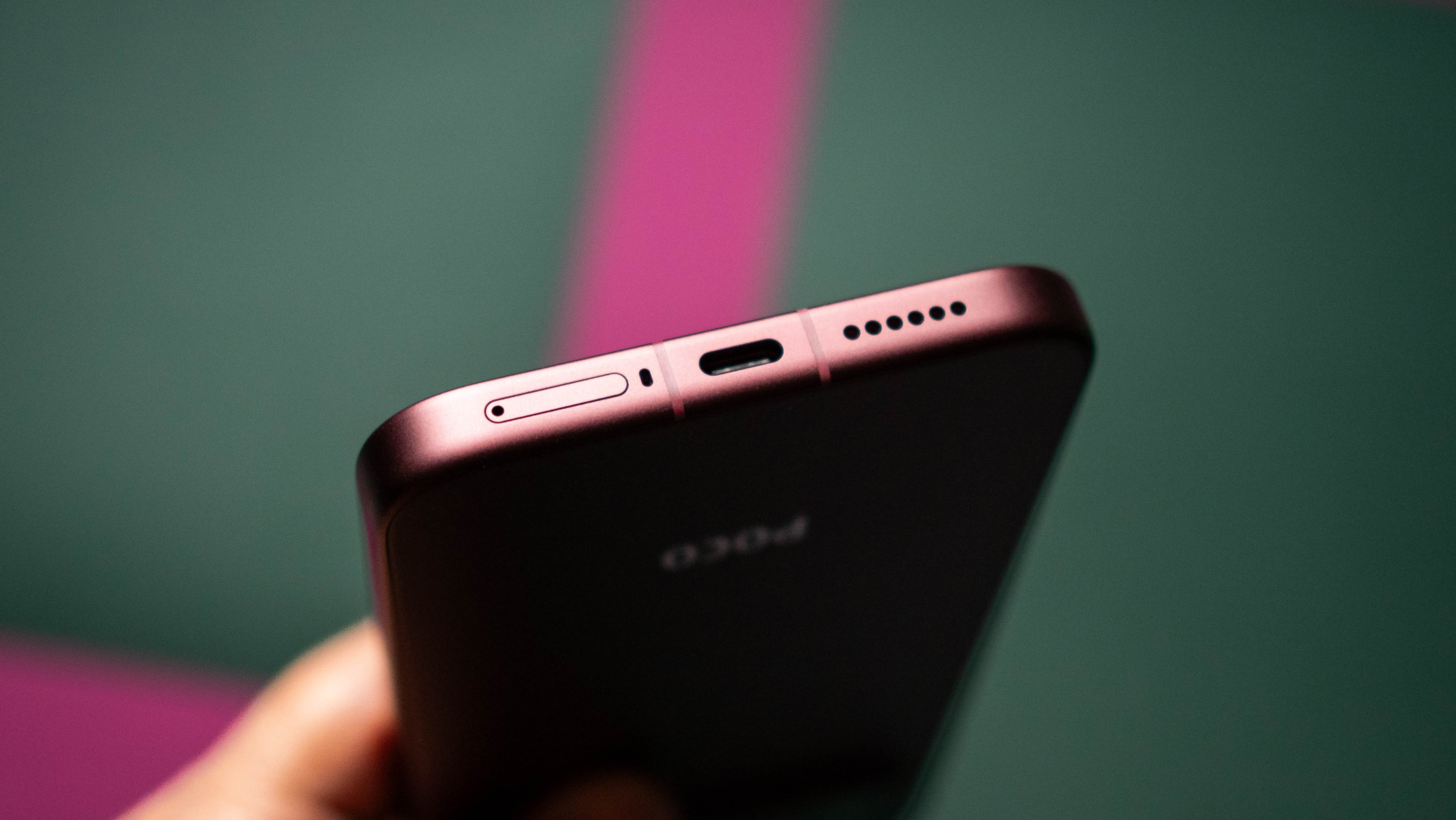
Having used the F9 Ultra for a week, it's evident that POCO once again managed to deliver a standout phone. I'm a little annoyed that it didn't retain the denim finish - it made the phone so distinctive - but the Dark Cherry model is equally good-looking this year, and the design is eerily similar to what the iPhone 18 Pro is touted to look like based on the leaks. I'm guessing that's intentional, and whatever the reason, the F9 Ultra looks great.
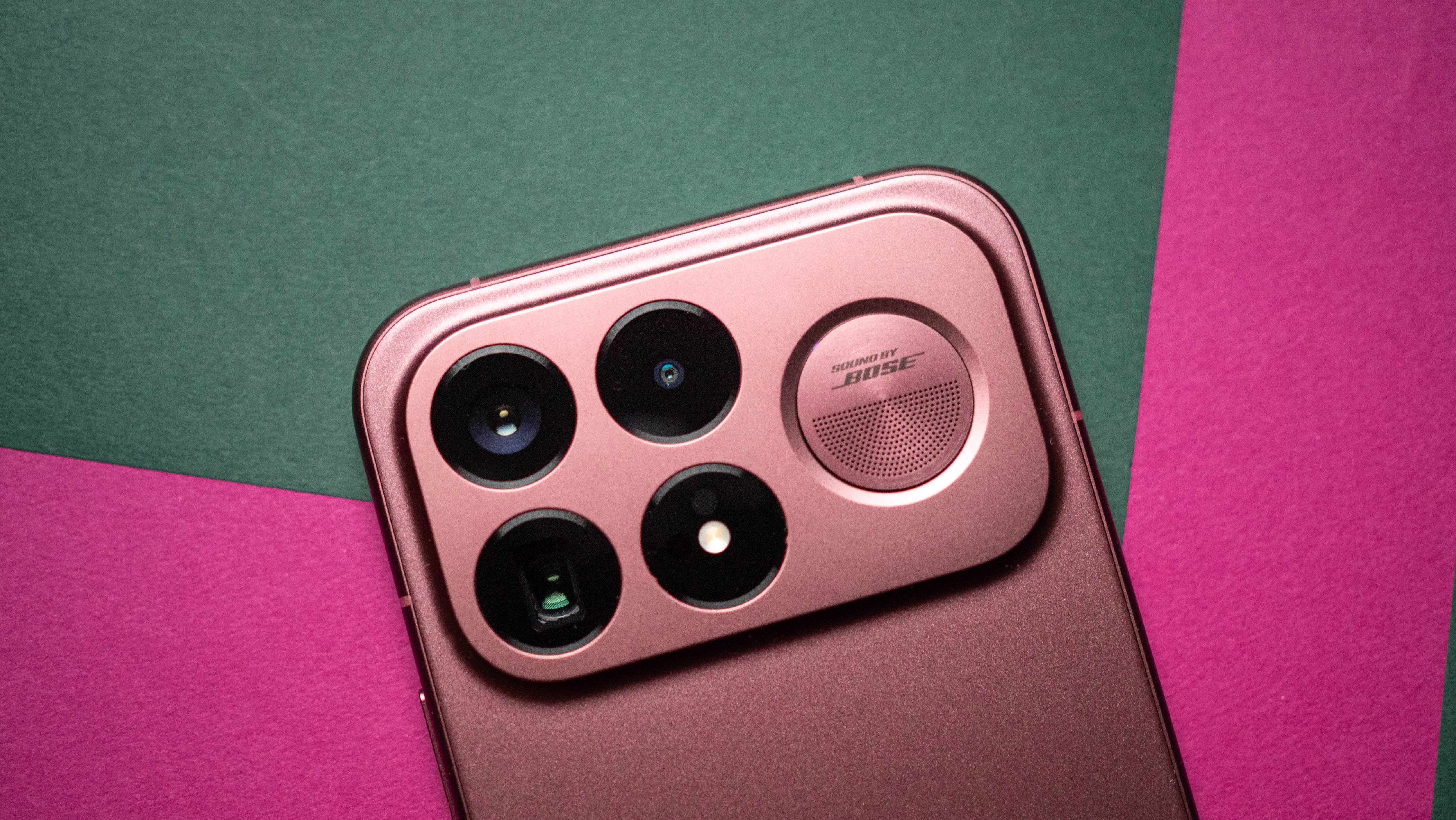
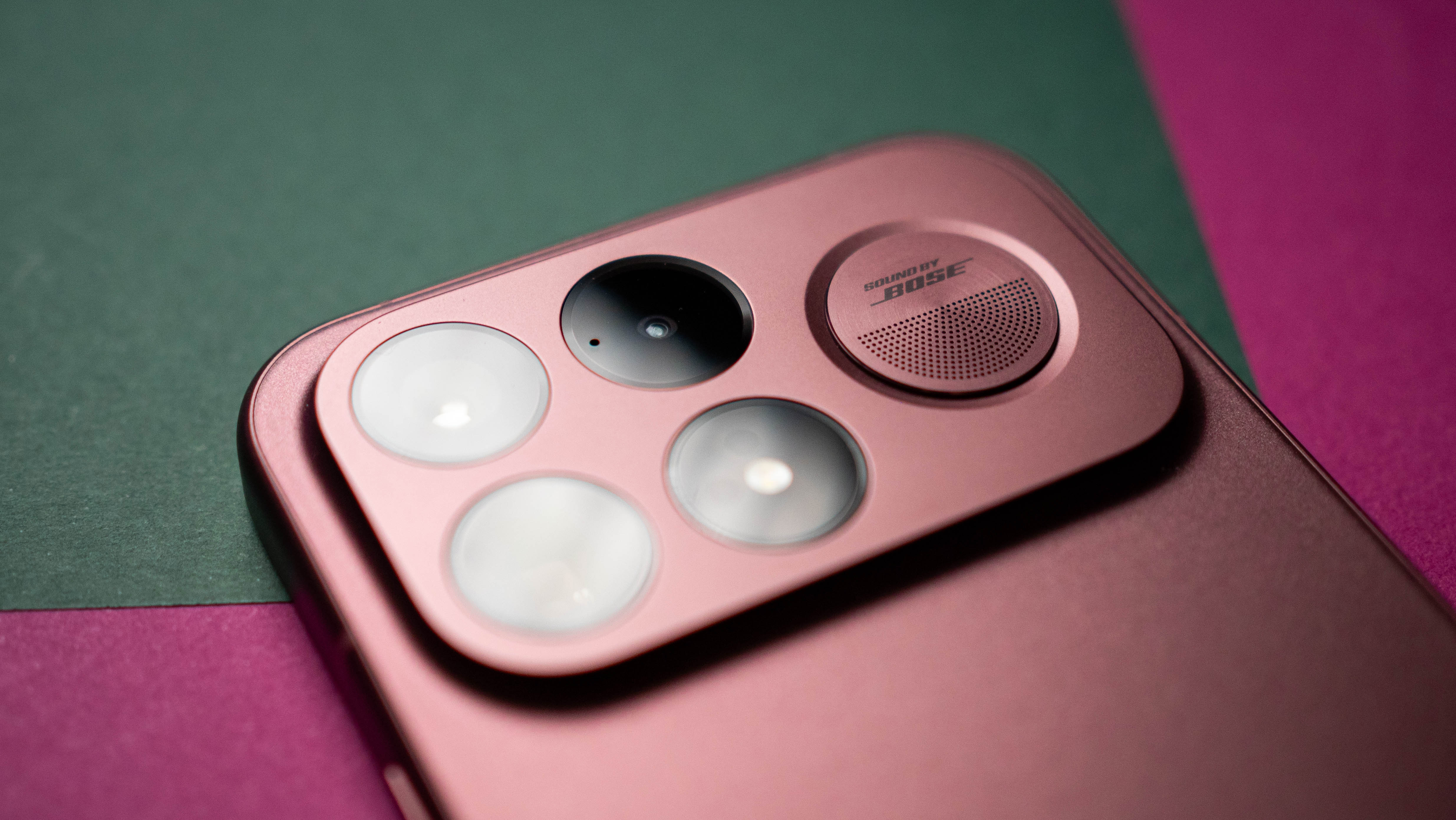
It is on the heavier side at 235g, but weight distribution is ideal, and the matte texture makes the phone a delight to use. The camera island is wide - similar to the iPhone 17 Pro - and it doesn't lead to any wobble when using on a desk, which is a definite positive. You get IP68 dust and water resistance, an ultrasonic sensor that's fast to authenticate and is located in the right position (thankfully), and Xiaomi's interesting offline mode that lets you make calls with another Xiaomi phone without a cell signal (up to two kilometers).
 Apoorva Bhardwaj / Android Central
 Apoorva Bhardwaj / Android Central
 Apoorva Bhardwaj / Android Central
 Apoorva Bhardwaj / Android Central
 Apoorva Bhardwaj / Android Central
 Apoorva Bhardwaj / Android Central
 Apoorva Bhardwaj / Android Central
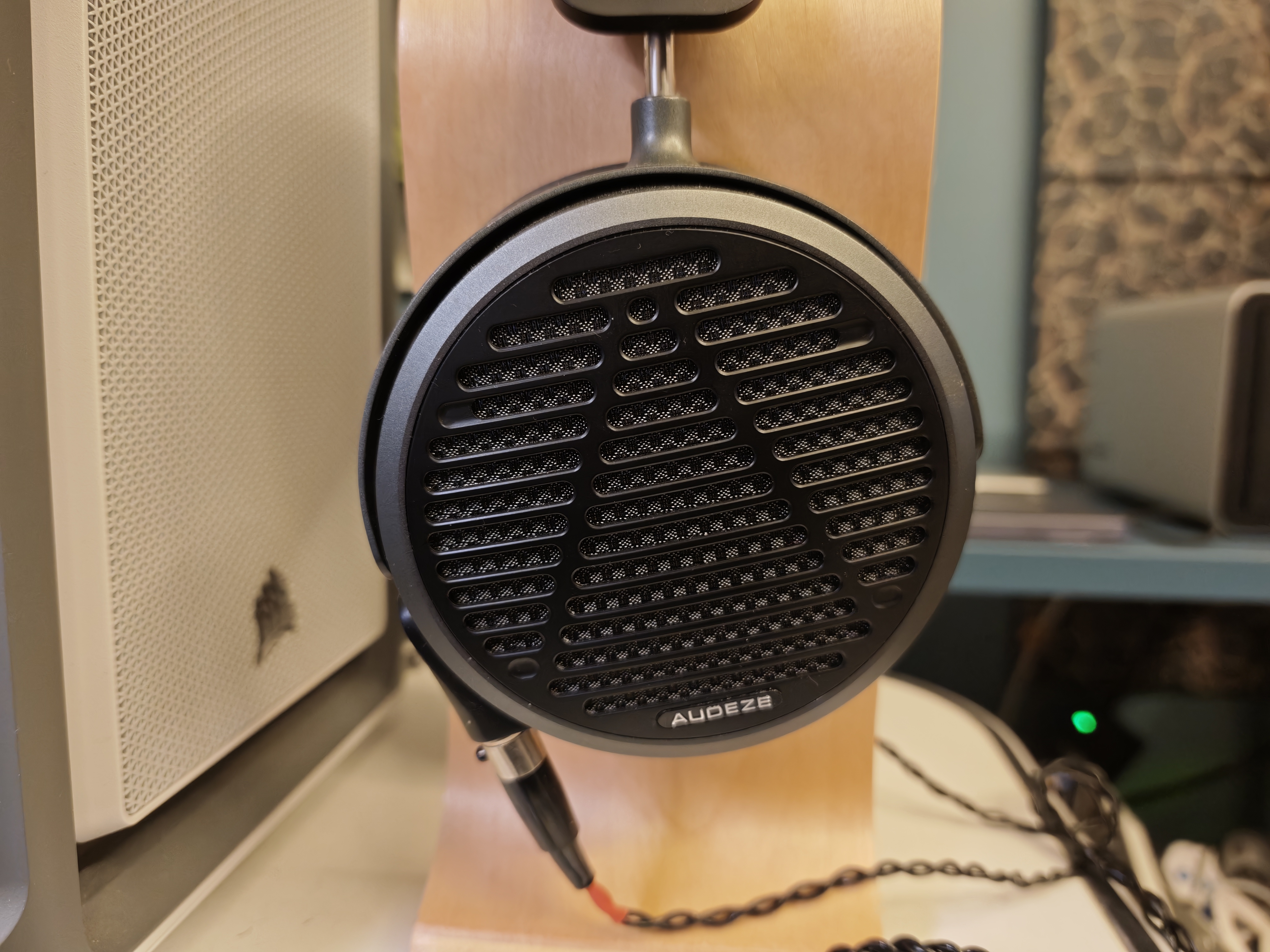
There's a dedicated Bose woofer (like last year), and onboard audio is the best of any phone today. It gets loud and detailed, and honestly, POCO deserves a lot of credit for nailing the 2.1 audio configuration on a phone. Oh, and there's a ring encircling the Bose woofer, and it lights up - similar to HiLight on the Pixel 11 Pro Fold - and it is handy if you want to view notifications while the phone is face-down.
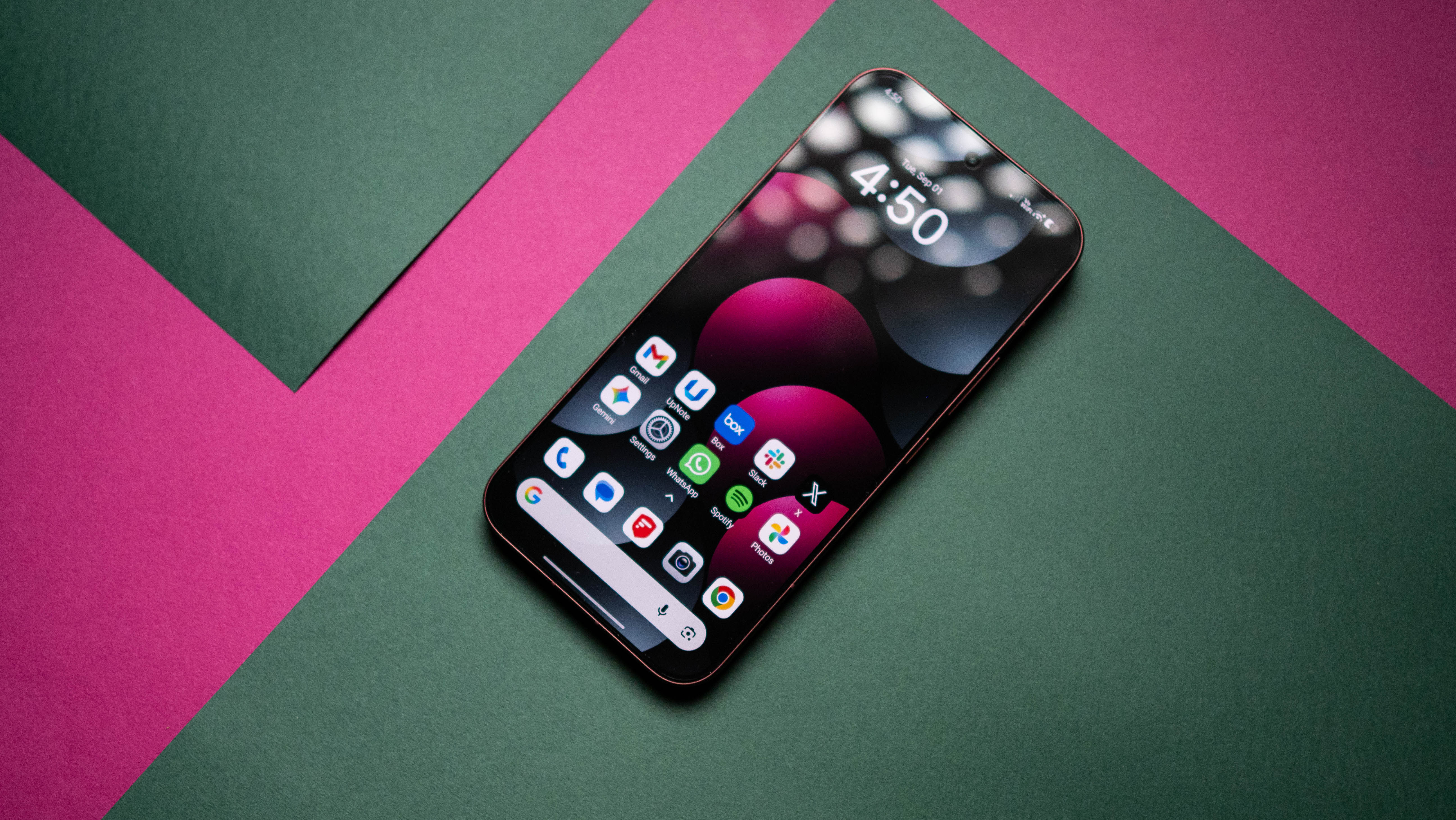
The 6.9-inch AMOLED panel is unchanged to last year, and you get the same WildBoost engine that makes gaming a little smoother. The difference isn't big enough that I'd suggest getting this over something like the Redmagic 11 Pro, but it is better than most mainstream phones. The panel itself is bright and has good colors, and it does a good job with HDR content.
Because of the accelerated launch window (the phone is launching 10 months after its predecessor), there isn't a change of silicon, and that's absolutely fine by me - the 8 Elite Gen 5 is still the best that Qualcomm has to offer. It tends to overheat while gaming, but not quite to the same extent as the F8 Ultra, so that is good to see.
Another positive is the silicon-carbon battery tech. The phone gets a huge 8,050mAh battery with a decent 16% silicon-carbon content in the anode, and it easily lasts two days even with heavy use. There's 100W charging as well, and the phone takes less than an hour to fully charge the battery.
 Harish Jonnalagadda / Android Central
 Harish Jonnalagadda / Android Central
 Harish Jonnalagadda / Android Central
 Harish Jonnalagadda / Android Central
 Harish Jonnalagadda / Android Central
 Harish Jonnalagadda / Android Central
 Harish Jonnalagadda / Android Central
 Harish Jonnalagadda / Android Central
 Harish Jonnalagadda / Android Central
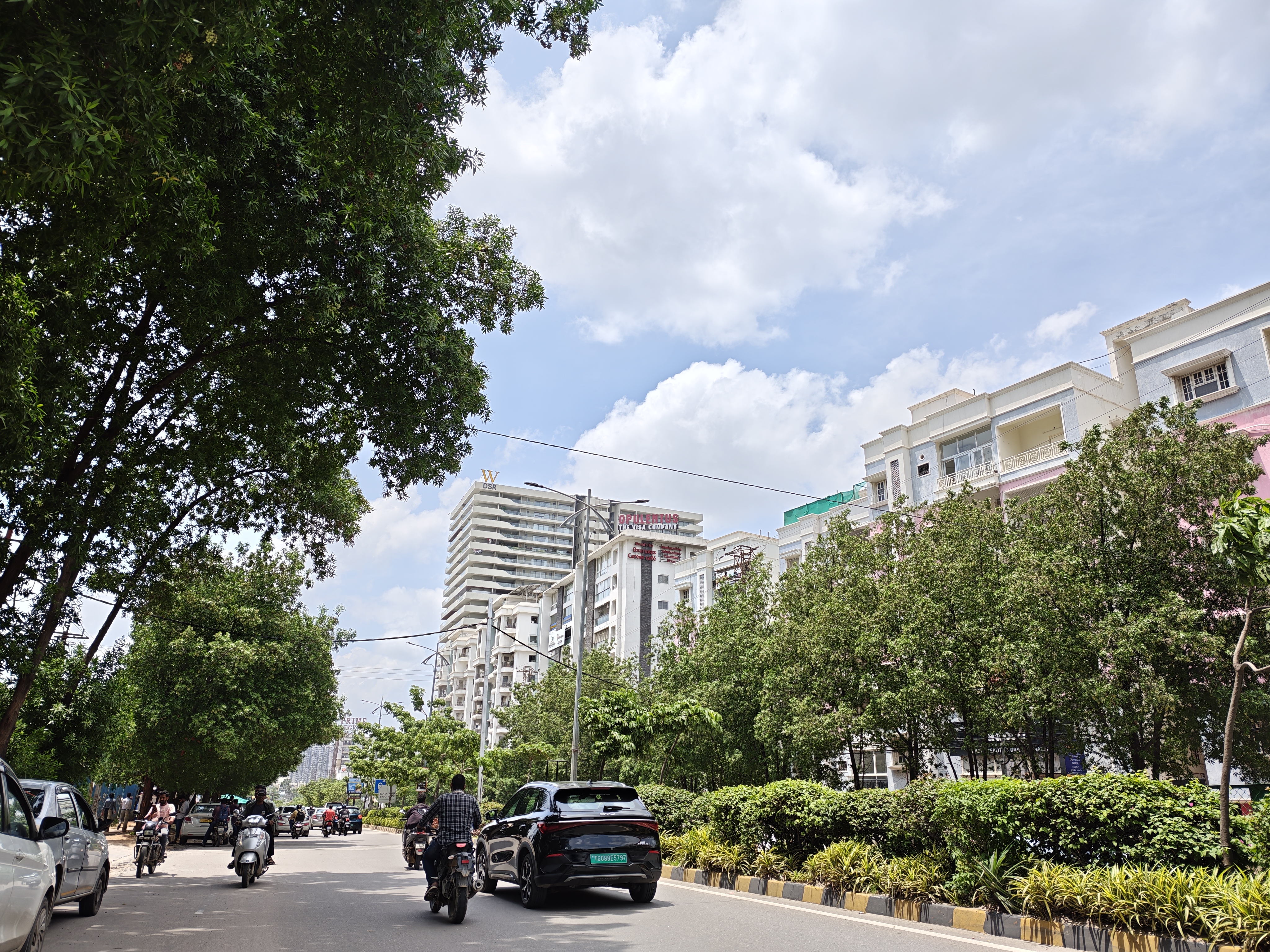
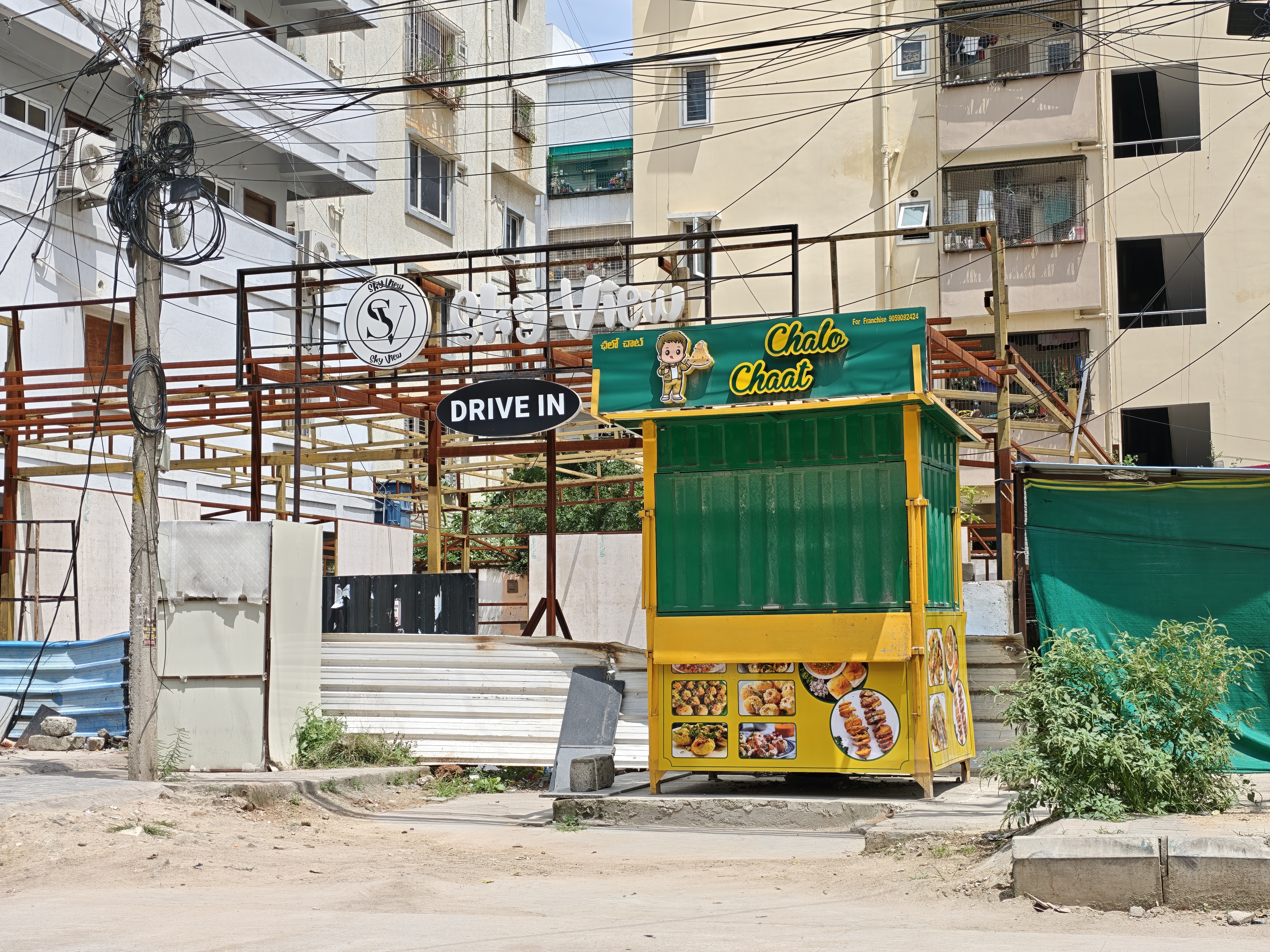
I also like the camera on the F9 Ultra; there's a new 200MP main camera that takes great photos in just about any situation. The wide-angle lens is average, and the phone in general doesn't do that good a job with videos. That said, the 5x tele lens is pretty decent.
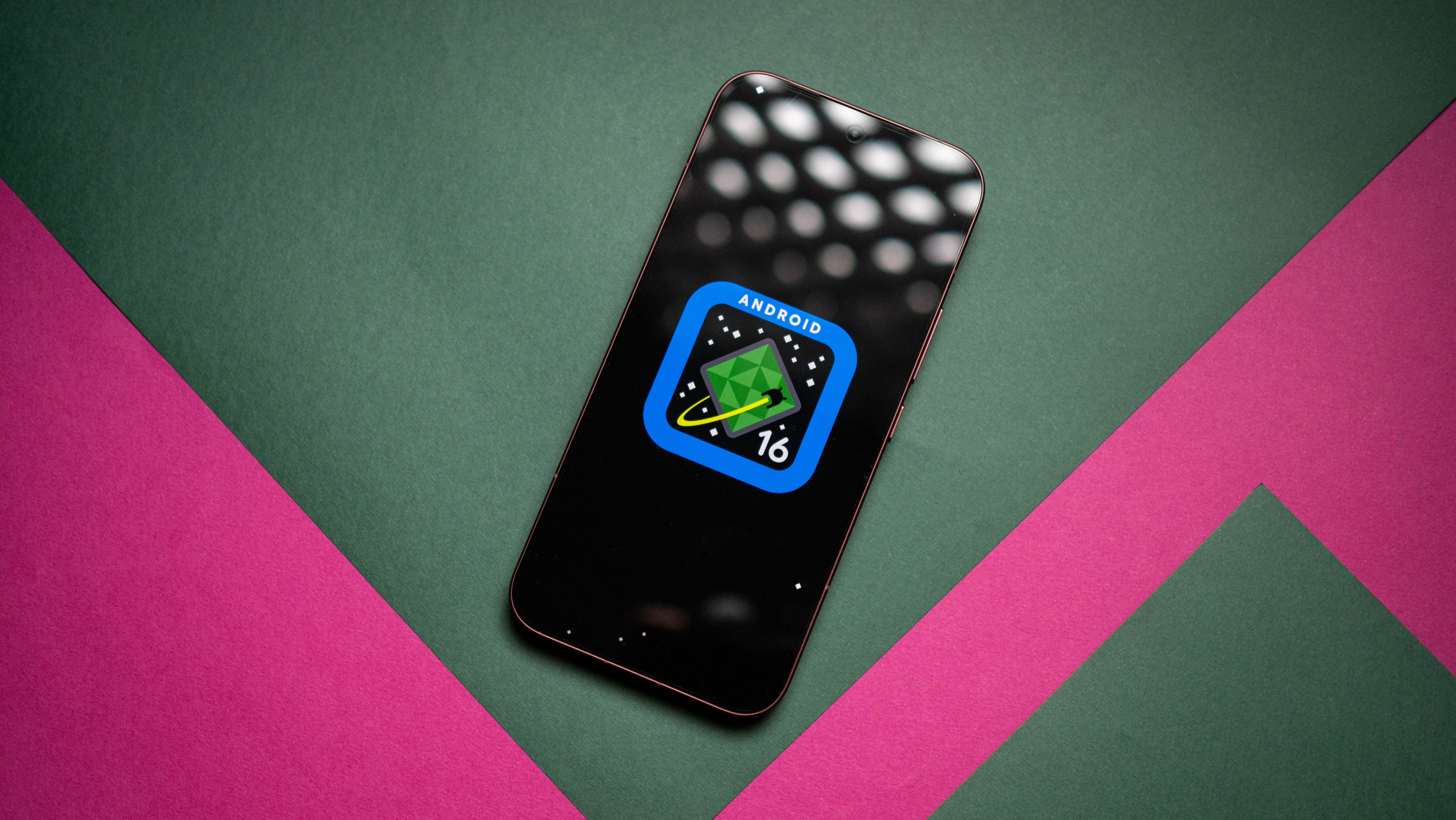
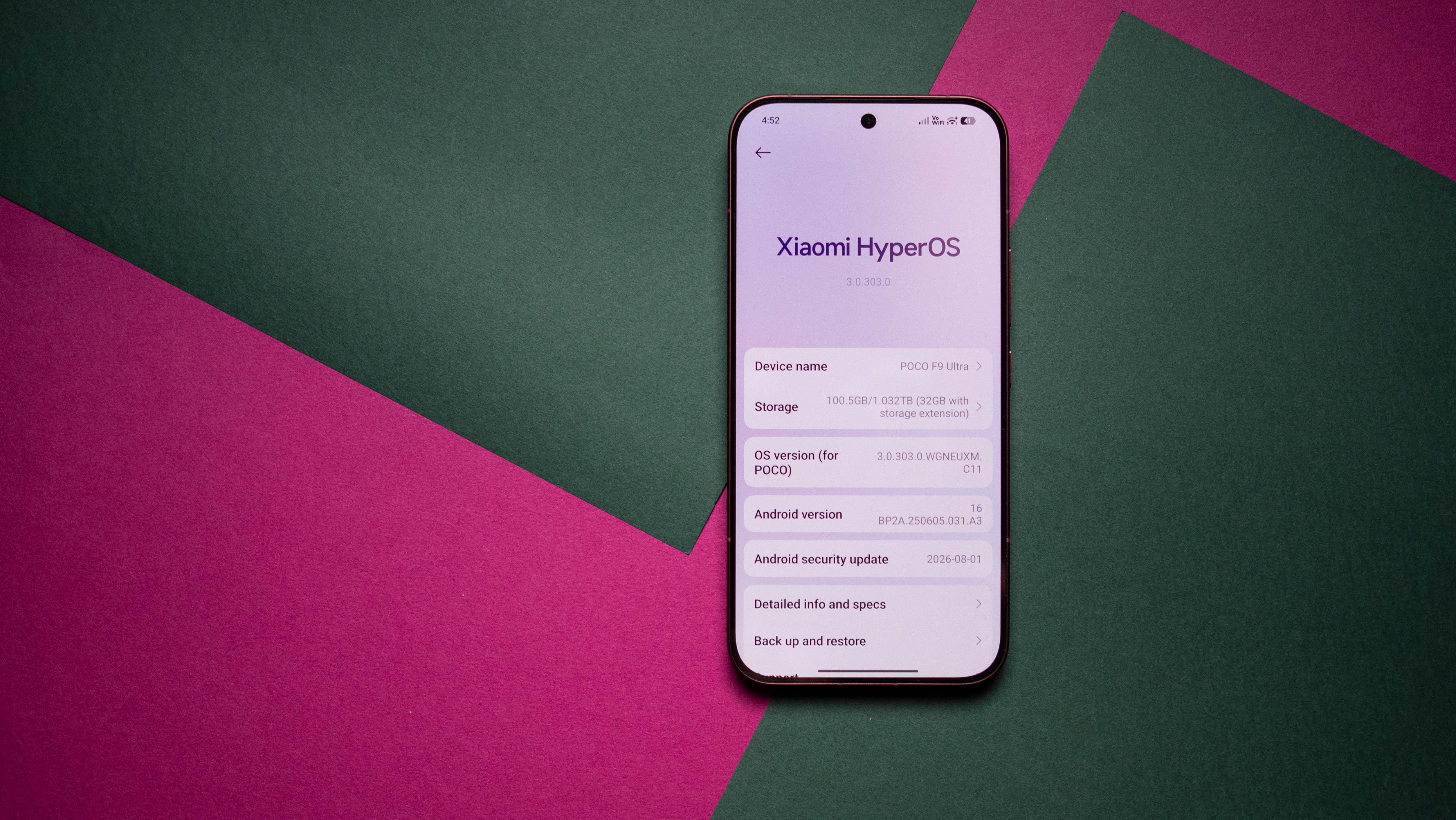
The biggest annoyance with the F9 Ultra is the software. The phone runs Android 16 out of the box, and I don't understand why it doesn't have Android 17. POCO has to do better in this area, and the software in general is in need of an overhaul. Of course, that's reliant on Xiaomi, and with the brand dragging its heels, it may be a while before you see any positive momentum on the software front. On that subject, the phone will get four Android updates, which is on the lower end of the scale.
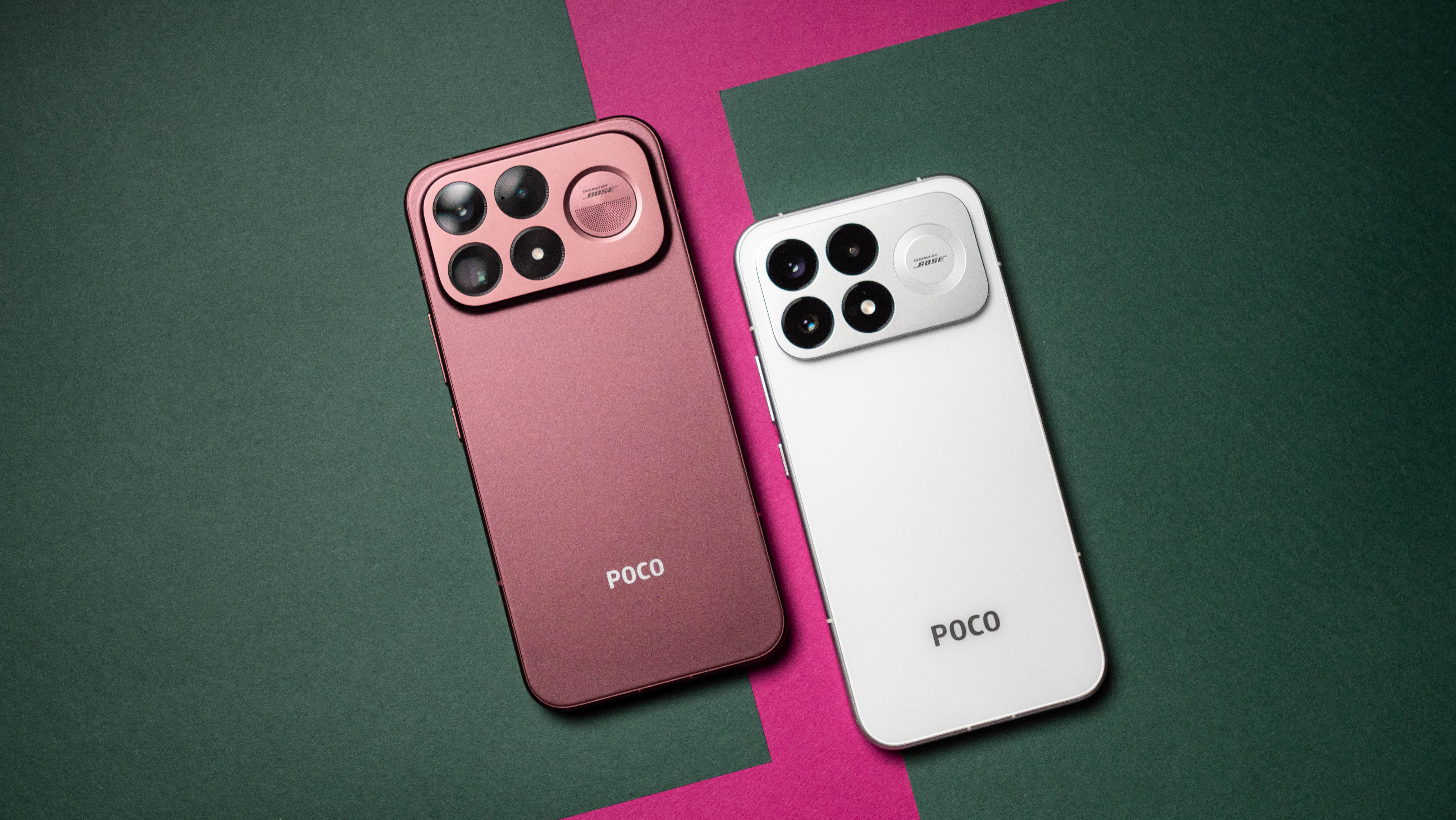
All things considered, POCO has another winner in the F9 Ultra - the phone has reliable internals and cameras, standout battery life, and looks great. The software is annoying, but that's the case with every Xiaomi phone until the brand rolls out its long-overdue redesign, and for what it's worth, I prefer using POCO phones to Xiaomi or Redmi models in this category now. If you need a value flagship in 2026, the F9 Ultra is now one of the best choices.