The world's thinnest portable SSD is just as impractical as you think
I like portable SSDs a lot, and I have one always on hand in my EDC tech bag. I look for two things in a portable drive: fast transfers, and long-term durability. I don't really think about the size or weight, as SSDs tend to be smaller and lighter than mechanical drives anyway.
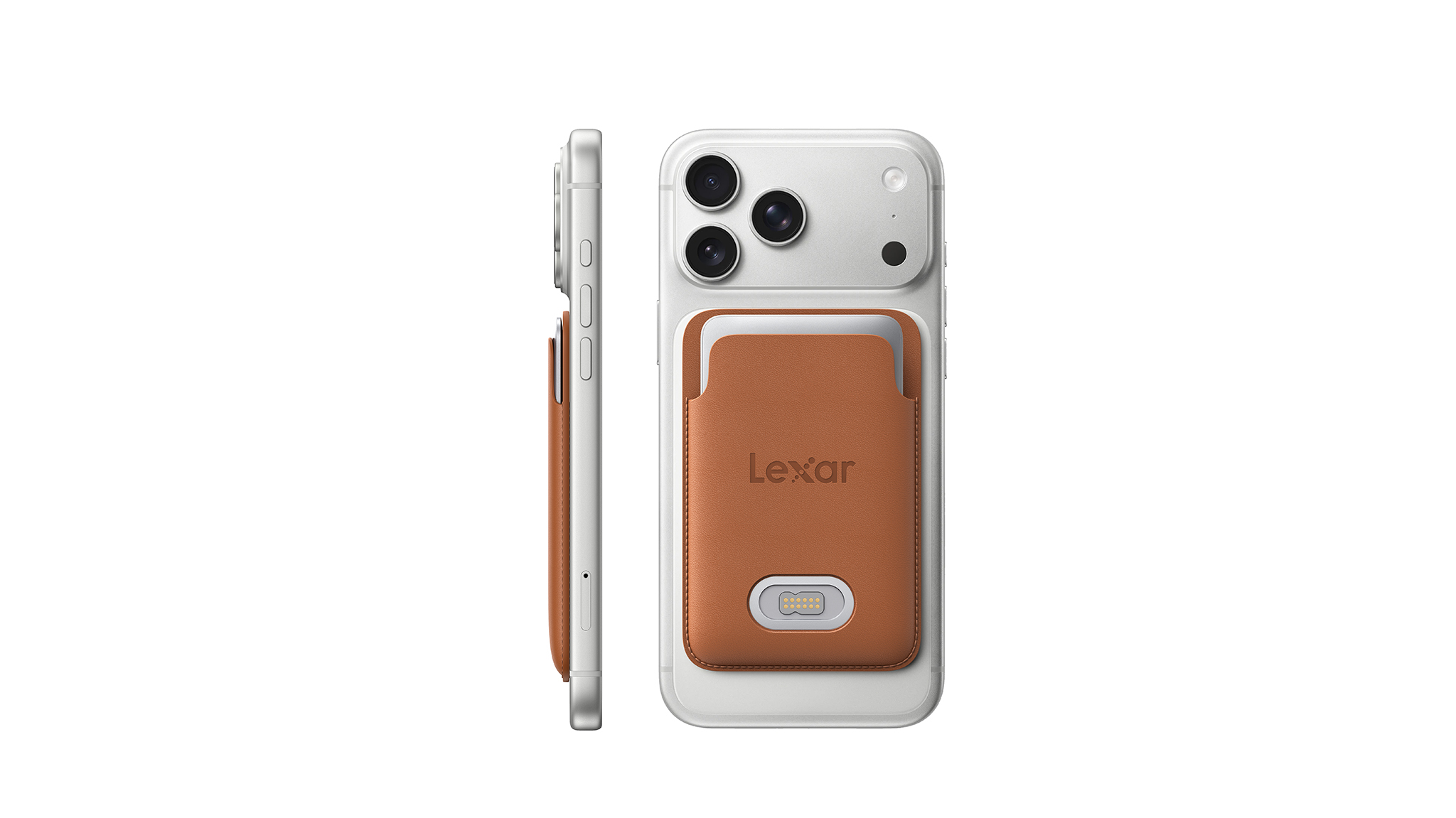
But Lexar clearly felt like this was an area to focus on for its next SSD, the Muse. Dubbed the world's thinnest SSD, the Muse is 3.8mm at its thickest point, going down to just 1mm at the edges. Lexar says it used an "ultra-thin PCB architecture, high-density NAND stacking, and an integrated internal structure" to maximize the internal space.
 Lexar
Lexar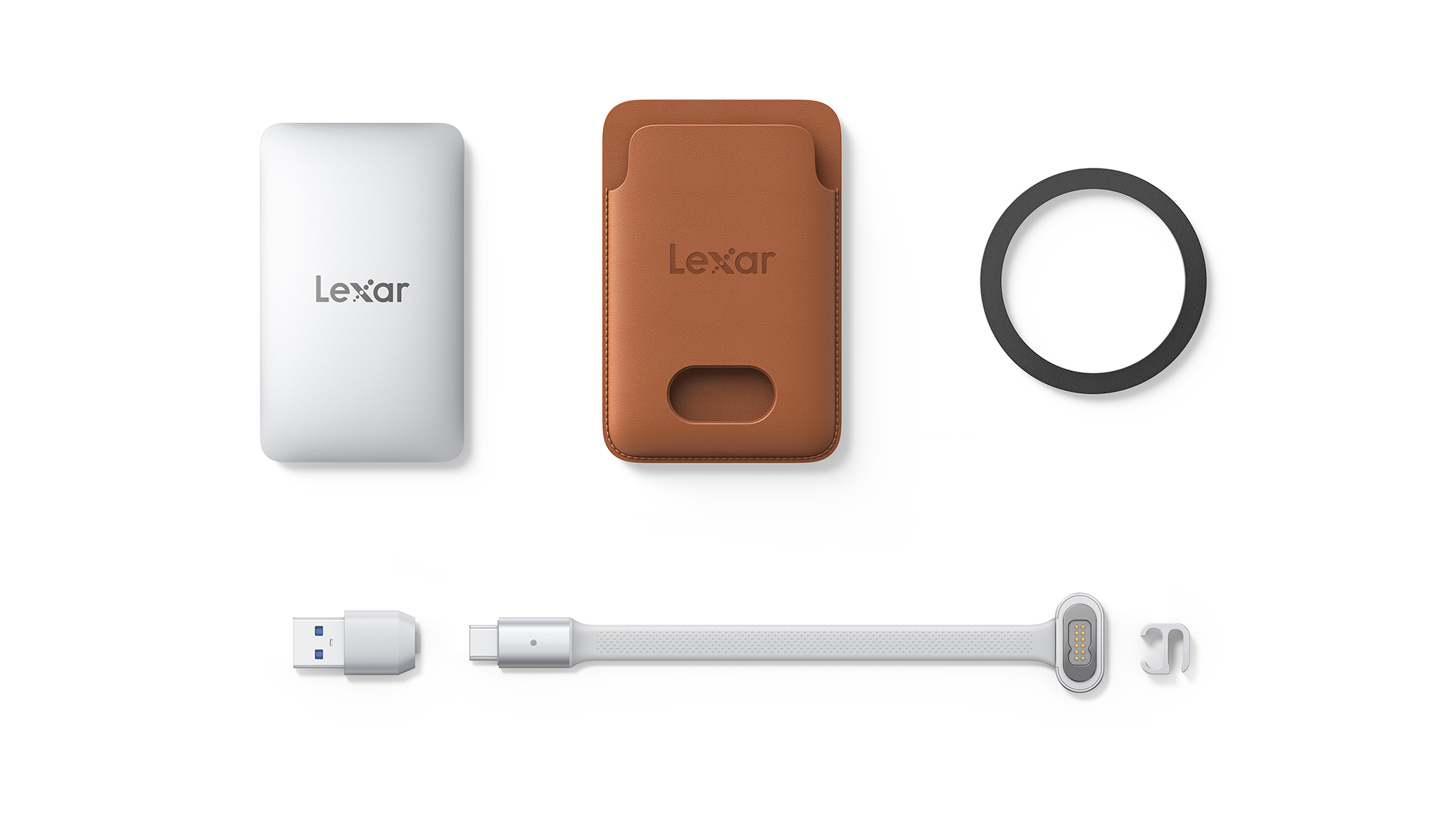 Lexar
LexarThe Muse has 1,050MB/s read and 1,000MB/s writes and can handle ProRes content at 4K120, which is in line with most portable SSDs. What isn't usual is the connector; instead of a regular USB-C port like every other SSD, the Muse uses a proprietary PogoPin magnetic connection, and you'll need to use the bundled cable in the box to connect the drive to your phone.
Oh, and it doesn't have the requisite magnets built-in (obviously), so you'll need to put it in a magnetic carry sleeve to attach it to a phone. Lexar notes portable SSDs can add "bulk and cable clutter," so it created the Muse to deliver a more "considered approach." It doesn't quite feel that way when you consider that you have three things to manage when using the Muse: the SSD itself, the magnetic sleeve, and the proprietary cable, which will inevitably get left behind when you're out and about.

I just don't get the need to tech industry's obsession to make products thinner. A regular-sized portable SSD doesn't have these limitations, and if anything, I like using drives like the LaCie Rugged SSD4, which are chunky but can take an absolute beating. The Muse adds a layer of complexity you don't need in a storage device, and that's before you factor in overheating. With such a small size and a sealed chassis, where does the heat go? There doesn't seem to be any room to manage the heat that builds up in a drive, so it will likely get quite hot when moving data.
Anyway, the Muse is coming out in Q4 2026, and it will be sold in 512GB and 1TB variants. Lexar didn't share pricing details, but it is bound to be on the higher side. Don't want to wait that long to get a magnetic SSD? This is the one I use.