5 reasons the Pixel 11 Pro XL is my daily driver
I've always enjoyed using Pixels, and that hasn't changed in 2026. I switched over to the Pixel 11 Pro XL from the Find X9 Ultra, and while Google doesn't have the best cameras or battery life, the 11 Pro XL is meaningfully different to its predecessor - something I realized after two weeks of use.
I have all major phone releases of 2026 on hand, but it's the Pixel 11 Pro XL that houses my SIM card. I obviously like Google's vision of Android, but the 11 Pro XL excels in a lot of other areas, so I'm outlining five reasons why the phone is now my daily driver.
There's a lot to like with the software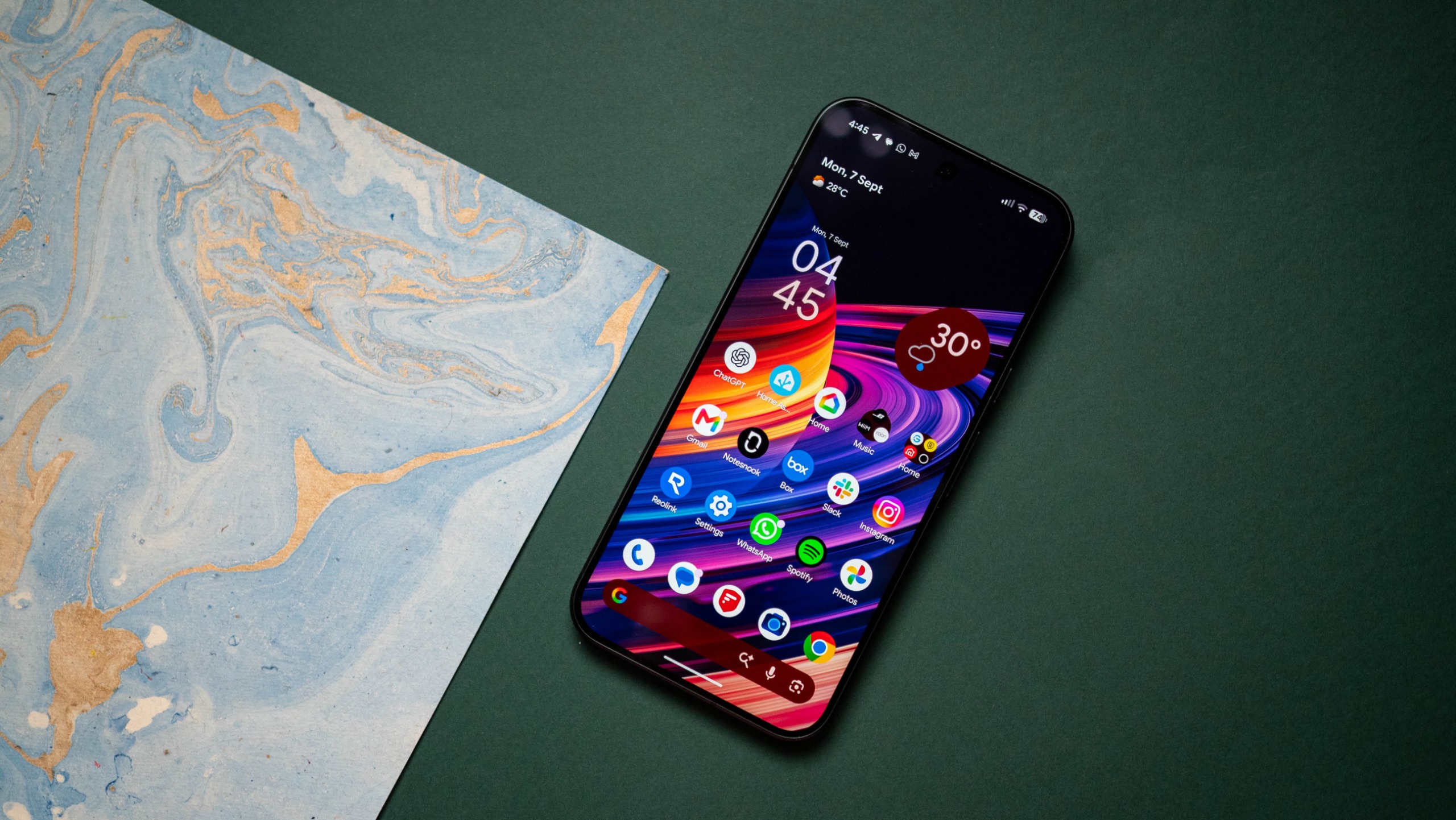
I'm not a big fan of AI in general, and Google's insistence of shoving AI-assisted features into every nook and cranny of its software is a bit tedious. That said, Proactive Intelligence does a good job providing contextual information, and Rambler in particular has made me use voice dictation again - I like just how easy it is to take notes. There's no doubting that the Pixel 11 Pro XL has the best on-device AI suite of any phone.
Even if you don't plan on using any of these AI features, there's a lot to like with the software. The interface is clean and modern, and you get extensive customizability when it comes to styling it to your tastes. I get that not everyone's a fan of the Material you aesthetic, but I like the vibrancy of the UI, and it's great to see Google constantly roll out new features.
The hardware is actually good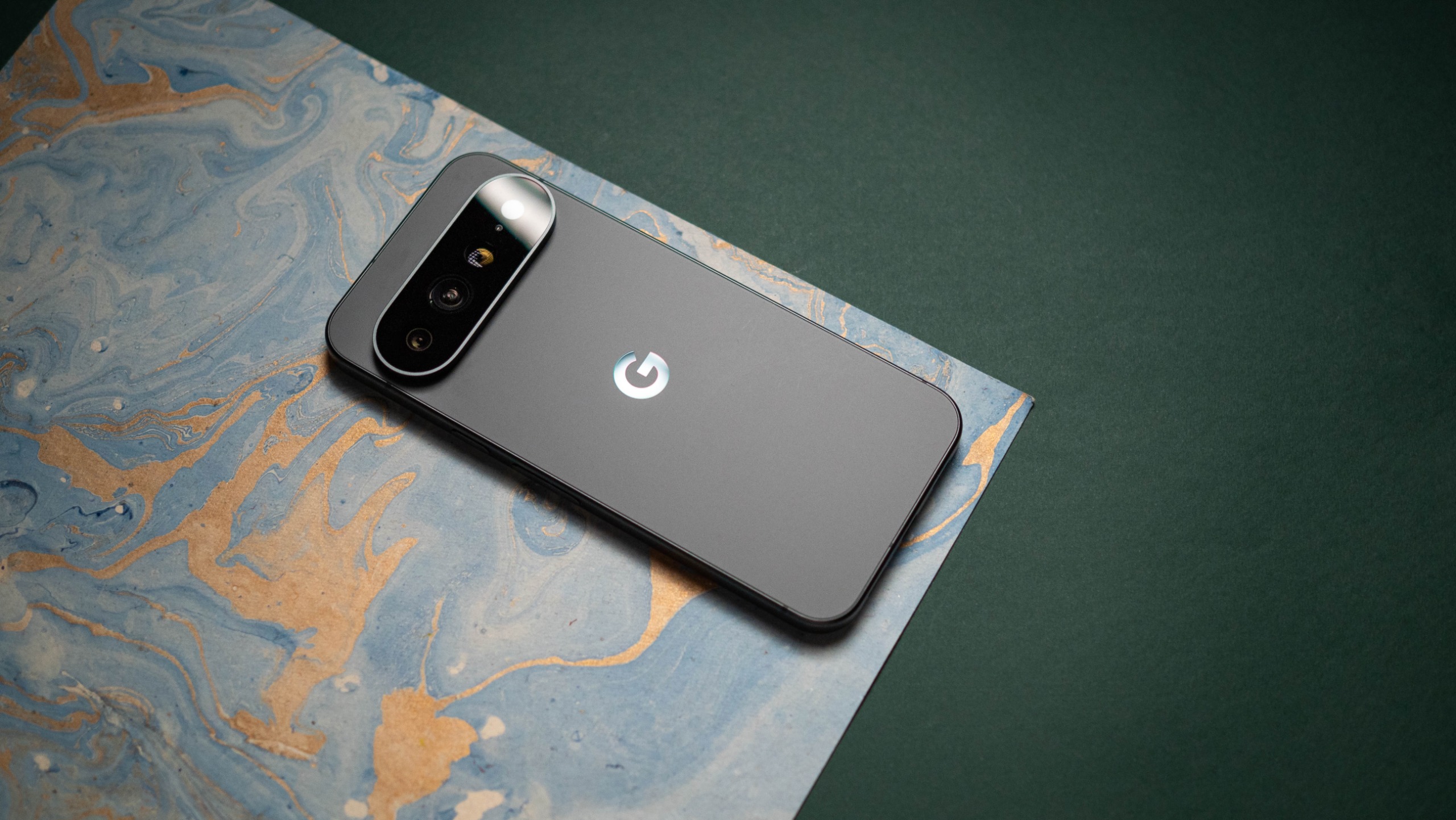
It's annoying that Google's Tensor efforts have focused so heavily on the NPU that it ignores baseline performance, but the Tensor G6 is better than previous models. It still isn't quite as fast as the latest-gen Qualcomm and MediaTek rivals, but it is better in day-to-day multitasking, and there is a noticeable difference in the overall fluidity. The G6 still struggles with visually-demanding games, but in all other scenarios, it is a pretty reliable platform.
The 6.8-inch OLED panel, on the other hand, is one of the best around. It has great colors and gets brighter than most phones I used in 2026, and it held up astonishingly well in India's punishing heat. The 11 Pro XL doesn't have high PWM dimming - unlike Chinese phones - so if you're sensitive to it, you should get the Find X9 Pro or Vivo X300 Pro.
Cameras are better than I thought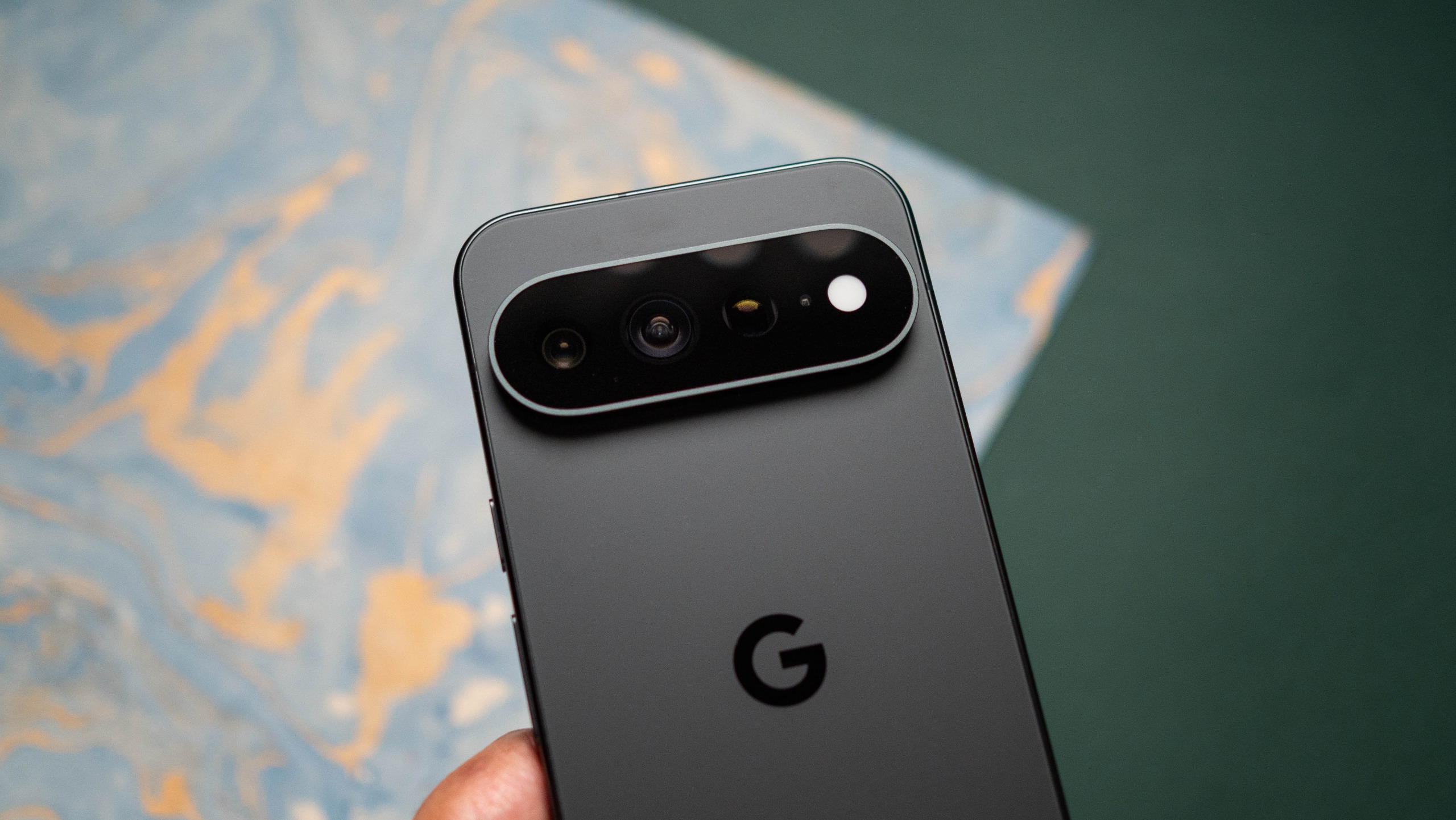
While earlier Pixels had the best cameras, that hasn't been the case for a while now. Thankfully, the Pixel 11 Pro XL makes amends in this area, and the new sensors combined with camera tuning tweaks deliver much better photos and videos.
Image quality in general is better than last year, and while the 11 Pro XL may not be as good as the Find X9 Pro or Vivo X300 Pro, it stands above the S26 Ultra and iPhone 17 Pro. I like Camera Looks a lot as it gives me plenty of flexibility in tailoring my photos.
Magic Capture in particular is a standout addition; it does a great job producing clean photos of fast-moving subjects, and I used it extensively in the last two weeks. While it isn't new, Add Me is a feature that gets a lot of usage.
Qi 2 continues to be a big deal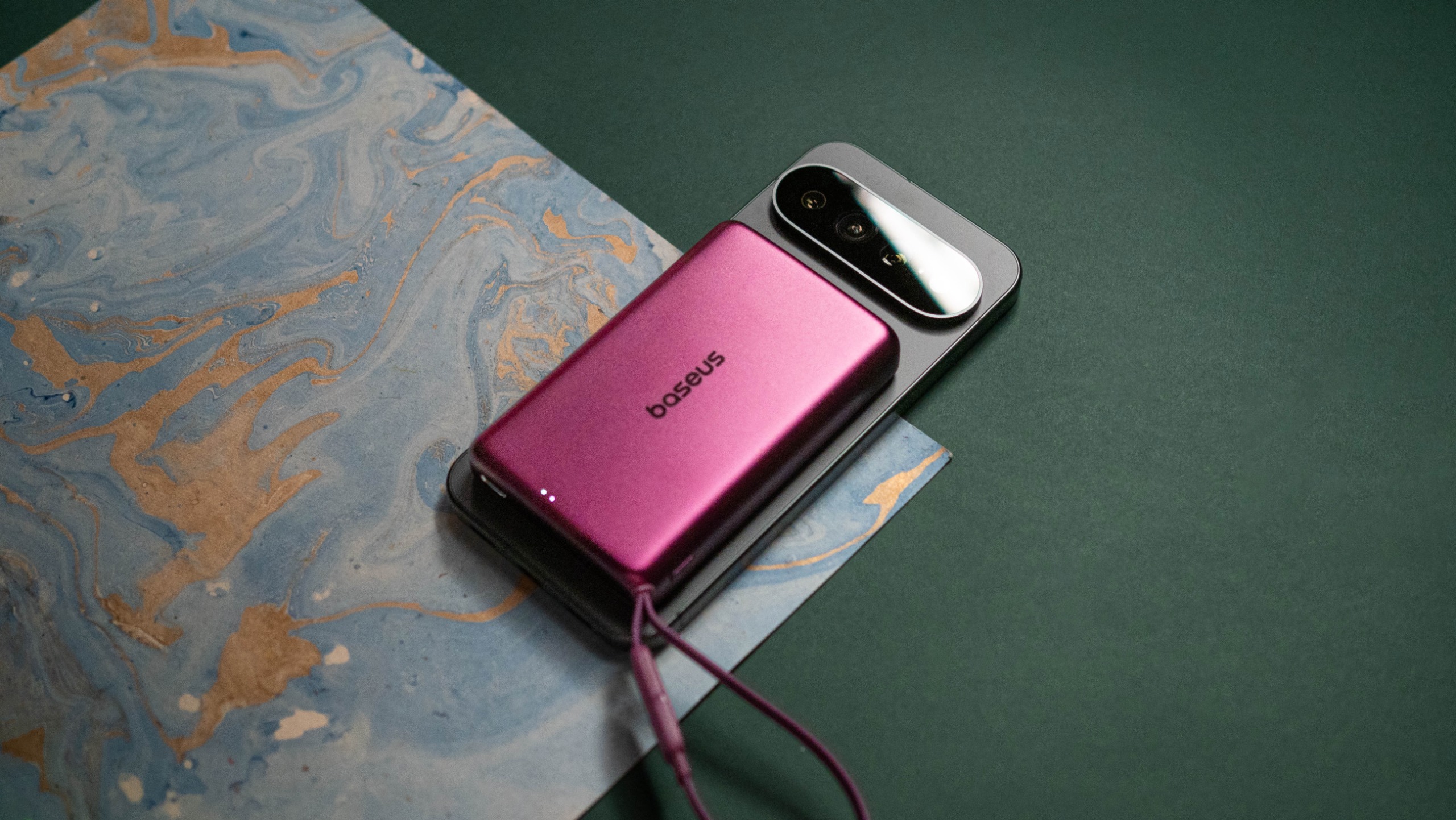
I only started using Qi 2 in earnest last year, and a lot of that had to do with the Pixel 10 Pro XL. I don't use cases in general, so to have Qi 2 magnets integrated into a phone body made using the tech all the more easy, and it's great to see Google continue this in the Pixel 11 Pro XL.
While 25W charging isn't a lot - particularly when there are phones that charge at 80W - the convenience is hard to counter. There are so many sleek Qi 2 power banks these days that I always have one on hand to use with the 11 Pro XL when I'm outdoors.
The battery life in general is good enough that I don't need to charge the phone before the end of the day, but if I'm shooting outdoors and need to top up the battery, this comes in handy. Also, it's just easier to plonk the 11 Pro XL on a Qi 2 charger on my desk (like the Nomos 245W) than plugging in a cable.
It's great to hold and use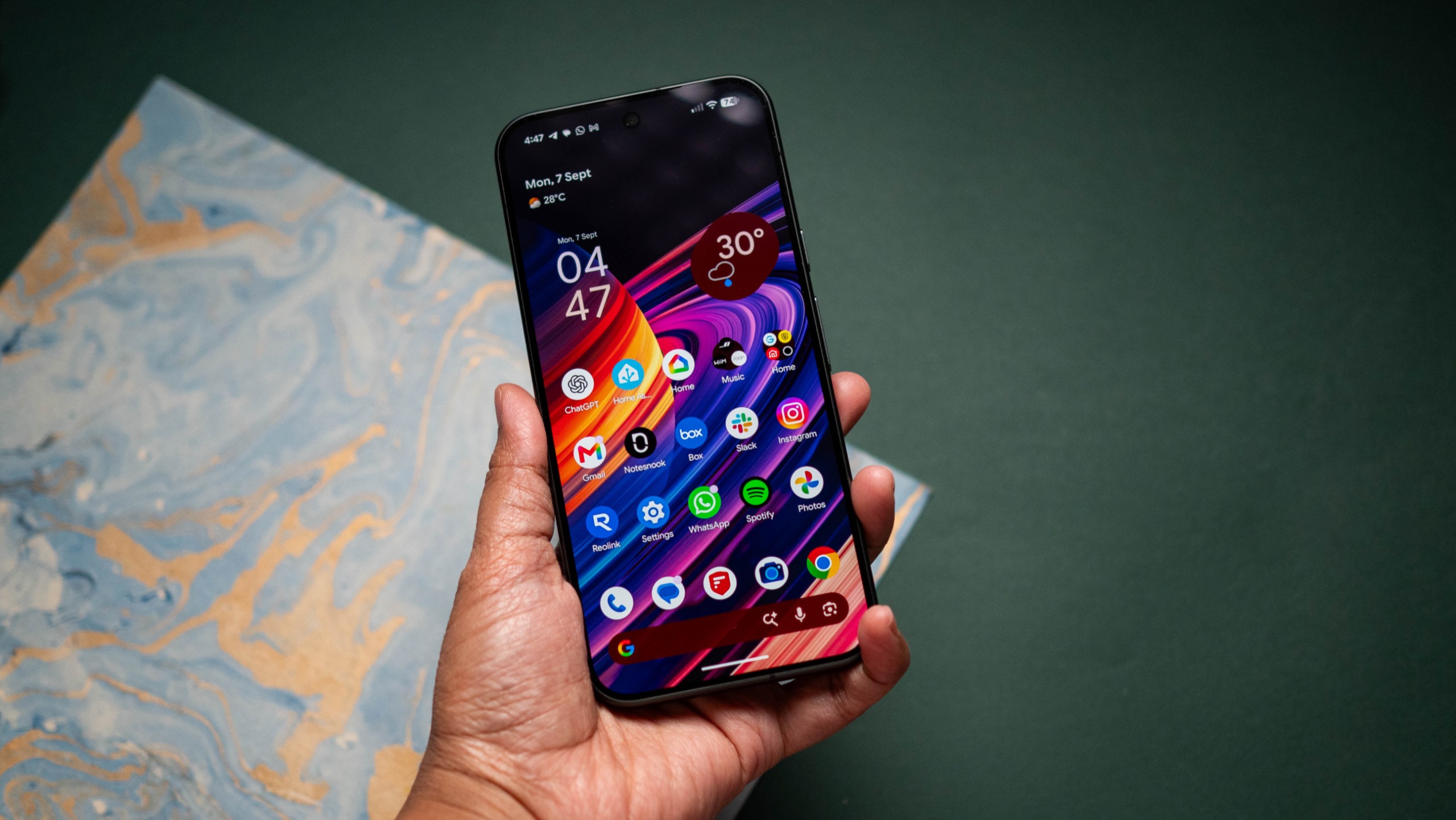
I like Google's hardware design, and the Pixel 11 Pro XL looks clean and elegant. The new camera bar is modern, and it doesn't jut out too much from the body. Best of all, there's no wobble when using the 11 Pro XL on a table (take note, Samsung).
But in classic Google fashion, the brand doesn't have all colors in all storage sizes (outside the U.S., at least), so I got the 512GB variant in Obsidian. I much prefer the look of the Canyon model, and if you're considering getting the 11 Pro XL, that is the color to buy.
The phone has similar dimensions to its predecessor, but it is a little lighter, and the tweaks to the design make it easier to hold and use. Day-to-day durability is excellent; the phone took six tumbles - two onto a tiled surface - and came away unscathed.
I didn't use the Pixel 10 Pro XL as much as previous Pixels, and that's because other brands made bigger strides this year. Chinese brands have much better cameras - the Find X9 Pro, X9 Ultra, Vivo X300 Pro, and X300 Ultra are on another level - but the software wasn't anywhere as good to use as a Pixel. That isn't the case in 2026; ColorOS and OriginOS have gotten a visual makeover, and they combine a modern UI with extensive customizability and fluidity; they no longer feel like second-best software.
That's one of the reasons the Find X9 Pro and X9 Ultra became my most-used devices of 2026. Having said that, the Pixel 11 Pro XL is still better when it comes to the software, and I like that the cameras are no longer the limiting factor. I'm not saying that the phone is without issues; the battery doesn't last two days, and you don't get anywhere as much power as Chinese phones that use Qualcomm and MediaTek silicon. In spite of all that, the Pixel 11 Pro XL is a great choice if you value clean software and cameras that are fun to use.
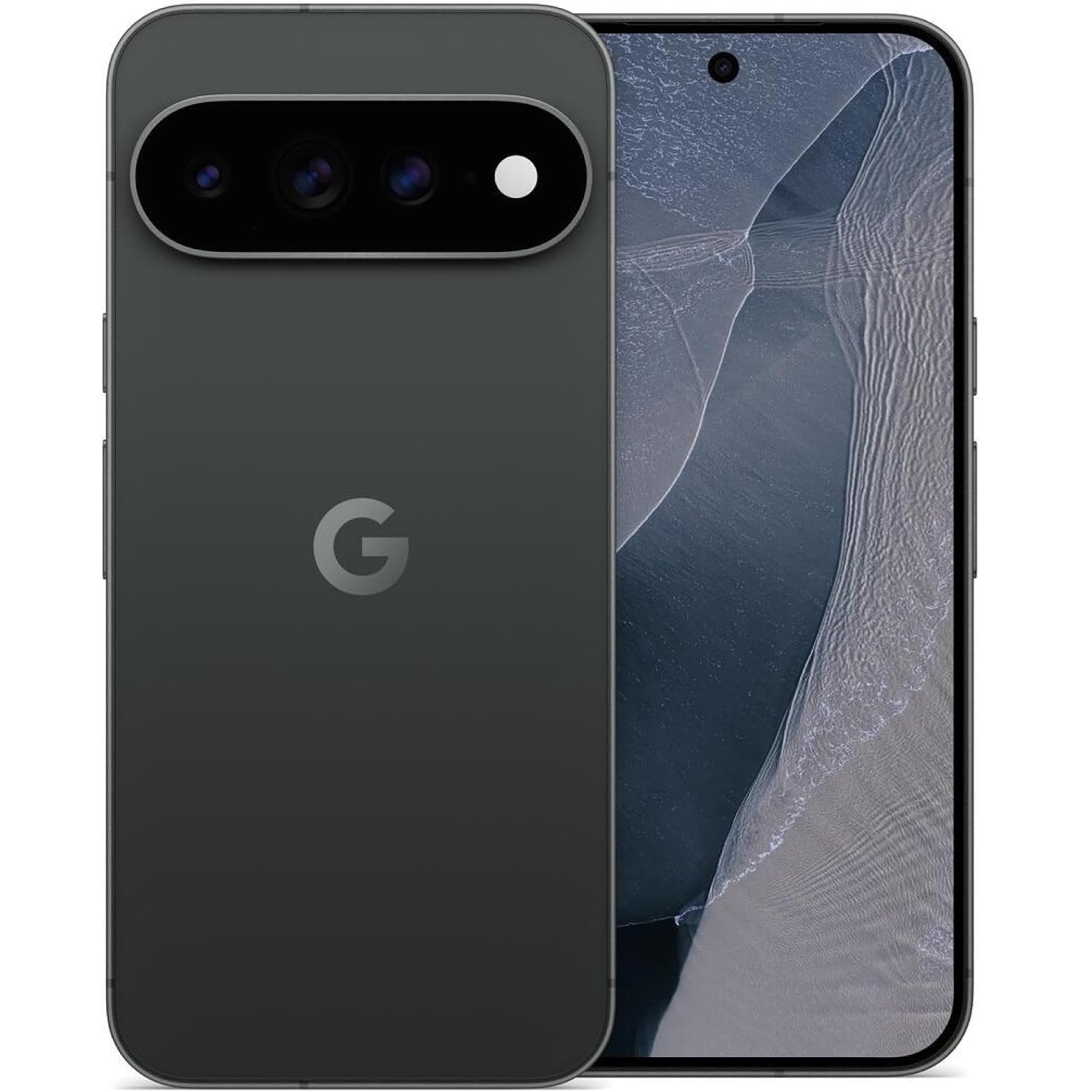
The Pixel 11 Pro XL is meaningfully different to its predecessors, and the combination of clean software and great cameras and better battery life make it a good all-rounder.