'We heard you, we heard media, we heard analysts': Motorola talks about why now is the time North America needs its premium Signature 27 phone
Earlier this week at Qualcomm's annual Snapdragon Summit, Motorola surprised many people by announcing that the flagship Signature 27 is coming to North America. This is a big deal because the last-gen Motorola Signature didn't make its way stateside, despite being pretty well received for its premium design and excellent cameras.
Interestingly, this is also the first time I've seen Motorola at Snapdragon Summit as a featured OEM, which suggests Motorola is really excited about the Snapdragon 8 Elite Extreme Gen 6 and its capabilities.
I sat down with Nicole Hagen, the executive director and head of Global Product Marketing at Motorola, to talk about why now is the right time for Motorola's return to traditional smartphone flagships and what we can expect from the Signature 27.
Motorola has heard us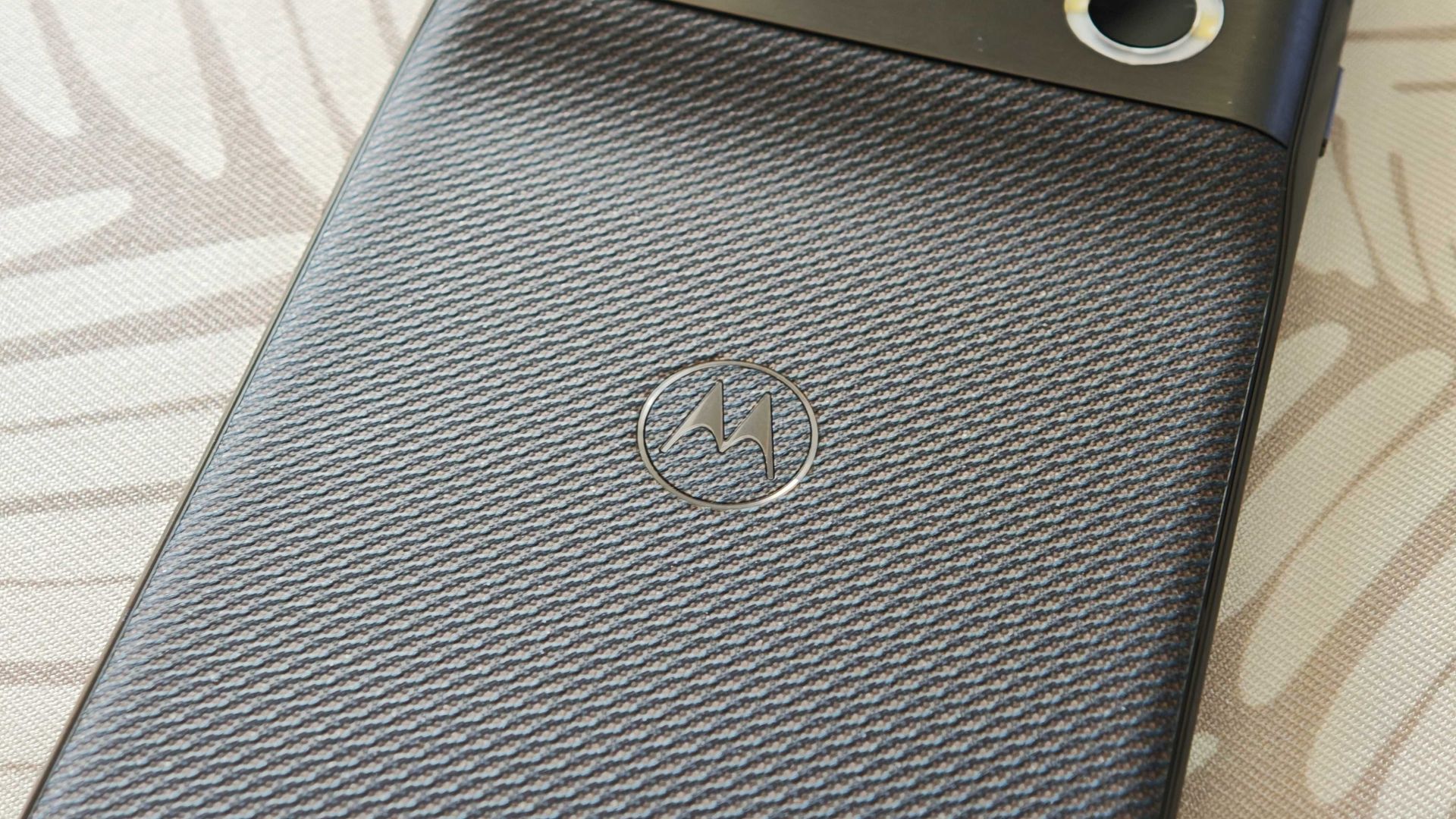
Motorola has always taken a regional approach to its device launches. Many devices that come to Europe or Latin America aren't available in North America, and vice versa. As a result, we miss out on plenty of models, including flagships like the original Motorola Signature, which disappointed me and many others. However, Motorola seems to have gotten the message loud and clear.
"We heard you, we heard media, we heard analysts, and I'll be honest, we even heard from a lot of customers in North America on kind of popular feedback forums that they were disappointed," Hagen told me.
"We felt that this year we have the right product with the right specs, with the right capabilities and experiences, and we think that this product is really going to resonate well amongst users looking for a premium flagship phone and perhaps something a little bit different than what they've been offered over the last few years."
She tells me Motorola even saw Signature devices registered in the U.S. that were purchased in other regions, which underscores demand for the phone.
In a way, it makes sense that Motorola would be a bit conservative with its flagship strategy for traditional smartphones, given Samsung's dominance in North America with the Galaxy S series. Over the last few years, Motorola has focused on the Razr flip phones and, more recently, the Razr Fold, which consumers have received well. Only recently has Motorola begun adding top-tier chips to its Razr series.
But now, Motorola appears more confident in its premium smartphone offerings. Hagen tells me that last quarter, Motorola had its best quarter ever by revenue: "15% year over year, and the majority of that growth, of course, was driven by premium products." Clearly, there's a hunger for more high-end Motorola phones, and not just foldables.
What we know so far about the Motorola Signature 27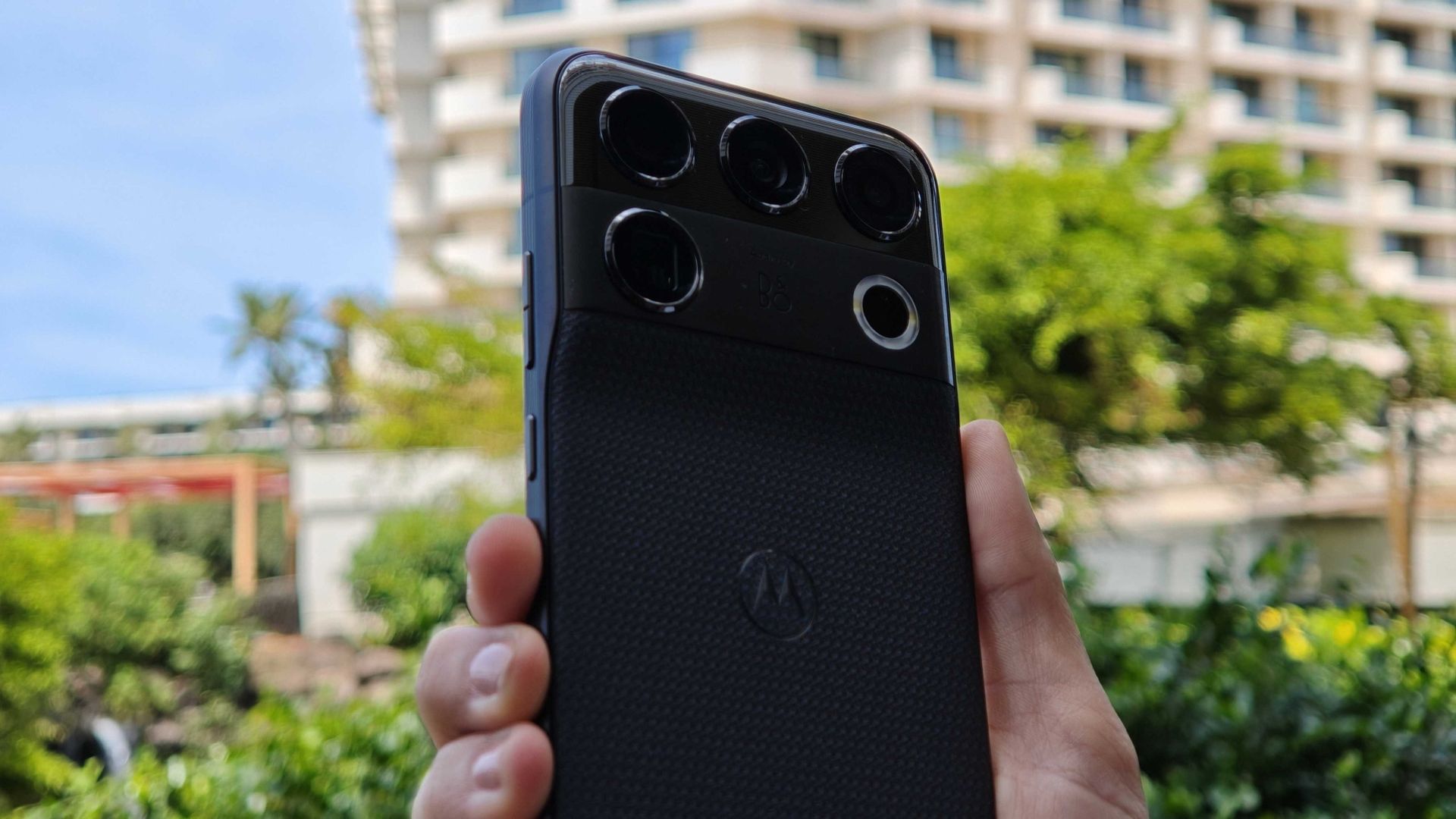
This year, Motorola skipped the higher-end Snapdragon 8 Elite Gen 5, opting instead for the lower-end flagship chip on the Razr Fold. It still performs well, but based on what we know about the Snapdragon 8 Elite Extreme Gen 6, the Signature 27 should be a powerful smartphone.
"What I'm most excited about is that the chipset is unlocking a few things for us," Hagen explains. That includes faster, more reliable performance, more helpful AI, and stronger connectivity. She highlights that "one of the big pillars for this franchise is an incredible camera system, both driven by hardware and software, with this common thread of needing to have an incredible global platform supporting it."
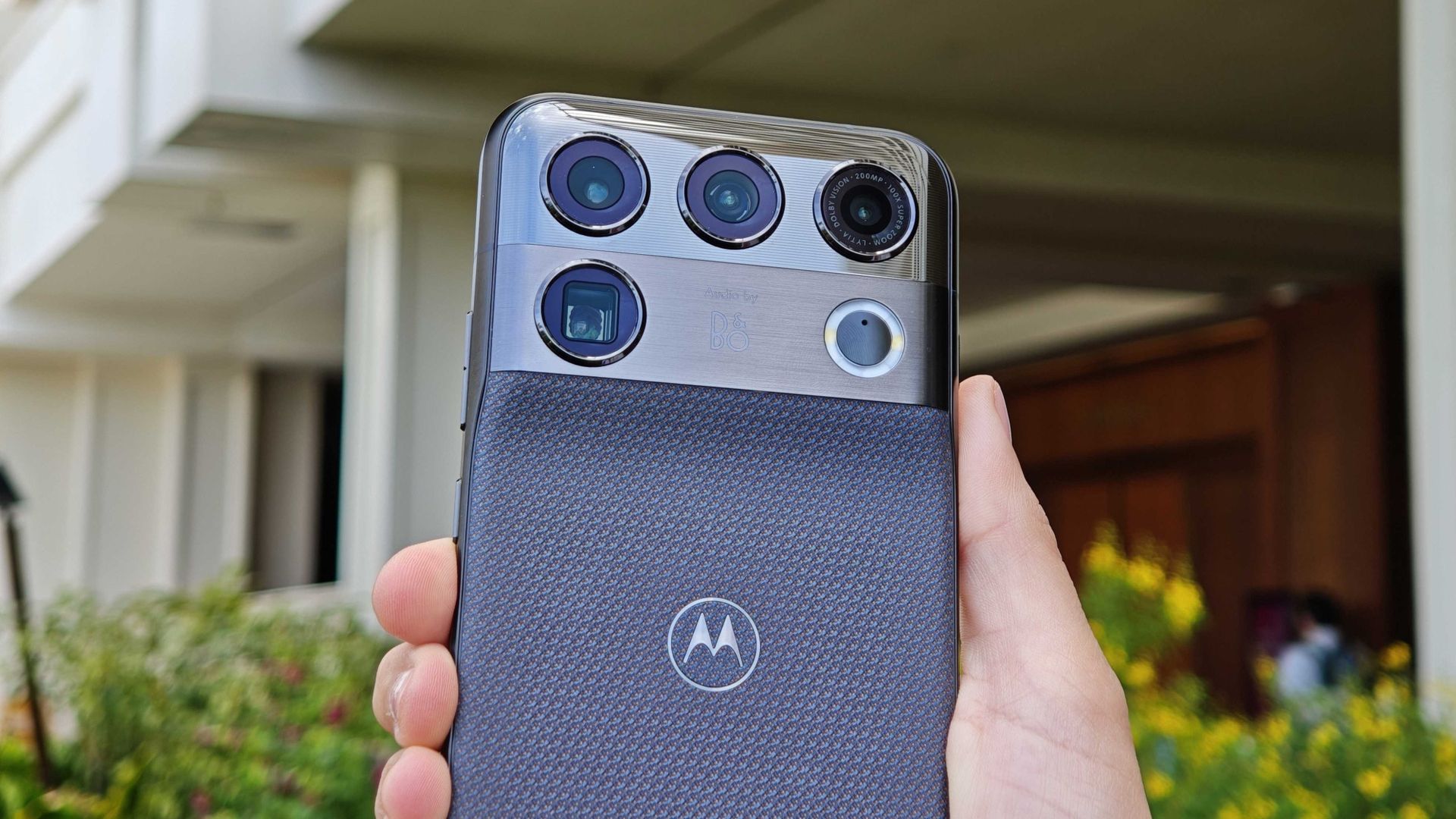
The Motorola Signature 27 comes with a few camera sensors, but has only disclosed the primary 50MP Sony Lytia 910 and the 200MP periscope telephoto lens.
She explains that when testing phones like the Signature 27, Motorola goes through several rounds with its own engineers and Qualcomm's engineers to fine-tune Snapdragon's image-processing AI and stabilization.
"We have a couple more rounds of work to do before, of course, we announce and launch the product. But we expect an exceptional DxO result that will help validate the overall experience."
In fact, she teases that even after one major round of camera testing, the Signature 27 is already proving to outperform the Razr Fold, which got high marks among foldable camera systems and has quickly become one of my favorite overall smartphone cameras.
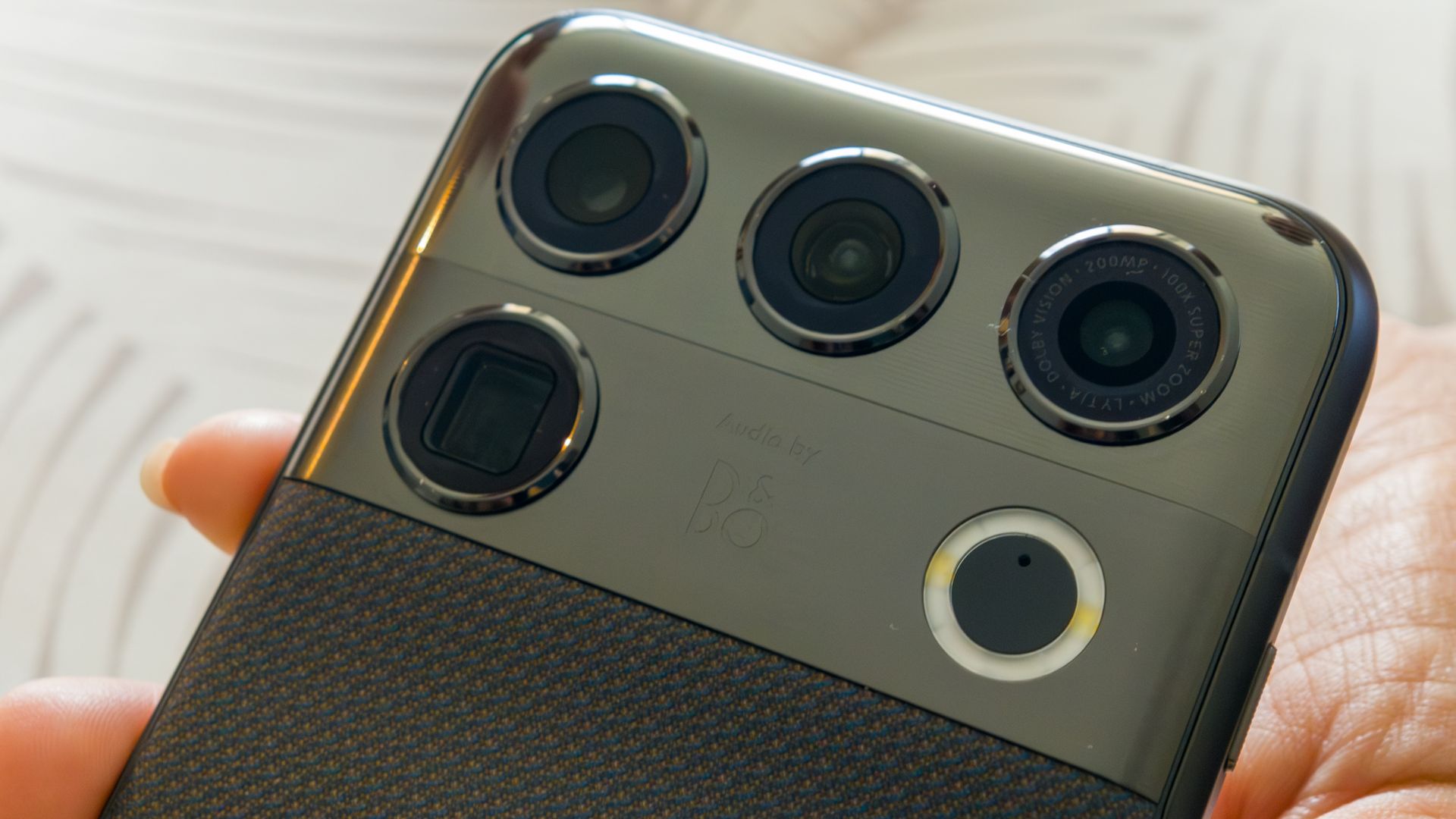
Beyond the camera, Motorola is also partnering with Bang & Olufsen to enhance the audio experience. This multi-year partnership builds on Motorola's ongoing collaboration with Pantone and will bring B&O audio to Motorola's premium devices.
When asked why these partnerships matter, Hagen says Motorola doesn't have an ego and knows it doesn't have to do everything itself.
"We aim to partner with best-in-class partners that we know do it the best, and then partner with them and leverage their strong capabilities. It enables us to bring better capabilities to our end users more quickly."
As for what B&O brings to the table, "Obviously, they're a premium brand. They've been around for over 100 years, and they are able to help us through in the same way that we're doing the tuning on the back end with the camera. We're doing the exact same thing for sound."
New Moto, who dis?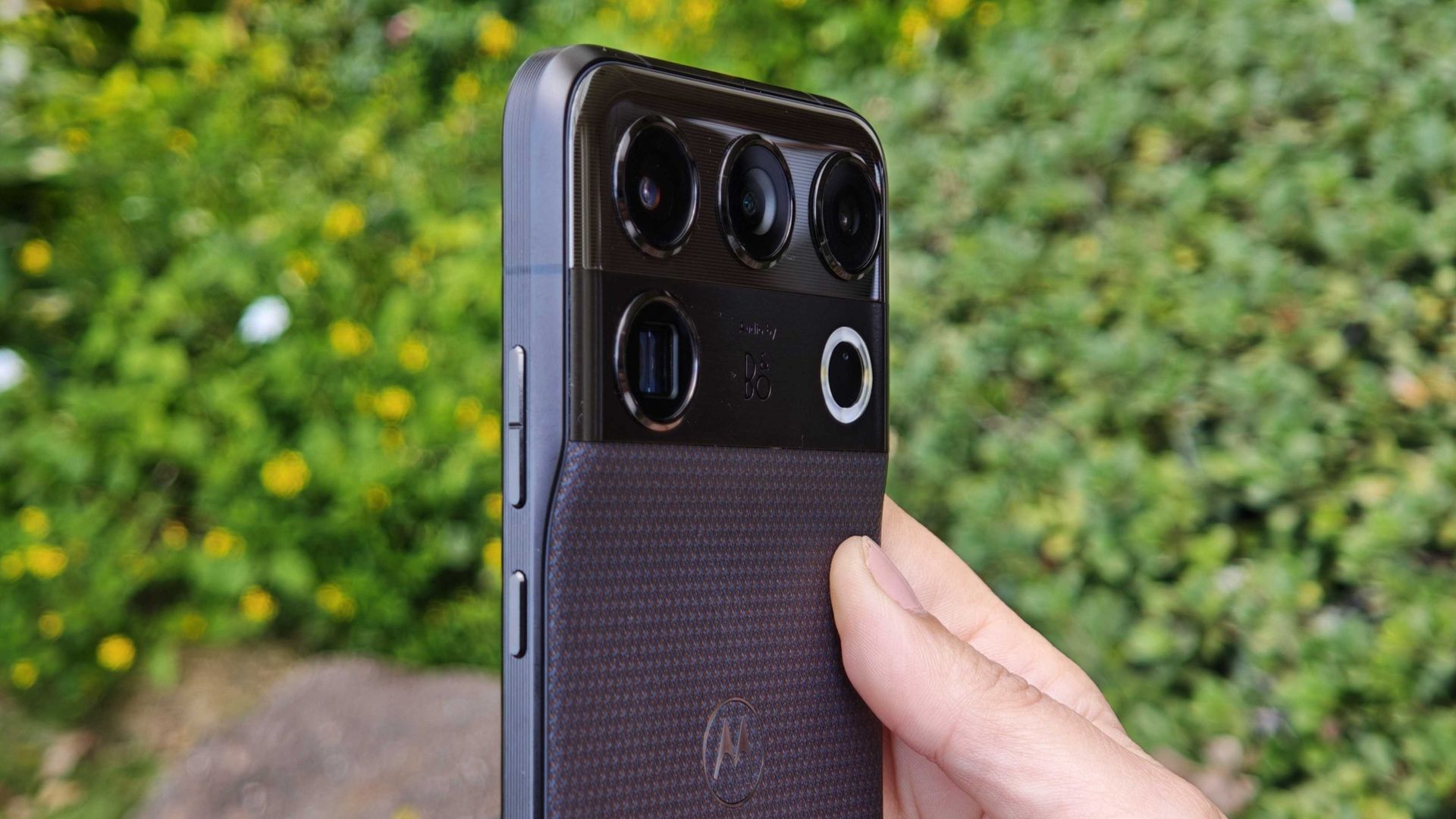
A new chip, exceptional cameras, and a B&O partnership all come together to create a premium experience, but it also needs a premium design. This year, Motorola is switching up its design language to something that I originally found divisive.
The Motorola Signature 27 has a top-mounted camera housing with five distinct circles making up its camera sensors and a flash unit. I'm not gonna lie, when I first saw the Signature 27, it triggered a sense of tryptophobia that I haven't felt since the Nokia 9 PureView. But the more I look at it, the more I like it, and Hagen says there were some internal debates about how the cameras should be arranged.
"As you can imagine, this was a very popular one for internal debate, and everyone had their own subjective opinion," she explained.
"In some cases, many of the designs....kind of lean maybe into one specific gender. This one resonated with both."
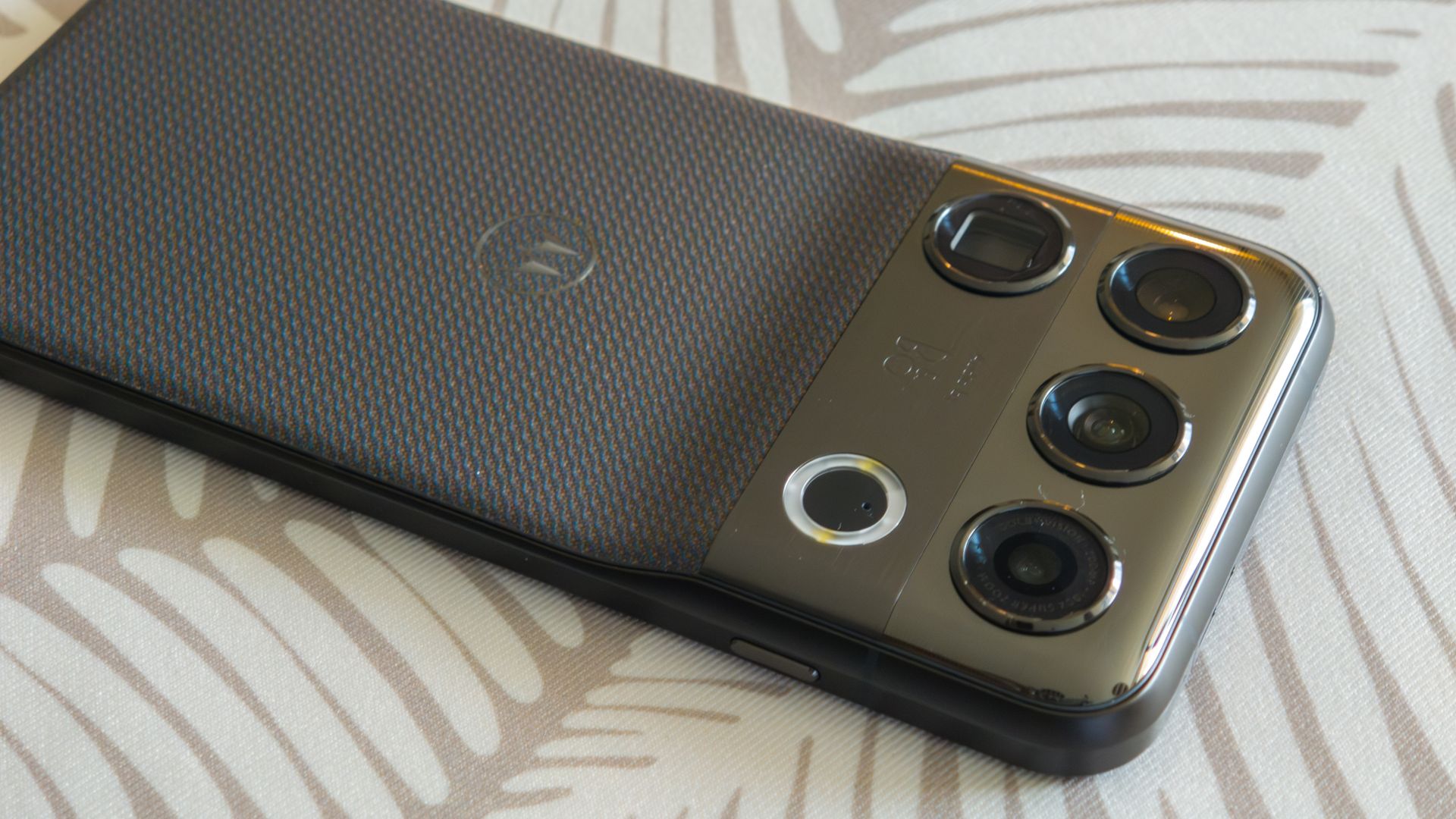
One good thing about the camera housing (something we can all agree on) is that it doesn't protrude from one side of the phone, as Motorola phones have done over the past several years. As Hagen highlights, it's very balanced, not just visually, but physically. "There's no teeter-totter back and forth, and that was very, very well received."
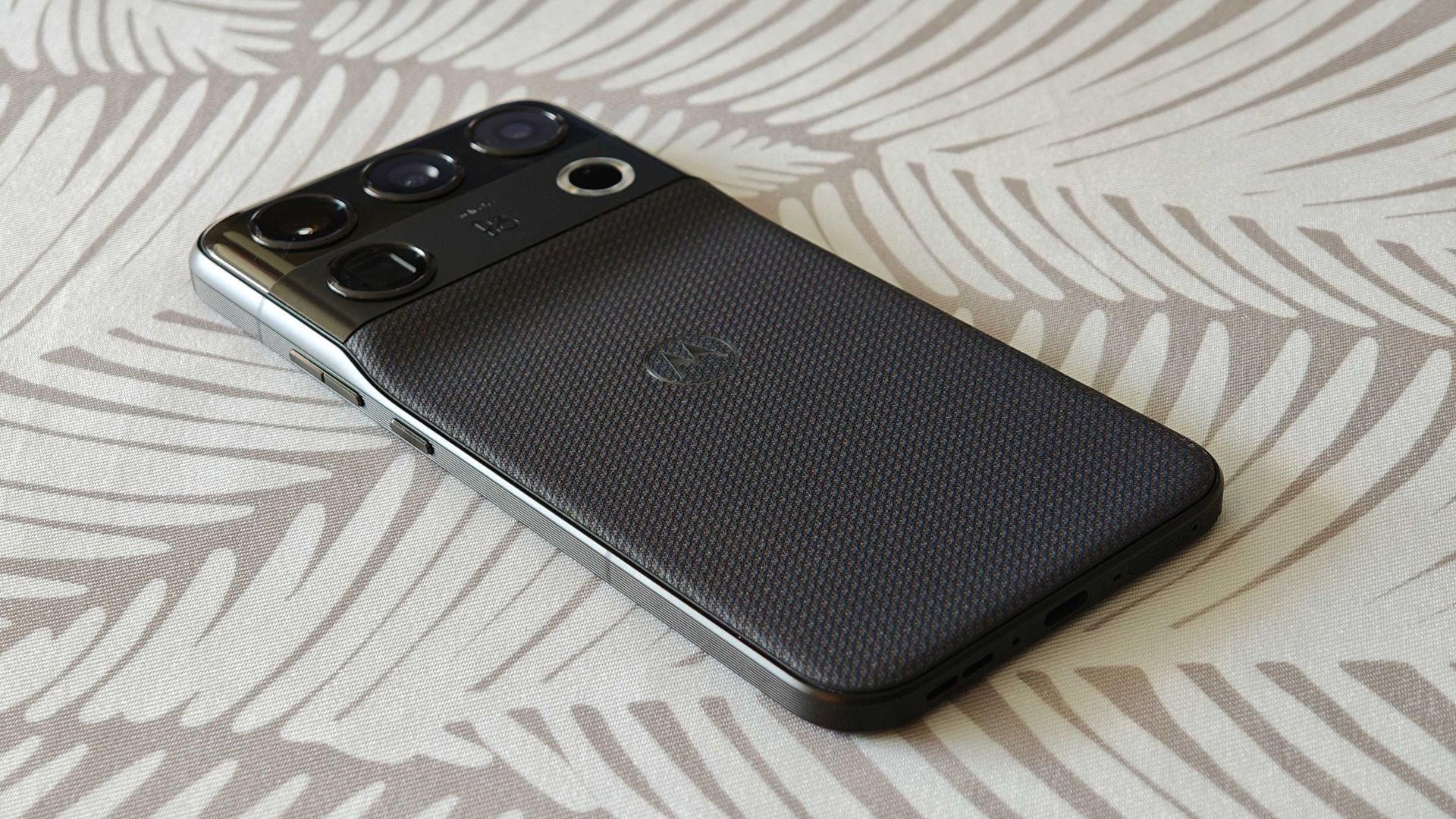
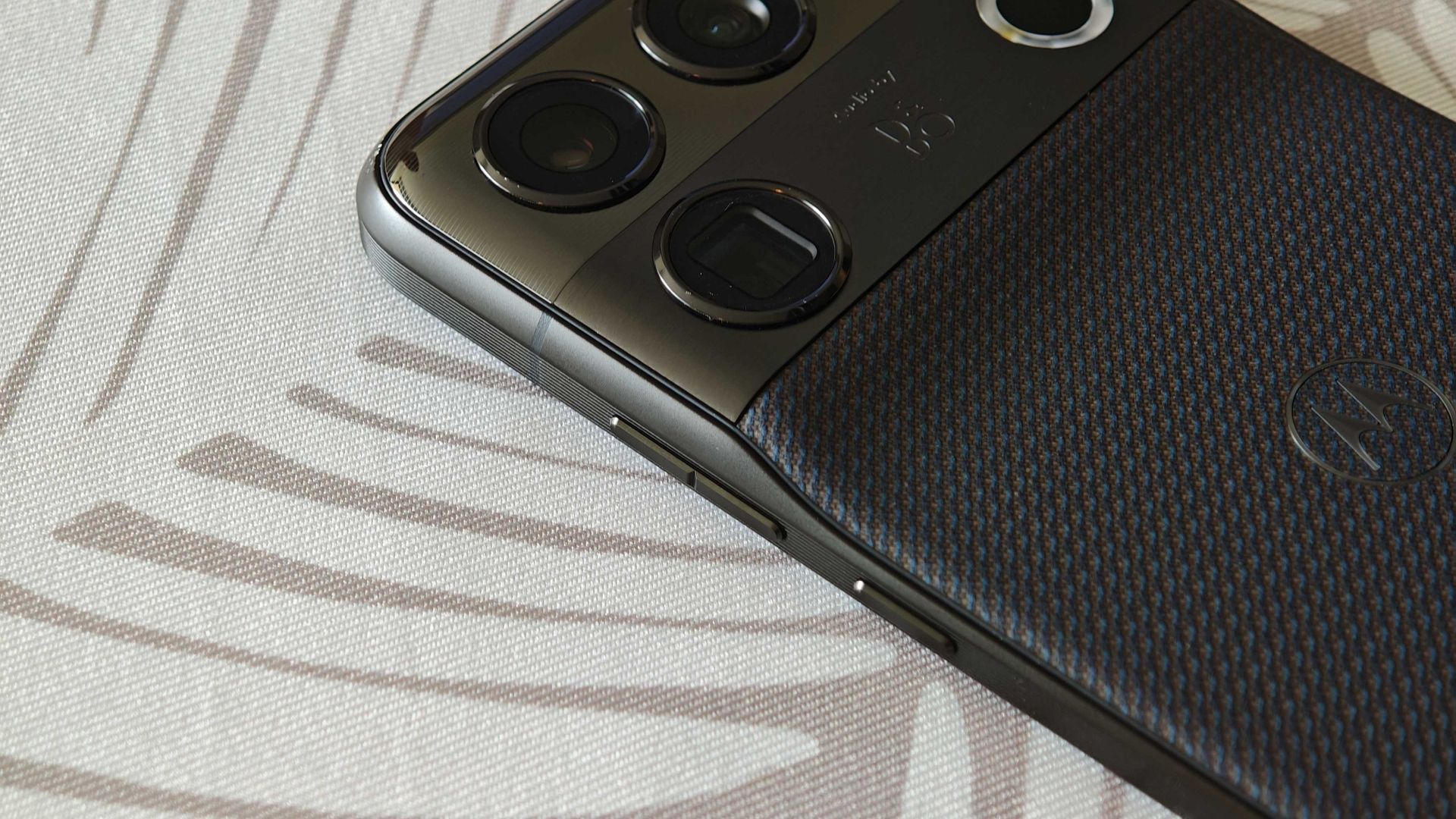
The phone comes in two colorways: a grippy, black woven texture and a soft, green brushed textile-inspired finish. I didn't get to hold the phone, since it's not 100% final yet, but the Pantone Coal Smoke looked great, and the phone is quite thin, with premium-looking buttons on the frame. The camera housing also features two different textures: ceramic and brushed aluminum, for a very distinctive look.
Then, there's the name. In recent years, Motorola's naming convention in North America has included the full year after the product name, but this year it's simplified to the last two digits. It's a small change, but it's reminiscent of what Samsung does with the Galaxy S series, and I think it should resonate more with consumers.
In fact, Hagen says Motorola looked to competitors and the automotive industry for inspiration for the new naming scheme.
"We wanted something that was simple, clear, and easy to understand," Hagen told me. "Because the purpose of a generation is to indicate newness to folks that are considering a new product. To make it clear, as consumers are trying to, at or post-purchase, buy an accessory that will be compatible."
More to come... soon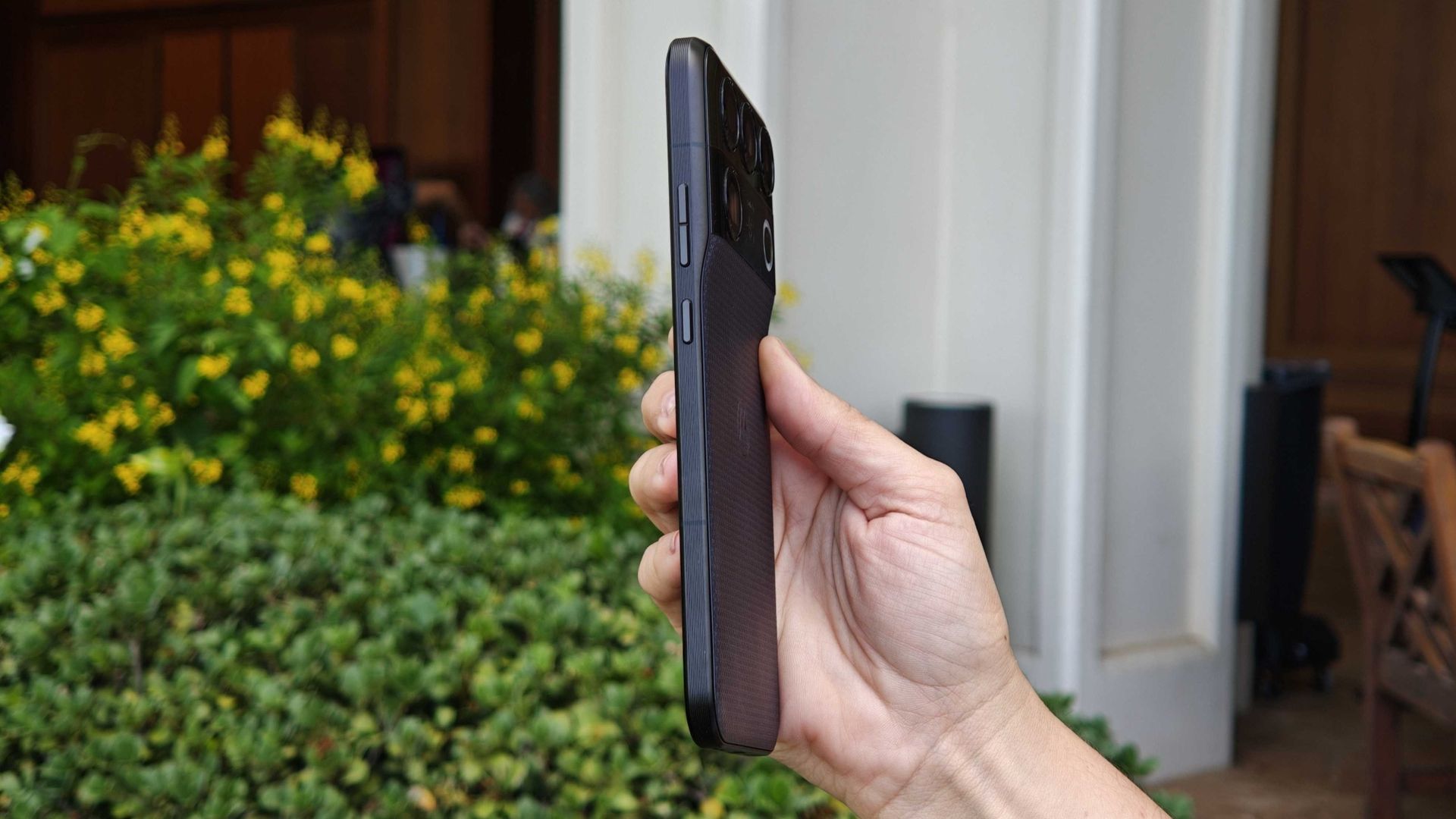
The Motorola Signature 27 is launching globally this year, and while Motorola is remaining tight-lipped about the launch date and additional specs, it's clear that Hagen and company are very excited about the device.
"When I said on stage the other day that this is the best device that we've ever created... it truly is. The hardware specs are top-notch; the latest and greatest technology. And I think even more importantly, the outcomes and the experience that our users are going to have will really bring the product forward."