Qualcomm Snapdragon 8 Elite Extreme Gen 6 vs. MediaTek Dimensity 9600 Pro: Two sides of the same coin
Qualcomm and MediaTek have unveiled their flagship chipsets, and we should see these coming to 2027 devices soon. With manufacturers pushing up their launch schedules, we don't actually have to wait until 2027 to see how these chipsets hold up - phones like the OPPO Find X10 Pro Max, Vivo X500 Pro Max, and the Xiaomi 18 Pro Max are already available in China, and will go live globally in the coming weeks.
Just having Elite in the name wasn't enough for Qualcomm, so this year's chipset is dubbed the Snapdragon 8 Elite Extreme Gen 6. And while MediaTek didn't go anywhere as overboard with the naming convention, it added a Pro moniker this time, leading to the Dimensity 9600 Pro.
What's new this year is that both Qualcomm and MediaTek are using a 2nm manufacturing node. This is a big deal as the last three years have been on 3nm. The move to TSMC's 2nm manufacturing node delivers huge gains across the board, and both chipsets include LPDDR6 and UFS 5.0 storage integration. So let's take a look at what these platforms have to offer, and when you can get your hands on devices powered by these chipsets.
These CPUs are extreme in all the right ways
Like last year, Qualcomm is leveraging its custom-core design, but this time the two main cores go up to 5GHz, which is wild. Qualcomm went with a standard 2+6 core configuration, with the six Performance cores going up to 4.0GHz. There's 16MB cache, and Qualcomm touts 13% increased performance with the new cores alongside a massive 37% gains in efficiency.
MediaTek, meanwhile, continues to use Arm's latest cores to great effect, and it is doing things a little differently than Qualcomm when it comes to the core configuration. It is using a 2+3+3 core configuration, using two of the C2-Ultra cores at 4.55GHz along with six C2-Pro cores, one cluster going up to 4.35GHz and the other at 3.1GHz.
This is similar to what MediaTek did last year with the Dimensity 9500, and having used the Vivo X300 Pro and Find X9 Pro that featured the silicon, I only have good things to say about how MediaTek implemented this system. MediaTek is claiming a 17% increase in performance this year, with 61% better energy efficiency with multi-core workloads and 37% with single-core workloads.
It's the latter number that should make a bigger difference in daily use, and I'll put these claims to test when I get my hands on phones powered by the platform - it shouldn't be too long a wait as OPPO and Vivo are launching their phones globally in October.
The GPU goes neural
Normally, I would just say that Qualcomm has the edge with the GPU, but it may not be as straightforward this year. Arm has doubled down in this area, and is leveraging neural tech to good effect, and the Mali-G2-Ultra-NX in the Dimensity 9600 Pro is highly intriguing as a result.
Qualcomm is also doing something similar with the new Adreno matrix cores, but it hasn't showcased just how much of a difference this tech would make in visually-intensive gaming. Qualcomm is touting 44% increased performance and 40% gains around energy efficiency, but the latter is a nebulous claim as it relates to games that use its neural tech. MediaTek, on the other hand, lists a decent 27% gain in performance this year, and 24% better energy efficiency at load.
Given all the overheating issues I noticed on Snapdragon 8 Elite Gen 5 phones, I'm going to wait and see how the Snapdragon 8 Elite Extreme Gen 6 holds up in this regard. MediaTek did a much better job with thermal management last year, and it is entirely likely that may be the case this time as well.
Get ready for the next big imaging upgrade
Qualcomm has always done a great job with its ISPs, and this year it is including 3K60 video, ultra-low-light video at 4K60, and slow-motion video at 4K240. There's tight AI integration, and it remains to be seen if manufacturers leverage any of these features in their devices.
MediaTek made considerable headway in this area over the last 18 months - mostly due to its collaboration with OPPO and Vivo - and it has a lot of the same features as Qualcomm: 8K60 video, 4K240 slow-motion video, and tight integration with the NPU. As the Vivo X500 Pro and Find X10 Pro Max use this platform, there's no doubting that the ISP can hold its own against what Qualcomm is doing.
Coming soon to a phone near you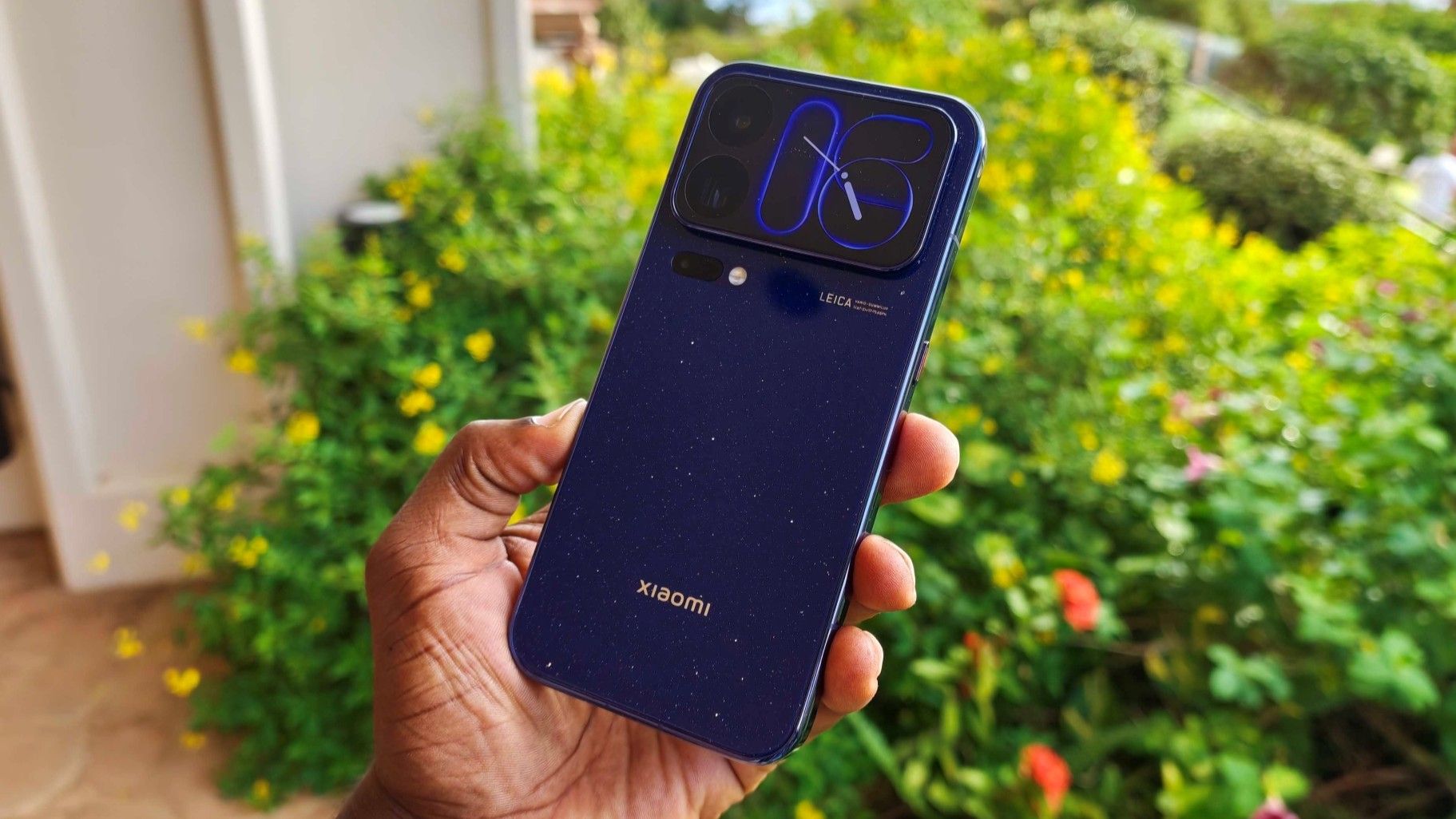
OPPO and Vivo are launching their flagships globally in October, and while Xiaomi hasn't confirmed when the 18 Pro will debut outside China, it is bound to launch later this year. Interestingly, the 18 Pro models will come to India as well, and that makes things very interesting.
Most Chinese manufacturers don't sell phones in the U.S., but Motorola is launching the Signature 27 in North America, and it is powered by the Snapdragon 8 Elite Extreme Gen 6. The device should be available ahead of the holiday season, but we'll know details closer to launch.
I'll be getting my hands on phones powered by these two platforms soon, and I'll share my findings shortly thereafter. Based on the little I've seen of what Qualcomm and MediaTek have shared, I'm excited to see just how much of a difference there is against 2026 (and older) flagships.