The Ethernet spec was first drafted on this day in 1980
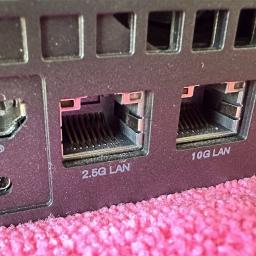
On this day in 1980, version 1.0 of the Ethernet specification was published by Digital Equipment Corporation (DEC), Intel, and Xerox. This DIX' standard was established at a time still nearly three years before the modern internet existed. Nevertheless, Ethernet would become the default technology for connecting computers to each other in local networks - and all around the world. However, we must point out that Ethernet had existed in experimental form at Xerox PARC in the 1970s.
Before Ethernet, computer manufacturers were wary of building LAN connectivity into their computers. It seemed wasteful to integrate one type of network adapter that wouldn't always work with other networked computers and equipment an organization might use. To foster the adoption of Ethernet industrywide, DIX allowed any vendor to use the specification in their own hardware implementations.
Ethernet has been adjusted, refined, and improved over time to remain competitive and relevant. In 1980, it arrived using coaxial cable wiring and with a top speed of 10 Mbps. Five years later, it would move to adapters with BNC connectors. The first RJ45 implementation, a connector that still identifies Ethernet ports to this day, was in 1990 alongside the introduction of 10BASE-T twisted-pair cabling (but still at 10 Mbps).
Data speeds ramped up tenfold, hitting 100 Mbps in 1995, and it would be just four more years until the next tenfold boost with the debut of Gigabit (1 Gbps) Ethernet. If you buy a PC nowadays, you will commonly see Ethernet ports labeled 2.5G and/or 10G. To make use of the latter, Cat6a or better cabling is typically recommended for reliable links. However, data centers run equipment connected via 800 Gbps+ Ethernet protocol connections over advanced fiber optics.
Despite the rise and generational advances delivered by Wi-Fi 7, wired Ethernet is still preferred for speed, low latency, and stability. These are very desirable qualities for enthusiasts, home labbers, and gamers alike. Thus, even on small form factor PCs and laptops with the latest Wi-Fi but no RJ45 networking port, some might choose to connect a USB Type-C to RJ45 Ethernet dongle when they are at the home/office with wired networking available.