How Spaghetti Is Made, From Traditional Techniques to Modern Manufacturing
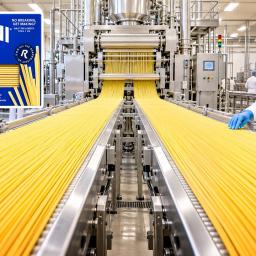
Culinary channel The Process examined how spaghetti is made, from traditional pasta production in Gragnano, a town near Naples, Italy, to modern manufacturing. While durum wheat semolina and water remain the basic ingredients, modern methods use vacuum mixing, different extrusion dies, and controlled drying.
How spaghetti is made, from golden semolina and vacuum mixing to bronze dies, teflon dies, slow drying, and the structure that gives pasta its al dente bite.
The narrator also examined chickpea spaghetti, explaining why it has a much narrower cooking window than traditional durum-wheat pasta.
Chickpea pasta doesn't have that internal structure from the Durum. There's nothing holding the inside together. So once it's been hot long enough, the whole thing softens at once. The window between al dente and falling apart shrinks to about 1 minute. Miss it, and it disintegrates in the pot.
The Saucy History Behind Pasta
subscribe to the Laughing Squid Newsletter
The post How Spaghetti Is Made, From Traditional Techniques to Modern Manufacturing was originally published on Laughing Squid.