This week in Tom's Hardware Premium: November 14, 2026 — Mac Studio versus DGX Spark, AMD's MEXT cuts DRAM requirements in half, and the Huang saga reaches critical mass
Seismic appears to set the tone for this week's events in the hardware industry, and we've covered the biggest beats, including deeper dives on hardware and AI topics over on Tom's Hardware Premium. Stories this week are colored by the fact that Nvidia founder Jensen Huang has stepped away from his post as CEO. The ramifications are wide and far-reaching, as the company transformed from a gaming GPU manufacturer to an AI business over the past five years.
First up, it's not only hyperscalers and neoclouds that have their eyes on AI. An increasingly popular segment among enthusiasts is PCs dedicated to running local AI models. With so many choices on the market currently, from the recently released RTX Spark to AMD's Strix Halo platform, we take a look at two unlikely contenders that are now going head-to-head: Nvidia's DGX Spark and Apple's Mac Studio. We ran a suite of real-world and synthetic benchmarks across both devices and tested large models on both machines. With prices at eye-watering levels, it's more crucial than ever that you make the correct choice for your intended workloads.
DRAM capacity constraints have been an industry-wide sticking point as the AI buildout accelerates demand for dies. With costs spiraling across both client and enterprise hardware, AMD has shared further detail about MEXT, a predictive memory engine which aims to offer 99% of a server's performance while running on half the DRAM. Powered by a transformer model and clever use of flash storage, AMD is already running 145 servers with the system in place, with a view to expand that figure to 2,000 next year.
Next, we sat down with Cognichip's Chief Product Officer in an extensive interview to explore how the company is rolling out AI-powered chip design tools. Back in September, the company revealed a suite of proprietary AI models, named Artificial Chip Intelligence (ACI), which are specifically developed for semiconductor engineering. While the tools have yet to be used in a shipping product, it could substantially improve chip development productivity by automating labor-intensive tasks.
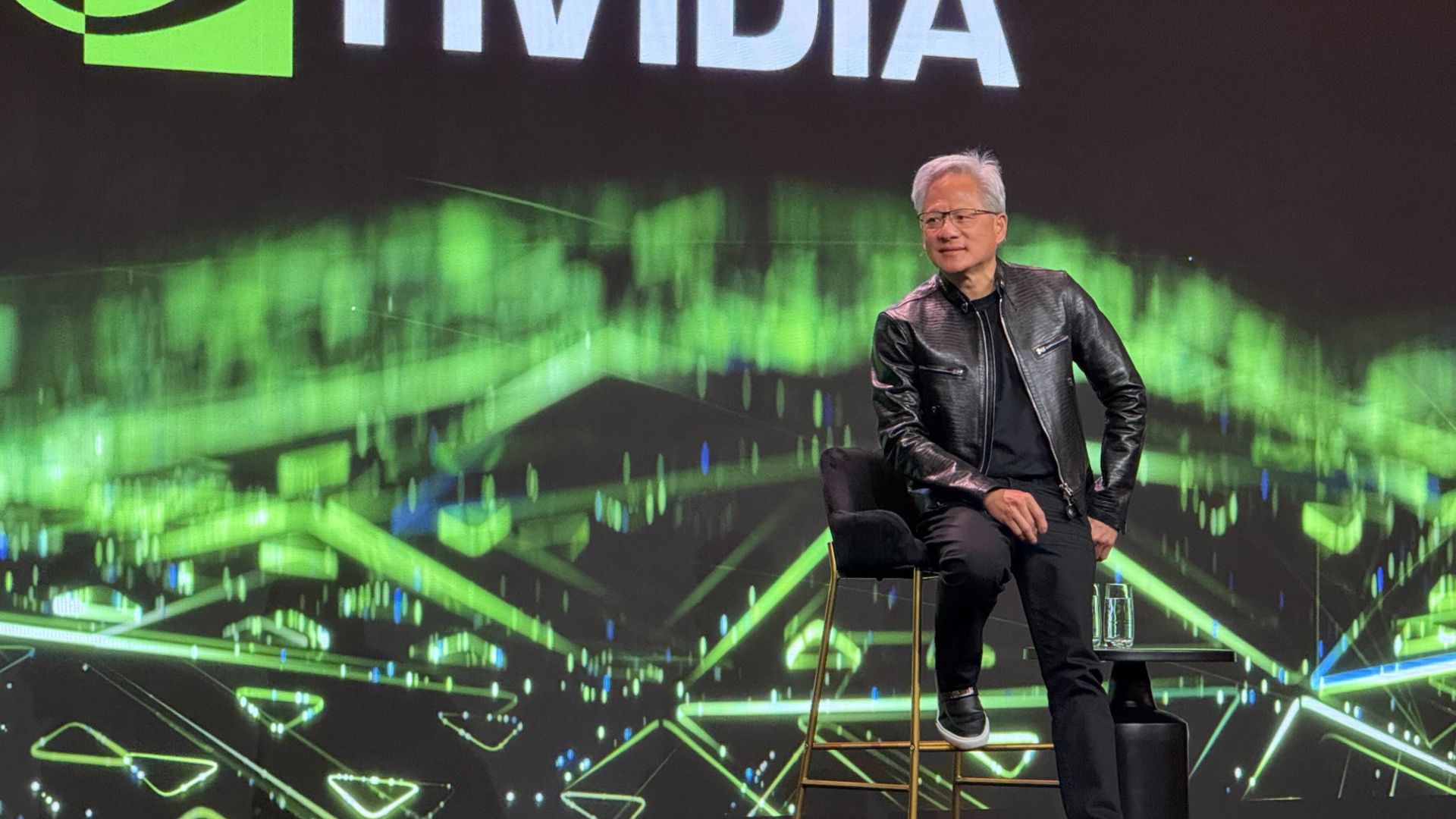
The Jensen Huang scandal deepens, as the now-former Nvidia CEO has become embroiled in a series of alleged extramarital affairs and has since resigned from Nvidia. While much of the past week's stories have centered on his relationship with alleged Chinese Spy Alice Huang, we explored the former CEO's unlikely relationship with Kang Wei, Ms. Huang's husband, who recently landed in hot water with China's Securities Regulatory Commission.
Nvidia-based compute remains difficult to find in China, especially as AI labs line up to order racks and newer cards like the RTX 5500 Pro, with over 6 million units reportedly ordered for the export-compliant GB202-based AI accelerator. But the Chinese AI labs that are chasing after Nvidia's tech may still have to pay a premium and ensure that they're running enough homegrown silicon to not fall afoul of Beijing's rules. We explore how some companies have now moved to renting compute in Southeast Asian countries like Malaysia and Singapore in an attempt to get around export controls.
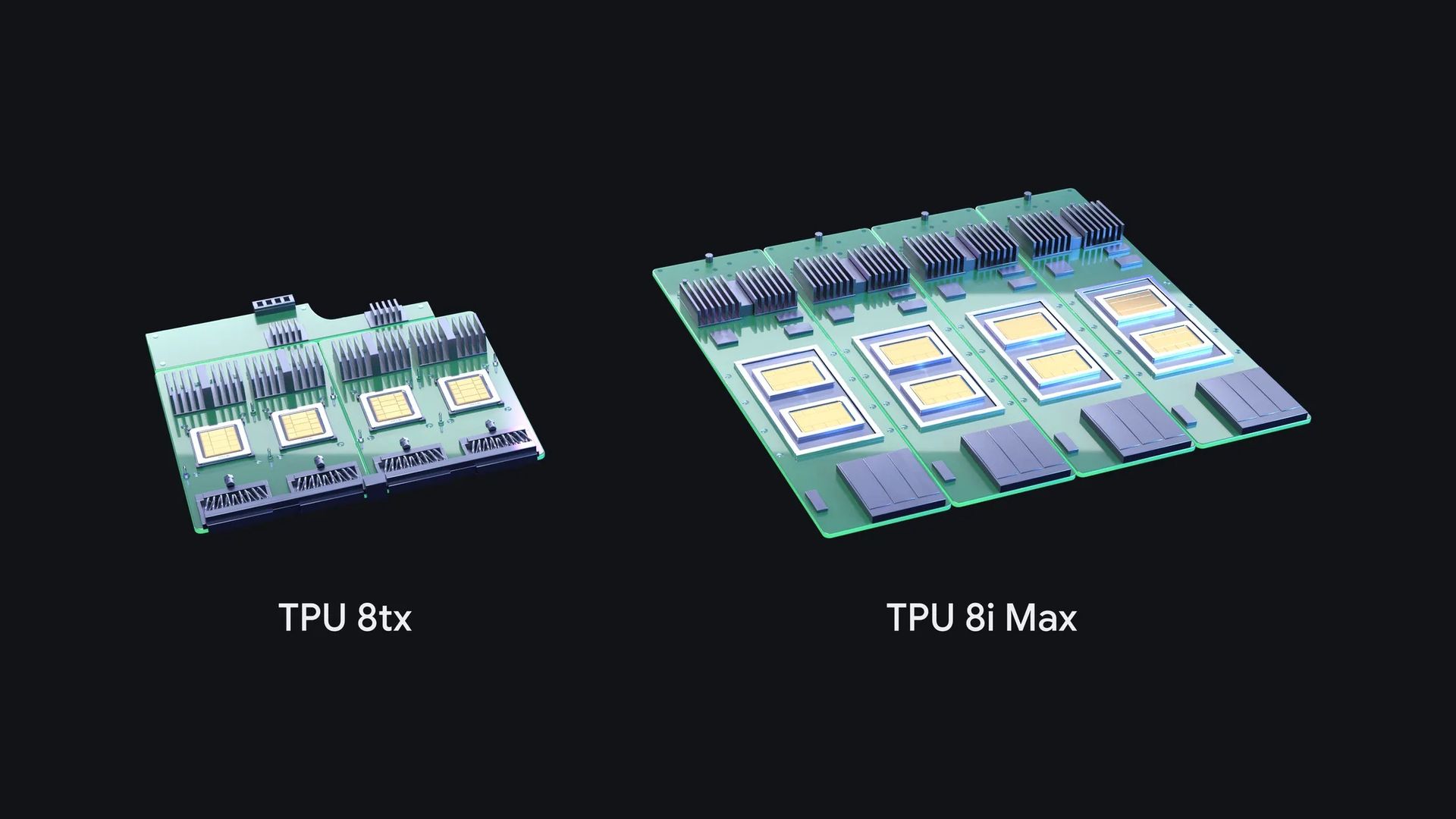
Google's one of the biggest competitors to Nvidia, especially in the AI domain. The company's 8th-gen TPU lineup has now expanded even further, with two new chips designed for long-context agentic AI and security. These two new chips, TPU 8i Max and TPU 8tx, signal a further diversification across Google's eighth-generation TPU stack. While TPU 8i Max doubles the specs of the original TPU 8i, TPU 8tx makes a more interesting change to AMD's EPYC to serve its use in specialized security workloads.
Lastly, a new proposed framework aims to track how easy it might be for an AI model to break through its safeguards and generate potentially harmful content. The Frontier Model Foundation has proposed a Jailbreak Rating Framework which aims to classify the type and severity of a possible LLM jailbreak. With four scoring components in hand, the foundation aims to identify possible jailbreak vectors and inform labs of them before they happen in the real world, with potentially disastrous consequences.

Premium Subcription: $29
Don't miss out on this Tom's Hardware Premium. Get a full year of access for just $29, or from $7 per-month. Get daily news analysis, deep dives into specialist topics in the semiconductor industry, as well as access to Bench, the largest benchmarking database around.View Deal
To read any of the articles we mention above, as well as unlock Bench, you'll need to purchase a Tom's Hardware Premium subscription. Your support goes a long way in helping us to publish deeper, more insightful articles that might not otherwise be covered.