Bringing it back? Samsung's 'variable aperture' could return on these Galaxy S phones
Rumors are back about an old theory about Samsung's current-gen phones. Some claim the company is seriously considering bringing back an older aperture feature for future cameras.
These rumors resurfaced after tipster Yogesh Brar suggested a classic return could grace Samsung's next Galaxy S phones in a couple of years. Brar claims Samsung is considering bringing variable aperture back to its Galaxy S flagship phones (via GSMArena). However, if true, consumers shouldn't expect this on every phone.
Brar says Samsung might explore this only with the Galaxy S28 Pro and S28 Ultra. If this is anything to go by, perhaps we should expect the Pro to stick around. Recent rumors suggest the alleged Galaxy S27 Pro will feel like an Ultra, but be positioned between it and the Plus (despite its supposed specs).
The tipster also suggests that Samsung "isn't the only brand exploring VA for their flagship device."
These rumors have come and goneWould Samsung only bring this back for the sake of competition?
Nickolas Diaz
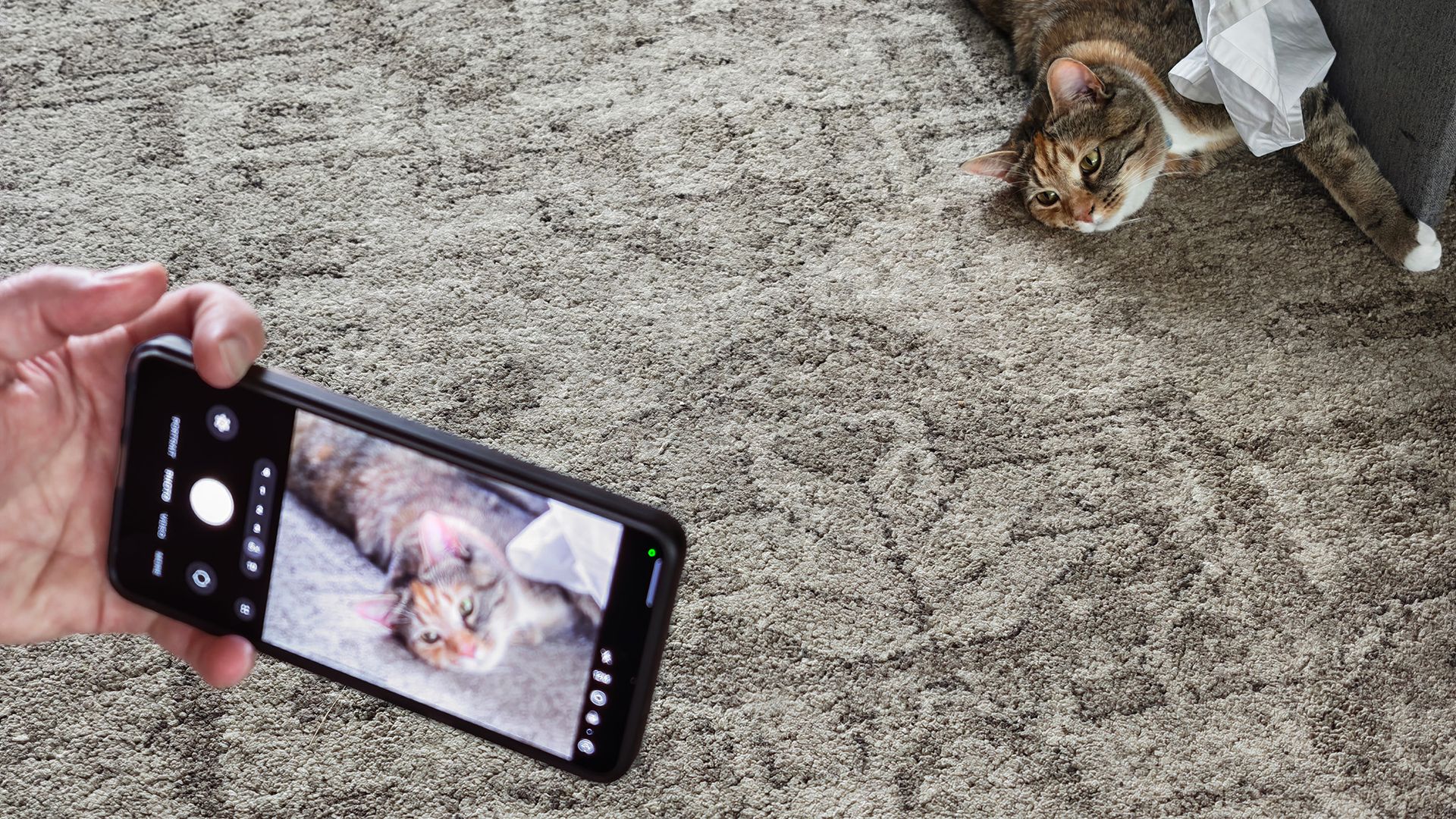
We're going to walk back through history. In late 2025, rumors surfaced that Samsung was considering bringing back variable aperture on its Galaxy S phones. These rumors claimed the Korean OEM was doing so to better contend with Apple's upcoming 2025 iPhones: the iPhone 18 and 18 Pro Max. Samsung hasn't had variable aperture since the Galaxy S9 days. It was a feature that covered narrow and wide apertures to help users take photos in a range of situations.
Several months later, rumors said variable aperture was headed to the Galaxy S26 series (which didn't happen). However, reports said Samsung was working with its Electro-Mechanics and MCNEX teams on the required tech. This would've enabled "true" variable aperture, letting the camera lens easily shift between apertures. It wouldn't have been digital, like the Galaxy S25 Ultra.
If we can expect this in two years, how limited would it be? Remember: the Galaxy S9 and even the S10 had variable aperture, but it was restricted to shifting between f/1.5 and f/2.4. Truthfully, that's not good enough for above-average output.