Samsung may skip the Galaxy Watch 10 in 2027 as costs pile up
Samsung could be skipping its annual smartwatch launches, and the Galaxy Watch 10 could be the first casualty.
According to a fresh report from Korea's ETNews, the company is considering a two-year release cycle, which means that buyers may need to wait until 2028 for its next major smartwatch upgrade.
The report said Samsung is rethinking its hardware release strategy as mounting manufacturing costs weigh on its mobile business. The mobile unit has posted losses for two quarters in a row, making it harder to justify the costly annual product launches.
The reported change would bring to an end a nine-year tradition dating back to the original Galaxy Watch in 2018. If Samsung follows through on its plan, the Galaxy Watch 9 and the Galaxy Watch Ultra 2, both scheduled for 2026, could be its last flagship wearables until 2027.
Higher prices aren't helping Samsung's smartwatch businessThe Galaxy Watch 9 reportedly struggled to meet sales expectations after Samsung increased its price compared with the Galaxy Watch 8. That's not surprising, given that buyers aren't seeing enough meaningful improvements to justify paying more for another annual upgrade.
Stretching the release cycle could allow Samsung to reduce research, development, and marketing costs while allowing its engineers to spend more time working on substantial hardware improvements.
Existing Galaxy Watches could get more attention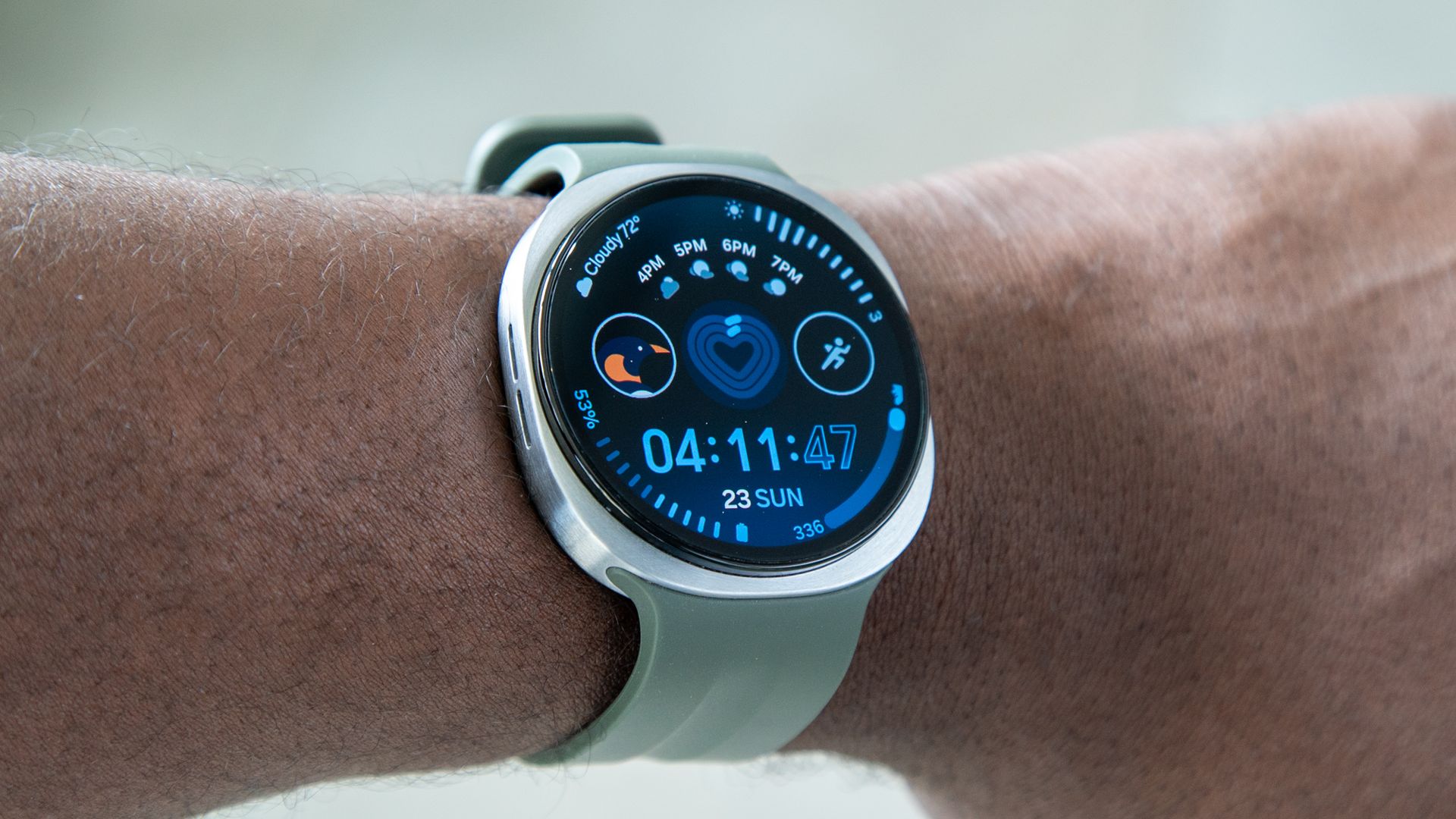
Releasing a new smartwatch is not a guaranty that Samsung will leave customers waiting for improvements. The company is reportedly planning to focus on software updates and new health features for existing Galaxy Watch models throughout 2027. A cheaper Galaxy Fit fitness band might also help keep its wearable line moving.
The move is said to be part of a wider cost-cutting effort at Samsung. The company is also reportedly looking at cutting production of its Galaxy A smartphones by about 20% and shifting focus to its higher-margin Galaxy S27 Pro and Ultra devices.
Samsung has not officially confirmed the reported changes. But fewer launches a year might be a good thing for consumers if the company takes that time to offer upgrades worth paying for. What really matters is whether Samsung can improve its current watches without sacrificing long-term software support as yet another casualty of its cost-cutting plans.