The political fallout of Chernobyl is still toxic | Natalie Nougayrède
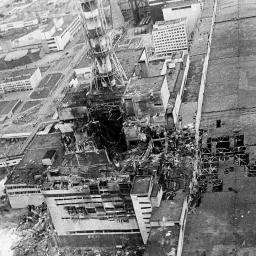 Thirty years on, the legacy of the disaster, and of the Soviet Union, continue to blight the region
At 1.23am on 26 April 1986, reactor no 4 of the Chernobyl nuclear plant blew up, spewing immense amounts of radioactive material into the air. A major event of the 20th century had occurred. The Chernobyl explosion, 30 years ago this month, arguably played a key role in the demise of the Soviet Union - if only because it crushed whatever credibility remained of a system of authority whose claims included the safe mastery of technology.
For those countries most affected, the road to stable democracy has not been easy; for some it's not even guaranteed. The territories worst hit by the disaster were Ukraine and Belarus. Today we tend to watch the political turmoil in Ukraine, including this week's appointment of a new prime minister, as solely the result of recent crises - but that can be short-sighted.
Continue reading...