Four steps to rebuild trust in biology
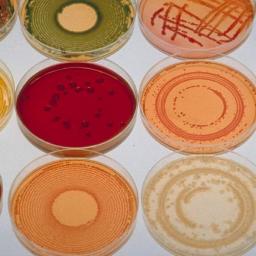
Trust in biologists is in a precarious position. Secrecy, safety breaches and controversial experiments are risking the reputation of biomedical science. Ahead of a key meeting in the USA, Filippa Lentzos and Nicholas Evans outline steps to earn back the trust of citizens.
18-months of deliberation on how to regulate research enhancing the transmissibility and virulence of viruses will end when the National Science Advisory Board for Biosecurity (NSABB) meets on 24 May 2016. The modified pathogens created through so-called 'gain-of-function' experiments could, if accidentally released from labs or deliberately misused, cause man-made pandemics. A new regulatory framework for gain-of-function research could set a significant precedent by creating a new standard for oversight in the life sciences.
Scientists and innovators assure us that biological technologies will ultimately be beneficial, but trust in biologists is currently in a precarious state. Last week it was revealed that a handful of labs operated by the Centers for Disease Control and Prevention (CDC) faced serious and repeated sanctions, and even secretly had their permits suspended for serious safety violations while working with bioterror pathogens. The CDC's lab operations have been under scrutiny since 2014, after a series of safety incidents at the agency's headquarters in Atlanta involving Ebola, anthrax and a deadly strain of bird flu. At the National Institutes of Health (NIH), 30-year old live smallpox virus was found in a disused refrigerator, when it was meant to be safely locked away in only two laboratories in the world. Then the US military mistakenly sent shipments of live anthrax from its highly restricted 800,000-acre site in the Utah desert to nearly 200 labs around the world, including labs in the UK.
Continue reading...