Bumblebee’s electric field sensor identified
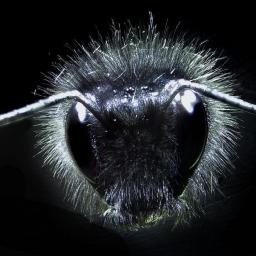
Mechanosensory hairs covering bumblebees' bodies detect the small electrical fields emitted by flowers
Bumblebees use the fine hairs covering their bodies to detect electrical fields produced by the flowers they feed on and pollinate, according to a new study by researchers at the University of Bristol. The findings, just published in Proceedings of the National Academy of Sciences, may help to solve the mystery of how insects and other terrestrial creatures detect and respond to electric fields.
It's well known that bumblebees use their sense of smell, as well as visual cues such as the colour, shape, and patterning of flowers, to find nectar, and in 2013, biologist Daniel Robert and his colleagues reported the surprising finding that they can also detect floral electric fields.
Continue reading...