We need to inject more evidence into public policy. Here’s one way to do it
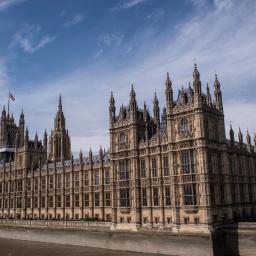
Our citizen-led study of politicians, published today, has one main conclusion: we need to make research evidence faster to access, easier to decipher, and harder to ignore
It's a problem that comes up time and again. The day breaks with news that a prominent government policy or promise has failed. It might concern the NHS, the environment, or immigration. The next day, amidst all the bluster and posturing, someone will quietly point out that the policy never had a chance of working because it hadn't properly considered the underlying evidence. The information might have been too hard to understand, conveniently ignored, or even gone missing.
As academics who make a living out of generating and interpreting evidence, the ceaseless merry-go-round of failed policies and cherry-picked statistics can be frustrating to observe. But we also recognise that, as knowledge professionals, we are part of the problem. Scientists and academics have long kept the dirty world of politics at arm's length. Of the tens of thousands of scientists and professional researchers in the UK, very few ever talk to policy-makers and fewer still become politicians. With researchers having such a small voice, is it surprising that obvious mistakes are made?
Continue reading...