Ramesses II, victor of Kadesh: a kindred spirit of Trump?
Much like the president-elect, Ramesses II knew that bombast can sometimes outweigh truth. His tale of triumph at the Battle of Kadesh is a perfect example
In 1274BCE, near the Levantine town of Kadesh, a miracle occurred: Ramesses II of Egypt, isolated from his forces due to faulty intelligence, single-handedly destroyed a Hittite army. Out of the 2,500 chariots attacking him, not one survived. The pharaoh subsequently threw countless enemies into the river Orontes, only sparing the Hittite king after he begged for mercy. It was a mighty victory - and a mighty mix of fact and fiction.
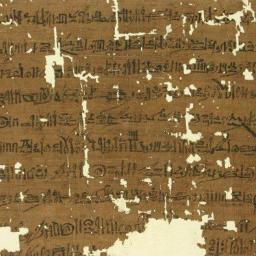
This version of events is found in two texts commissioned by Ramesses: the so-called Official Record and the Poem of Pentaur (named after the scribe of Papyrus Sallier III). After the Kadesh campaign, the pharaoh used these texts to portray himself as the archetypal glorious commander: feared by the enemy and protected by the gods. These works appeared primarily on royal architecture, such as the monumental temples at Abu Simbel, Karnak, Luxor and Abydos. Carved in stone, the inscriptions were designed for eternity, and the detailed reliefs accompanying them meant that even the illiterate majority could understand. Meanwhile, the Poem was also circulated on papyrus, allowing the story to travel rather than being confined to immobile monuments. Thus, Ramesses did everything to spread the word to everyone - from humble peasants gazing at temple walls to nobles enjoying court poetry.
Continue reading...