Satellite Eye on Earth: November 2016 – in pictures
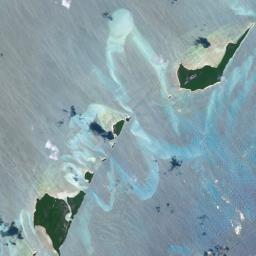
Ancient water channels in Morocco, declining Arctic sea ice and the US-Mexico border were among the images captured by European Space Agency and Nasa satellites last month
A bank of clouds covers East Java to the west, with a bright sun overhead casting shadows from the clouds along the ocean surface. Sunglint, an optical effect caused by the reflection of sunlight off the water surface directly back at the satellite sensor, exposes the waves created by the movement of currents in the ocean water. Internal waves are generated when the interface between layers is disturbed, such as when tidal flow passes over rough ocean floors, ridges, or other obstacles. The Lombok Strait, a relatively narrow passageway between Bali (west) and Lombok (east), allows flow of water from the Pacific Ocean into the Indian Ocean. The bottom of the strait is complex and rough, consisting of two main channels, one shallow and one deep. Because of the variation in water movement due to the complexity of the channels and ocean interface, the tides in the strait have a complex rhythm but tend to combine about every 14 days to create an exceptionally strong tidal flow. It is the combination of rough topography, strong tidal currents, and stratified water from the ocean exchange that makes the Lombok Strait famous for the generation of intensive internal waves.
Continue reading...