Over 200 years of deadly London air: smogs, fogs, and pea soupers | Vanessa Heggie
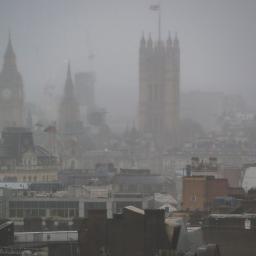
60 years after the Clean Air Act, Londoners still suffer from air pollution. What can we can learn from two centuries of campaigns against city smog?
On 9 December 1952 the Great Smog officially ended - for five days a thick layer of air pollution, mostly caused by coal fires, had covered London and caused the deaths of thousands of residents. 64 years later the London Mayor has committed 875 million to tackle the problem. This week the Royal Society of Biology hosted an event on air pollution and health (#greyskyresearch) and the Royal Society of Chemistry will run their annual Air Pollution conference next week. After two centuries of fatal London fogs, what have we learnt?
Fogs were relatively common in London in the 1700s, but by the early 1800s these had become deadly, as the smoke and fumes from industrialisation and urban growth were trapped by calm, still air. It was not just the pollution that was a threat to life and health, but also the traffic, and newspapers were full of tragic stories of accidents: in the 1837 December fog the Times reported that "an aged female named Jane Wilson" was "knocked down by a cart and severely injured" and Chelsea resident Mr Phillips was thrown out of his chaise into the road where a "cart passed over his right thigh, and fractured it dreadfully". Animals suffered too - in 1873 the annual cattle show at Smithfield market was ruined by a December fog that left the "fat cattle"panting and coughing", and many of the animals collapsed and died.
Continue reading...