How Forensic Linguists Identify Criminal Suspects by Analyzing Their Writing Patterns
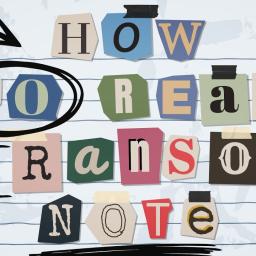
Sam DenbyofHalf as Interesting used the text of the Unabomber's Manifesto to explain how forensic linguists can identify a suspect and determine where he could be found.
This manifesto is riddled with unintentional clues about its author. You can tell how old he is, where he grew up, what his education level is, and kind of his entire identity by reading in between the lines.
Denby explains that linguistic patterns in written texts serve as forensic evidence, further noting that distinctive phrases and idioms allow linguistic experts to identify authors, verify the authenticity of confessions, and uncover hidden clues in ransom notes. Tools such as Burrow's Deta and the Jaccard Coefficientwere developed to assist inforensic stylometry.
Obviously, the most common question that forensic linguistics wants to answer is who wrote this? It depends a lot on what this actually is. Is it a ransom note, a few text messages, or is it something longer? If you have a lot of text, like a book,
subscribe to the Laughing Squid Newsletter
The post How Forensic Linguists Identify Criminal Suspects by Analyzing Their Writing Patterns was originally published on Laughing Squid.