AI data center boom hits a human bottleneck — critical skilled labor shortages could slow deployment despite billions in funding
The AI boom has already been responsible for soaring demand and subsequent shortages in the areas of GPUs, computer memory, storage (both spinning and solid-state), electrical power, water, and networking equipment. The latest bottleneck may be the people needed to build the data centers themselves.
Asked by Bloomberg TV whether demand for data center construction was slowing, construction industry CEO Benoit Bazin said activity remains strong, but then identified labor as one of the industry's key bottlenecks. The executive, whose company Saint-Gobain supplies construction materials and building products used in hundreds of such projects, argued that labor shortages are already affecting projects in North America and are beginning to emerge in Europe as well.
Bazin mentioned the issue only in passing during his Bloomberg appearance, but his comments point toward what is becoming an increasingly important challenge for the AI infrastructure boom. The global race to build new computing infrastructure has hyperscalers like Amazon, Microsoft, Google, Meta, and Oracle collectively committing hundreds of billions of dollars toward new facilities, but constructing a modern AI data center requires far more than just money.
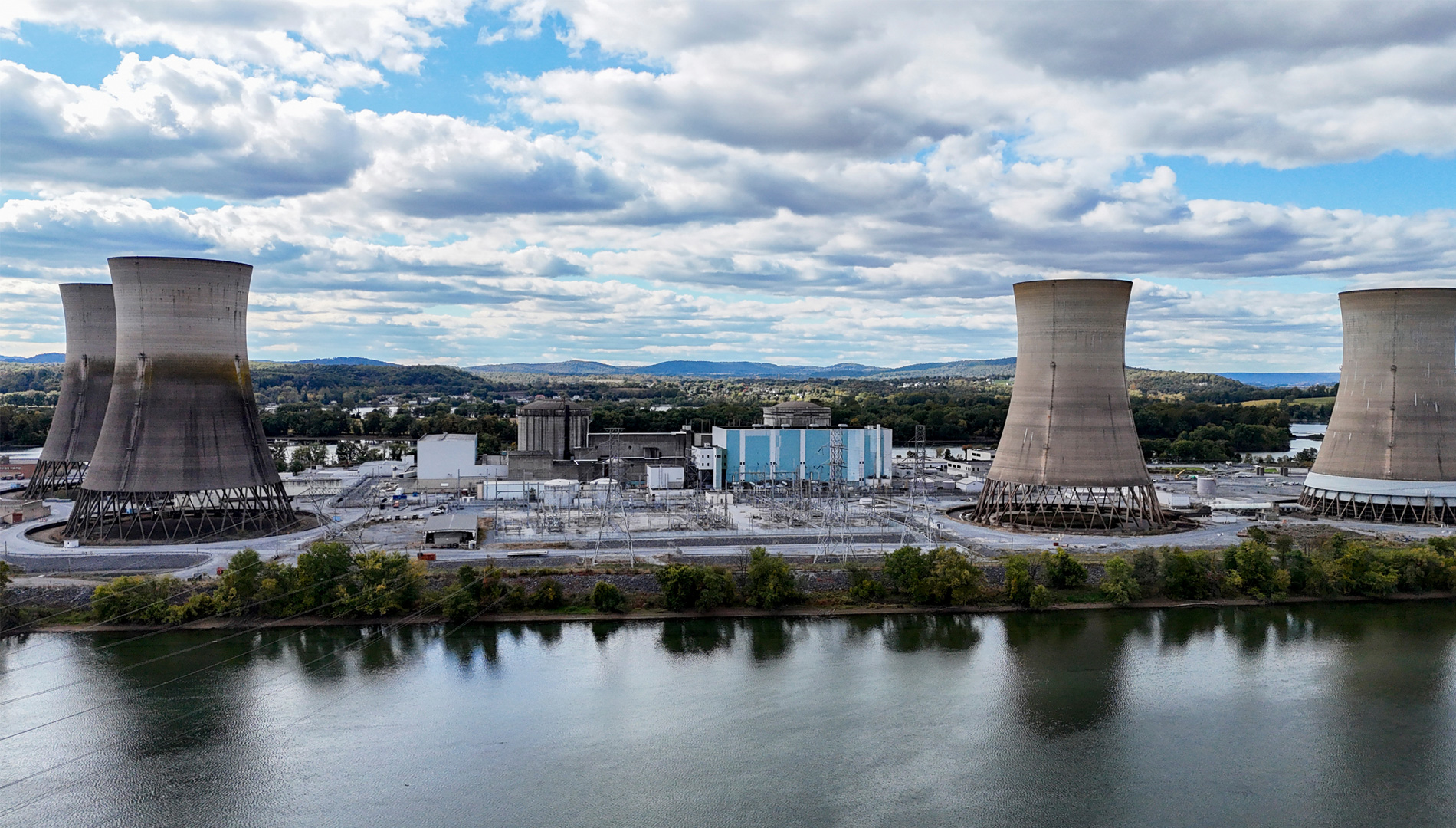
As we've reported many times before, power availability is the primary constraint facing new projects. Electrical substations, transformers, transmission infrastructure, utility connections, and even generation capacity itself are already struggling to keep pace with demand. However, a growing number of executives and analysts now argue, like Bazin, that skilled labor may be emerging as a significant secondary bottleneck.
You see, unlike conventional commercial construction projects, data centers require large numbers of specialized workers. You can't simply rely on standard commercial construction crews for this stuff; you need highly specialized tradesmen, like electricians, high-voltage technicians, fiber-optic installers, HVAC specialists, controls engineers, and commissioning teams, among many others. Huge swaths of these jobs require years of training and experience, making it difficult for the labor pool to expand as quickly as AI investment has ballooned.
The problem has become serious enough that some technology companies have begun funding workforce development efforts directly. Earlier this year, Meta partnered with CBRE on a training initiative intended to help expand the pipeline of workers qualified for data center construction and operations, reflecting concerns that labor shortages could eventually slow deployment schedules.
The effects may already be spilling into other sectors. We recently highlighted how demand from large data center projects has increased competition for electricians in Texas, contributing to delays in some residential housing developments as contractors struggle to compete with the wages and budgets offered by hyperscaler-backed projects. While housing obviously won't be displaced entirely, that story is an example of how AI infrastructure spending is increasingly competing for the same pool of skilled tradespeople needed elsewhere in the economy.
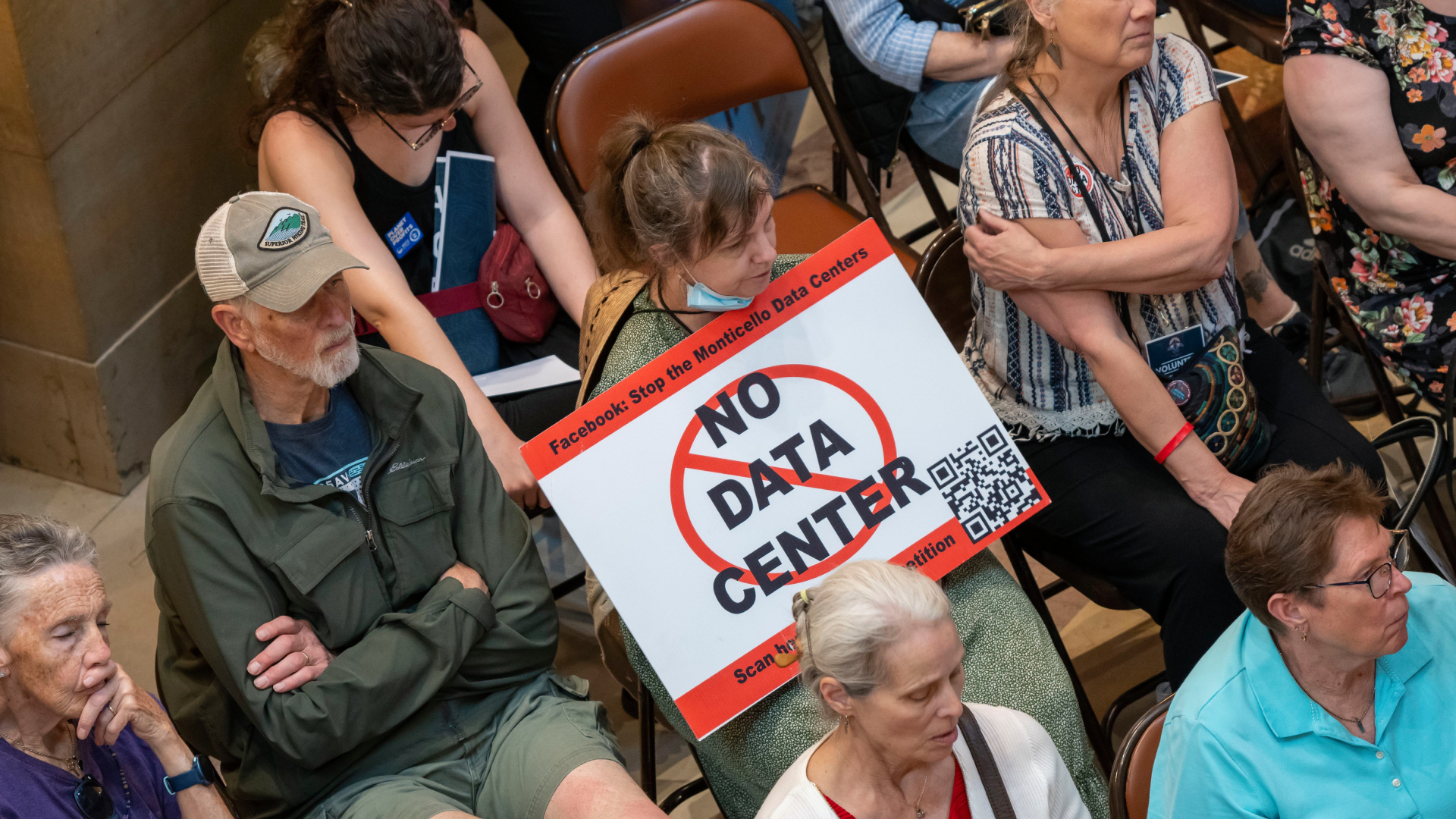
Also, labor is only one of several non-technical challenges facing new projects. Public opposition has become increasingly visible in some communities, particularly as residents raise concerns about electricity consumption, water usage, noise, and the broader impact of large-scale data center developments. Looking again to Texas, where numerous projects have been proposed or announced, opposition to new facilities has become a recurring topic of debate. Concerns that once focused primarily on industrial facilities and energy projects are increasingly being directed toward data centers as well.
Demand for new facilities remains strong, and few observers actually expect overall construction activity to slow significantly in the near term, but building the infrastructure required to support the next generation of AI systems means solving a growing list of problems, from power generation and grid capacity to permitting, community opposition, and now, increasingly, workforce shortages. The industry has largely solved the problem of attracting capital. It can order more GPUs, buy more land, and sign larger power contracts. Producing thousands of experienced electricians and technicians, however, takes years. As the global data center boom continues, that shortage may prove to be one of the industry's most stubborn constraints.