US mulling ban on key Chinese networking tech in data center component crackdown — White House wants to impose restrictions in 2026, China says it will respond if necessary
The U.S. Federal Communications Commission (FCC) is working on a ruling that will ban the import of Chinese-made optical transceivers, which are widely used in data centers to convert electrical impulse data into light and vice versa. Sources told Reuters that the agency wants to publish the ruling so that it would take effect before the end of the year.
Go deeper with TH Premium: AI and data centers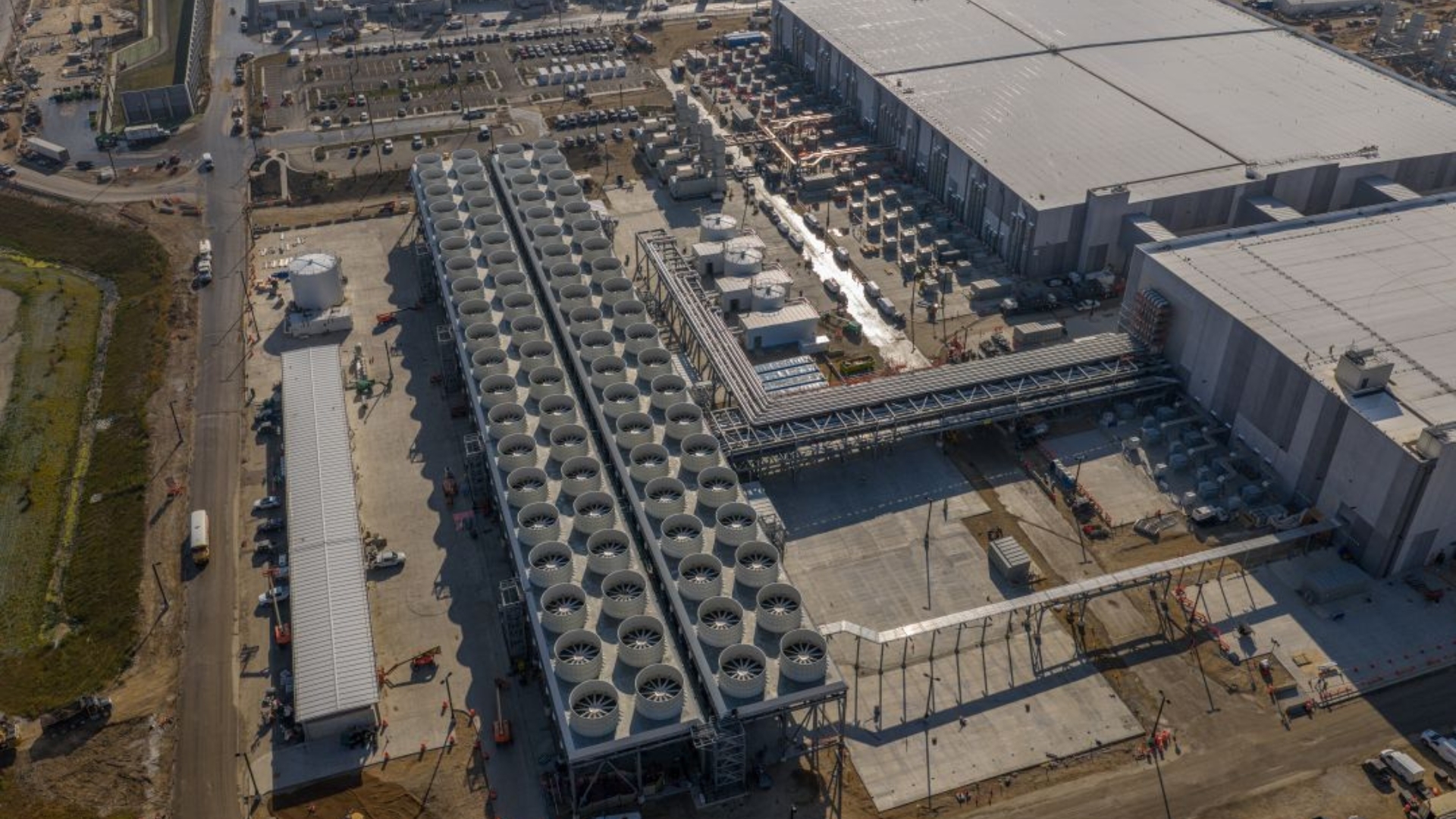
- Photonics and high-speed data movement is the next big AI bottleneck
- The data center cooling state of play
- Massive AI data center buildouts are squeezing energy supplies
- Ultra Ethernet: The data center interconnection of tomorrow
"Transceivers definitely pose a risk," AI policy expert Divyansh Kaushik of advisory firm Beacon Global Strategies told the publication. "As the data center buildout scales up, you want to make sure the data center supply chain is secure from the get-go." The administration fears that these components could be used to steal data, install malware, or disrupt data center operations in the U.S.
These optical transceivers are crucial for data centers as they require less electrical energy than traditional copper-based wiring and are also much faster. There are several U.S.-based manufacturers of these components, like Lumentum, Coherent, and Apple Optoelectronics, but Reuters said that they do not have the scale and capacity of leading company Innolight, which has cornered 27% of the global market.
This isn't the first industry-wide ban that the FCC has imposed in recent months. While the U.S. has banned Huawei products from the country since 2019, it recently enforced several other bans that have primarily affected major Chinese or China-connected companies. This includes the ban on foreign-made drones, applied in December 2025, foreign-manufactured routers, enacted last April, and advanced robotic devices that weigh over 4.4 pounds and have a 200-kbps connection, which was announced just last month.
The first ban primarily affected DJI, while the one set in April hit TP-Link badly, even though it has since separated from its Chinese parent company in 2024. While you may not think that consumers will be affected by the Chinese robot ban, the July ruling also affects robot vacuums, with the top brands in the U.S. like iRobot, Roborock, Ecovacs, Dreame, and Xiaomi all being owned by a Chinese entity.
Although the U.S. said that all companies are affected by these bans, it also allows for conditional approvals. For example, Netgear and Amazon were able to secure exemptions for their foreign-made models through October 2027. TP-Link also applied for an additional approval in April but has yet to receive one until now.
It's been said that the FCC wants to head off these Chinese components before they become more prevalent in U.S.-based AI data centers. This is what happened with Huawei, which was already so entrenched in the U.S. when it was banned that it became an expensive, years-long process to remove and replace all components made by the company from all its systems.
The Chinese embassy in Washington told the publication that it's urging the United States to heed the objective and rational voices of the business communities in both countries" and "stop smearing Chinese companies and threatening them with sanctions." It also warned that it will take necessary measures in response to any action that causes material harm to its interests." Beijing has already done this last year, when it banned rare-earth exports to the U.S. in response to Washington's EDA software ban, causing the White House to backtrack on its decision.