This week on Tom's Hardware Premium: August 14, 2026 — Testing the BC-250, our interview with Intel's Robert Hallock, and a big week for optical
If you've not subscribed to our subscription service, Tom's Hardware Premium, we've collated every article that you've missed out on over the past seven days.
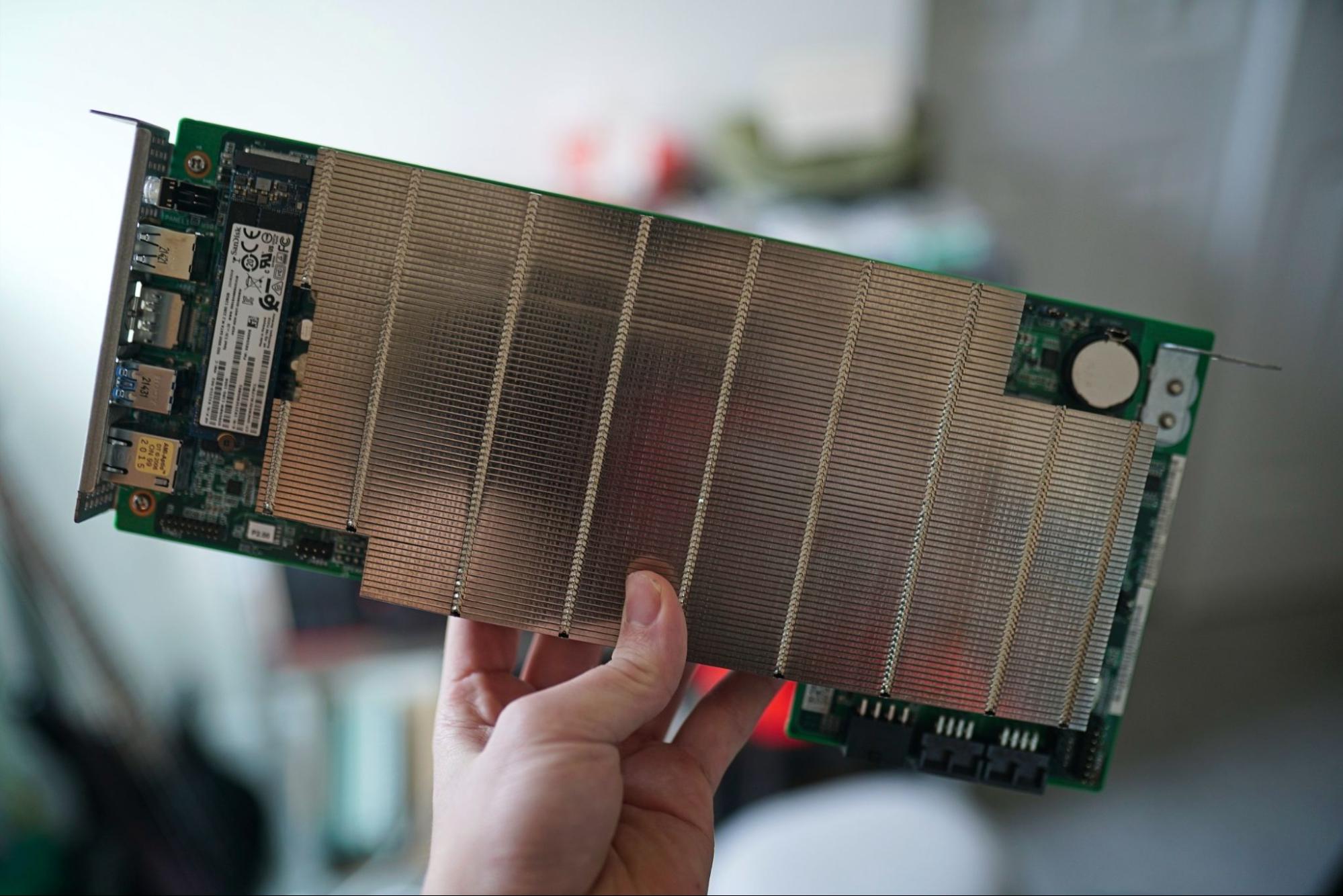
Last month, hot off the BC-250's full 40 CU unlock patch, we thought the time was ripe and finally put together a BC-250 build of our own to see what all the fuss was about. In case you're out of the loop, the AMD BC-250 is a repurposed PS5 APU, designed for cryptocurrency mining. With mining firmly out of fashion, the chip has now found new life, thanks to community-made patches and fixes that get things up and running for gaming. After all, where else are you going to find 16GB of memory and a capable single-board computer for $200 (or thereabouts) in the current market?
The experience of reading Jake's trials and tribulations feels like harkening back to the days when everything wasn't simply plug-and-play, and if you wanted the most out of your hardware, you were going to have to get a little bit uncomfortable and more intimately familiar with the nature of the silicon you're running. If you're interested in running one of your own BC-250 systems, you don't want to miss this fantastic (and lengthy) read, which features extensive benchmarks comparing the build to the Steam Machine, alongside performance results using different CU counts and OS images.
We also interviewed Intel's VP and GM of Enthusiast Business (and AMD's ex-Technical Marketing Director) Robert Hallock. As always, we give premium readers full access to our entire 45-minute session with Hallock, no redactions, no fluff. During the interview, Hallock addresses how Intel's entire team shifted between the release of Arrow Lake and Arrow Lake refresh platforms. He also gave us some insight into the importance of CPU software optimization, as well as dishing out some details about the highly anticipated Nova Lake lineup. (Yes, we asked if they had a V-Cache competitor, and you'll have to read the article to find out how Hallock responded.)
Catching a high-level executive in between product cycles is usually against the traditions of the press and marketing cycles that companies usually go through. This offers a fairly unique perspective, where we get to see how Intel is not only iterating upon its previous products, but also being somewhat reflective on the last few bumpy years for the company's consumer CPU segment.
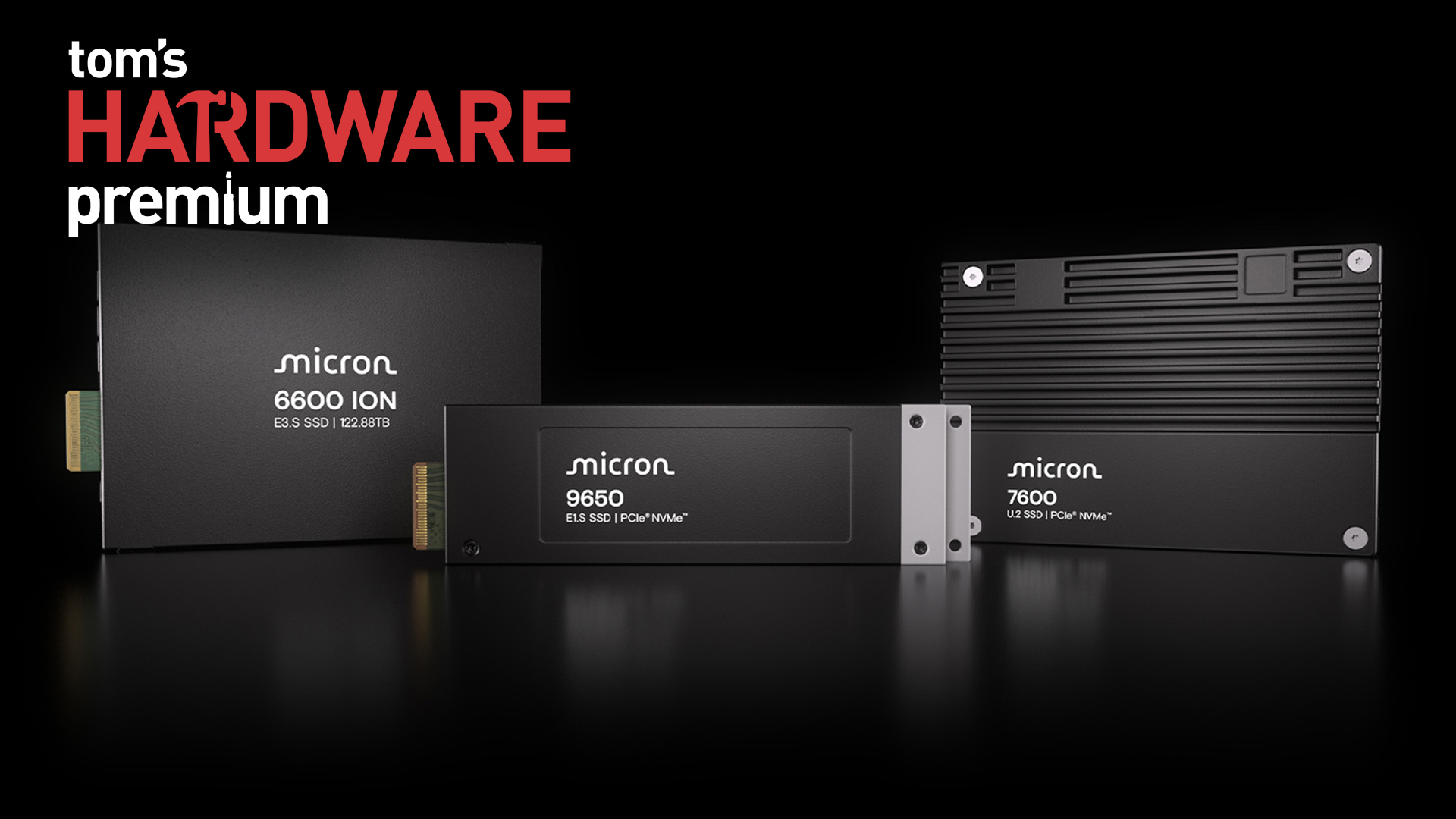
Elsewhere in the industry, we're starting to see real PCIe 6.0 devices that companies are actually going to be able to purchase. The standard suffered from a false start, mainly owing to the shift to PAM4 signaling, which behaves very differently from the Non-Return-to-Zero (NRZ) signaling that was deployed across prior generations. Several years on, we're now seeing commercial devices begin to arrive, including SSD's with capacities up to a staggering 2 Petabytes.
But for an ecosystem to thrive, you don't just need the devices; you need the ability for systems to communicate with them, too. So, we've offered an overview of the controllers, in addition to the drives themselves, to assess the current state of the PCIe 6.0 market.
In the newsIn addition to the three features that we ran on Tom's Hardware Premium this week, we've also published a slew of News Analysis pieces, which aim to dig deeper into the biggest topics in the hardware and semiconductor industry.
Firstly, there have been dozens of headlines across the U.S. over the ongoing AI data center buildout. We've covered the protests, the impact, and the voices who are lending their ears to striking back against Big Tech's appetite for more compute by any means necessary. Our report collates the ongoing sentiment surrounding the accelerating buildout and how residents are fighting back.
Hyperscalers are not backing down from putting money down to build more compute, which is currently constrained as AI models grow larger and more complex and as demand grows. To that end, we've seen that an eye-watering $2 trillion USD has been pledged to secure AI hardware and DRAM alone. The ongoing AI megatrend is transforming the semiconductor industry, all the way down the entire supply chain, and that's forcing companies to rethink how compute is purchased. At least for Apple and Google, that means putting up billions to secure critical components like NAND, DRAM, and more.
Optical interconnects and photonics have become a flashpoint amid the ongoing AI saga. With the limitations of copper meeting the very real demand for faster connection speeds, optics is the answer that the industry has been developing for quite some time. However, the FCC's proposed Secure Networks Act could put the deployment of silicon photonics in jeopardy. The FCC's proposal to ban new-model optical transceivers could put an already incredibly strained supply chain at risk.
With 56% of global manufacturing for optical modules shored up in China, this would pose an immediate problem, and one that the markets have already responded to in-kind. We have broken down exactly how optical became the hottest topic in the semiconductor manufacturing industry, as well as how the U.S-China trade summit next month could weaponize the technology.
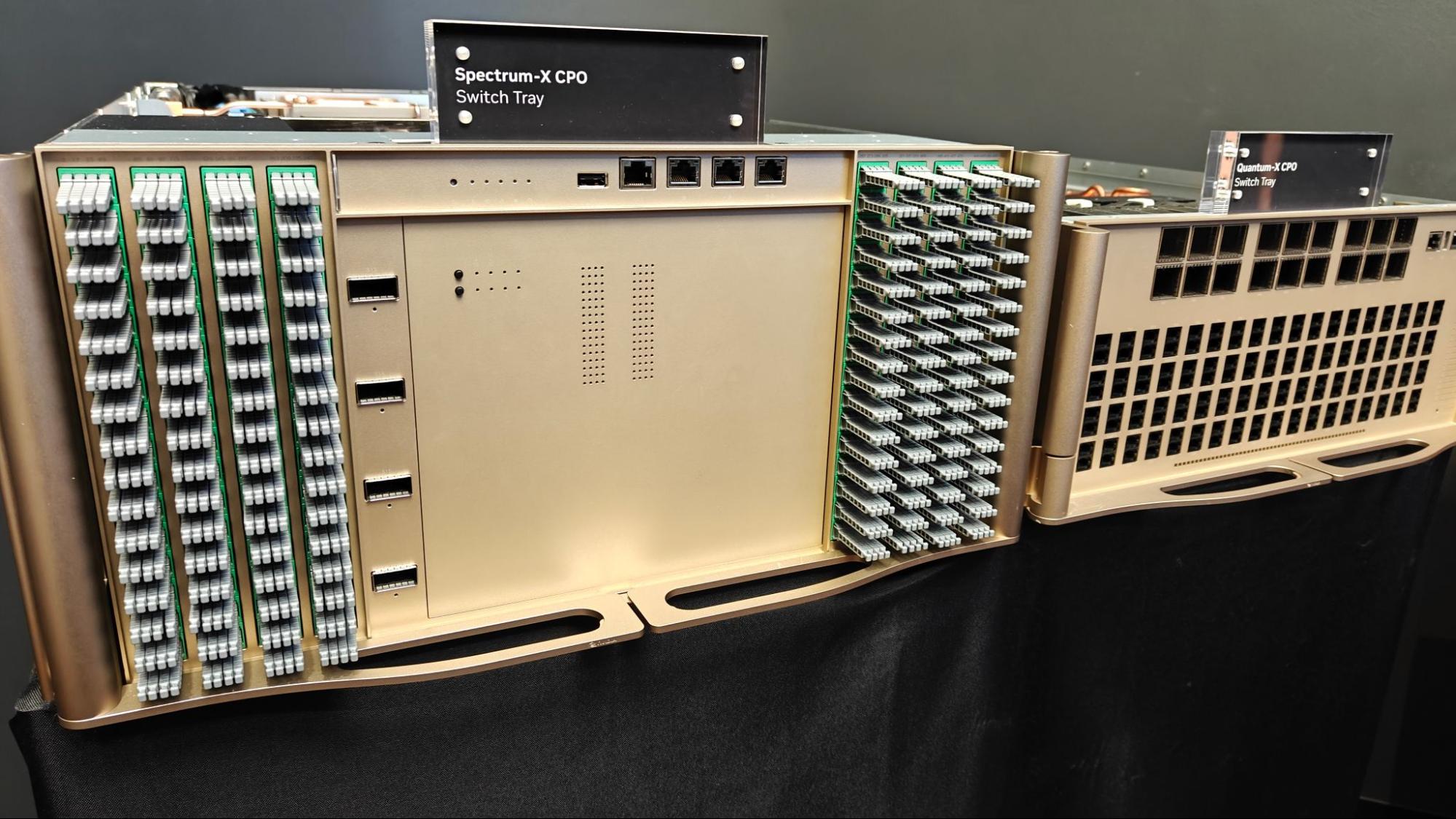
But what if there were other options? The photonics supply chain remains constrained and relatively immature. Full co-packaged optics chips might not be ready for full volume production, despite Spectrum-X CPO being rolled out across Nvidia's Vera Rubin lineup. The answer, in the short-term, may be near-packaged optics, as we explain all of the comings and goings in the wild world of silicon photonics.
- FCC proposes import ban on Chinese optical transceivers - blockade targets key AI interconnects as China holds 56% global market share
- How optical interconnects and silicon photonics emerged as AI's next hot commodity - looming US-China summit puts photonics into the crosshairs
- Near-packaged optics (NPO) gains ground as the industry hedges against CPO's growing pains
Premium Subcription: $29
Don't miss out on this Tom's Hardware Premium. Get a full year of access for just $29, or from $7 per-month. Get daily news analysis, deep dives into specialist topics in the semiconductor industry, as well as access to Bench, the largest benchmarking database around.View Deal
That just about wraps up everything we've published over on Tom's Hardware Premium this week. To read the above articles and to gain access to Bench, you'll need to purchase a subscription, which we've linked above.
We'll be back next week with another roundup of exclusive Tom's Hardware Premium reads that you won't find anywhere else.