The market is suffering, and phone makers are reportedly cutting back drastically in 2027
A major report has surfaced this midweek, stating smartphone OEMs are making drastic changes in preparation for 2027. Companies are reportedly preparing to cut back on shipment estimates, and we can attribute it to only one thing.
Tipster Jukan on X highlighted a report by Jiemian (Chinese), saying smartphone makers are lowering their expected 2027 shipment totals. Major companies such as Samsung are reportedly lowering next year's shipments by almost 10%. That would reduce its totals to ~210 million units. Another eye-catching name is Apple. The publication claims Apple is cutting its phone shipments by 5.6% in 2027, bringing units to around ~233 million.
For Motorola, estimated shipments may drop by 20% to 40 million units. This comes as the Signature 27 debuts, pre-orders begin, and the phone starts to gain traction. What's more, rumors suggest an early foldable launch.
Other popular Android OEMs like Xiaomi are reportedly estimating a 25% reduction in shipments, while Vivo could cut back the most, by 29%, in 2027. Curiously, Google wasn't mentioned in this report, but that doesn't mean things will remain the same.
It's clear where this is coming from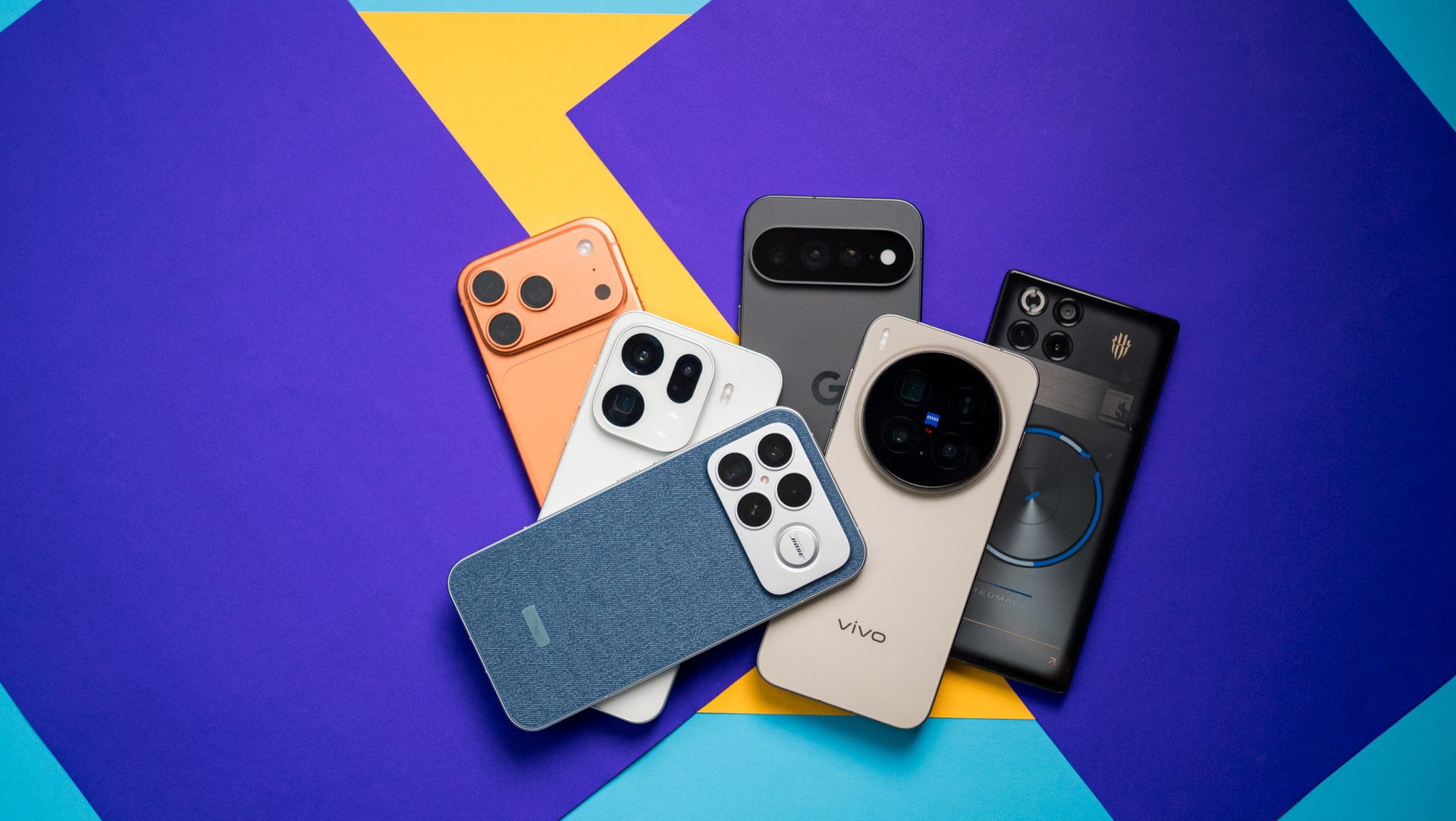
We've already seen the beginnings of Samsung's cutback in October. The company reportedly asked suppliers to reduce smartphone production by 20% to 30% in Q4 2026. The reduction would bring Samsung's 2026 totals closer to 200 million units, down from the projected 270 million. On the other hand, a Counterpoint Research report echoes phone OEM woes.
In Q3, the smartphone market reached its lowest point in 14 years. The market plummeted by 20% YoY. Counterpoint senior analyst Shilpi Jain said, "The extreme memory shortage is pushing the smartphone market into a more selective phase." The phone market has suffered this badly since 2012, and we're all looking at how demanding AI has been.
As DRAM and NAND shortages push OEMs into a corner, prices are soaring. As prices soar, "consumer behavior" changes. Counterpoint's Jain added, "Consumers are holding on to their devices longer than estimated, increasingly considering refurbished devices and prioritizing higher-value devices." Q2 wasn't as drastic, but it still marked a 4% decline in the market, according to Omdia's research.