Magnetic storage reaches the atomic level
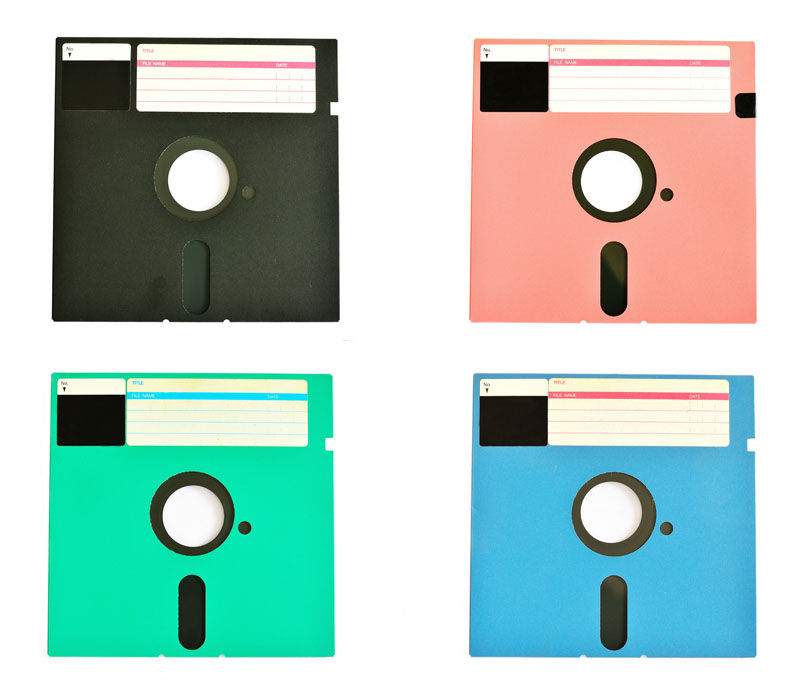
Enlarge / It's quite a bit smaller than these relics. (credit: Washington Secretary of State)
Data storage needs to keep up with our desire to snap pictures, download clips from the Internet, and create new digital documents. Since the early stages of computer technology, magnetic storage has been the method of choice to handle digital data. It has stayed that way because of our ability to continually shrink the area used to hold a single magnetic bit.
But we're closing in on the limits of this approach, as clusters of three to 12 atoms have been used as a functional system. Last week, however, scientists demonstrated the ability to magnetically store data in a single atom.
The basics of magnetic storageMagnetic storage requires the magnetization of a ferromagnetic material to record data. These materials rely on the atom's electrons, which themselves behave like tiny magnets. The electrons carry a magnetic dipole moment that is determined by the direction the electron spins and the shape of the path the electron travels (quantum mechanical spin and orbital angular momentum, to be technical). There are only two directions the electron can spin, either "up" or "down."
Read 9 remaining paragraphs | Comments