Resurrecting extinct species comes with legal issues
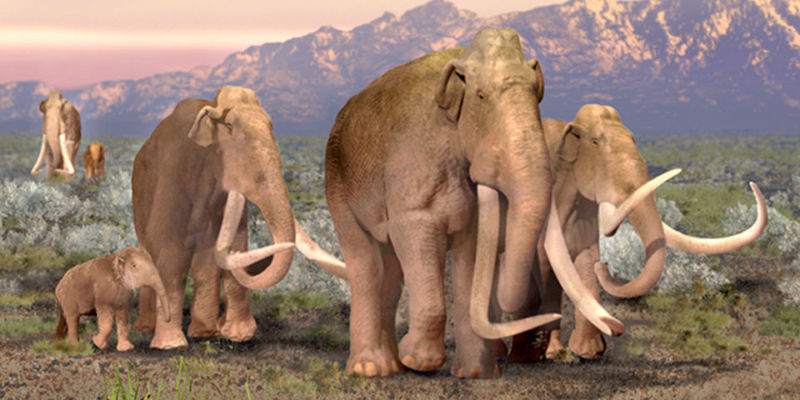
Enlarge / Mammoths. (credit: National Park Service)
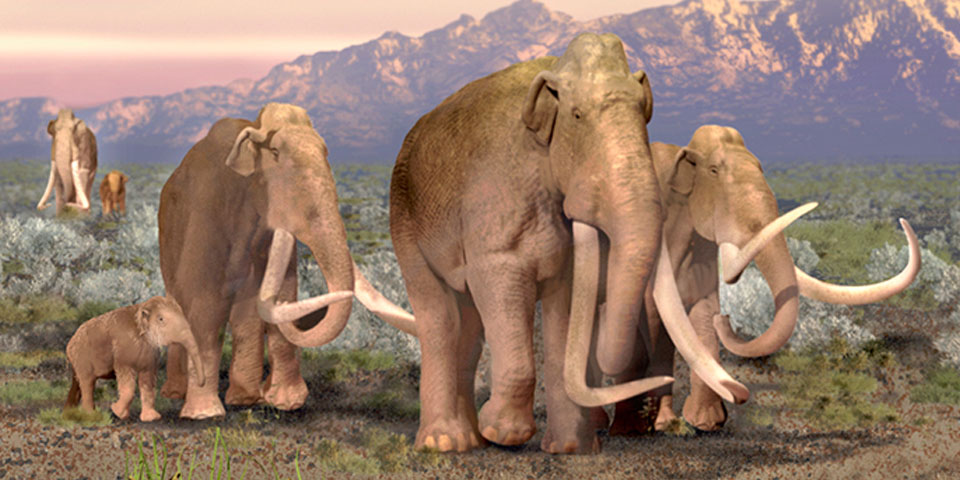
Modern biology has developed a number of technologies-stem cells, genome editing, and more-that have largely drawn attention due to their potential use in medicine. But these techniques also raise an exciting possibility: we might be able to bring species back from the dead. "De-extinction" raises the prospects of both taking whiteout to some of our species' careless past and recreating ecosystems that haven't been seen in thousands of years.
De-extinction raises myriad ethical and environmental issues. But, according to a perspective in this week's issue of Science, legal issues are involved as well. And, complicating matters further, the legal issues that apply depend on precisely how we de-extinct a species.
Lots of optionsAs the authors of the piece note, species can be brought back in a number of ways. The first is relatively simple: selective breeding. A handful of extinct species have left some of their genomic legacy behind either through hybridization with species that survive or through domestication. Past attempts to bring a species back from extinction through selective breeding for a specific appearance include the quagga and the auroch. But this clearly doesn't re-create the ancestral species; we didn't end up with an auroch, but an auroch-lookalike cow.
Read 11 remaining paragraphs | Comments