The strange and righteous history of the equals sign
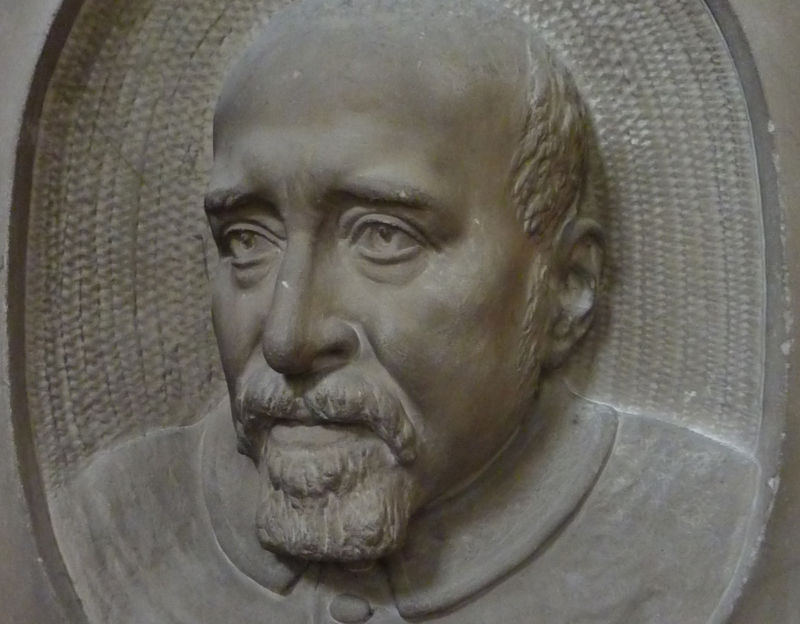
Enlarge / This plaque honoring Robert Recorde is at the Tenby Museum in Wales. (credit: Tenby Museum)

Robert Recorde was one of those people so extraordinarily ahead of his time that he seemed destined to come to a tragic end. In the 16th century, he made advances in economics, medicine, theology, and poetry. But his greatest contribution is taught to every elementary school child, and it arguably laid the groundwork for modern computer science. He invented the equals sign.
From urine to popular scienceRecorde was born in 1510 in Tenby, Wales. At age 14, he went to Oxford University. At age 21, he was teaching mathematics there, although scholarship wasn't his first career goal. Over the next few years, he also earned a degree in medicine and wrote the exquisitely titled monograph The Urinal of Physick, detailing what a physician could learn from a patient's urine.
Either medicine proved less fascinating than Recorde had anticipated, or less lucrative. Over the next decade, he moved from medicine to finance and oversaw mints in Bristol, London, and Dublin. The writer's life, however, clearly appealed to him. He produced a large and varied body of work: theological tracts defending Protestantism, poems, and most importantly, textbooks.
Read 9 remaining paragraphs | Comments