The science of why eyewitness testimony is often wrong
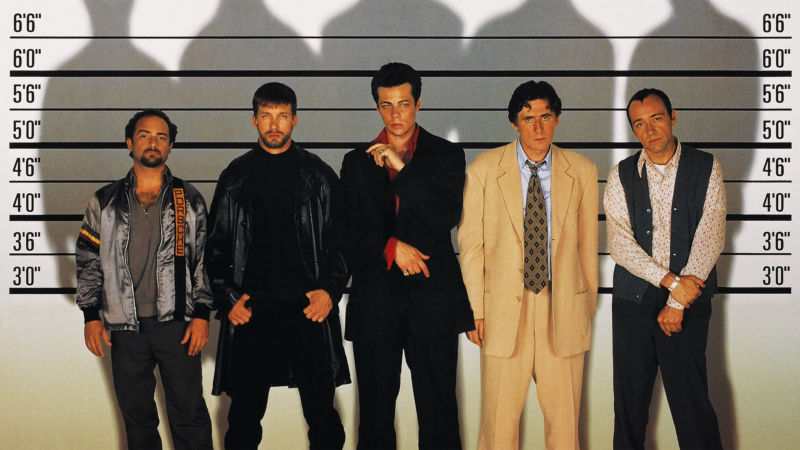
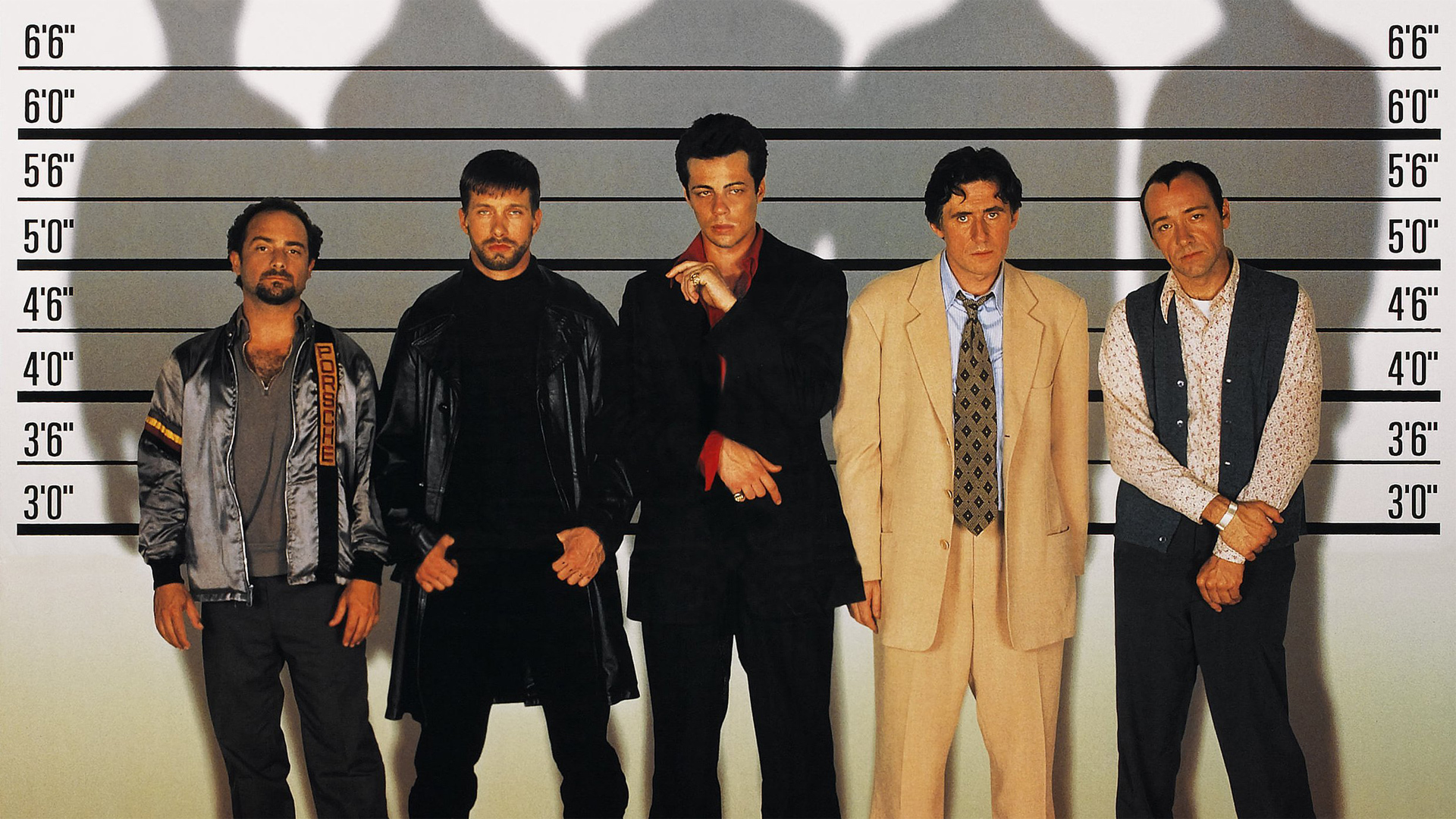
Enlarge (credit: Gramercy Pictures)
The advent of DNA testing has made it uncomfortably clear that our criminal justice system often gets things wrong. Things go wrong for a variety of reasons, but many of them touch on science, or rather the lack of a scientific foundation for a number of forensic techniques. But in 70 percent of the cases where DNA has overturned a conviction, it also contradicted the testimony of one or more eyewitnesses to the events at issue.
According to a new perspective published in PNAS, that shouldn't surprise us. The paper's author, Salk neuroscientist Thomas Albright, argues that we've learned a lot about how humans perceive the world, process information, and hold on to memories. And a lot of it indicates that we shouldn't value eyewitness testimony as much as we do. Still, Albright offers some suggestions about how we can tailor the investigative process to compensate a bit for human limitations.
Persistence of memoryAlbright has some history in this area, as he co-chaired a study group at the National Academies of Science on the topic. His new perspective is largely a summary of the report that resulted from the group, and it's an important reminder that we have sound, evidence-based recommendations for improving the criminal justice system. Failure to implement them several years after the report is problematic.
Read 11 remaining paragraphs | Comments