Dinosaurs kept mammals in the dark
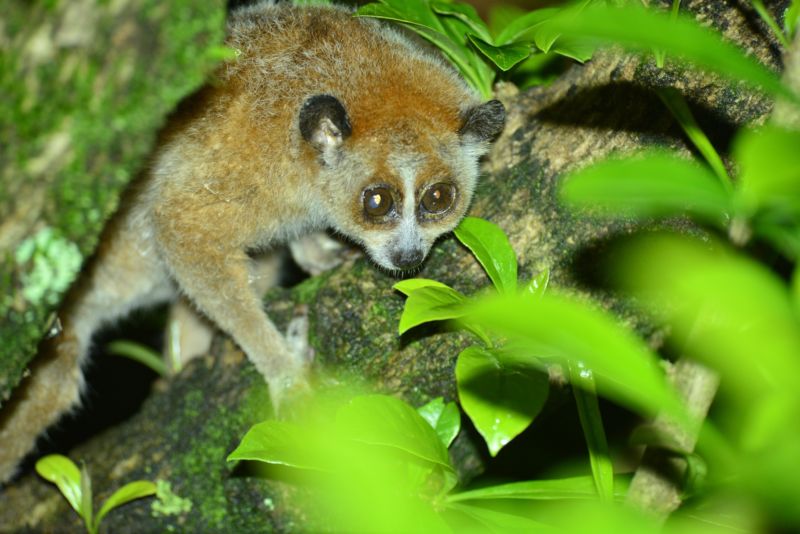
Enlarge / Big eyes help you avoid dinosaurs. (credit: Thach Mai Hoang)
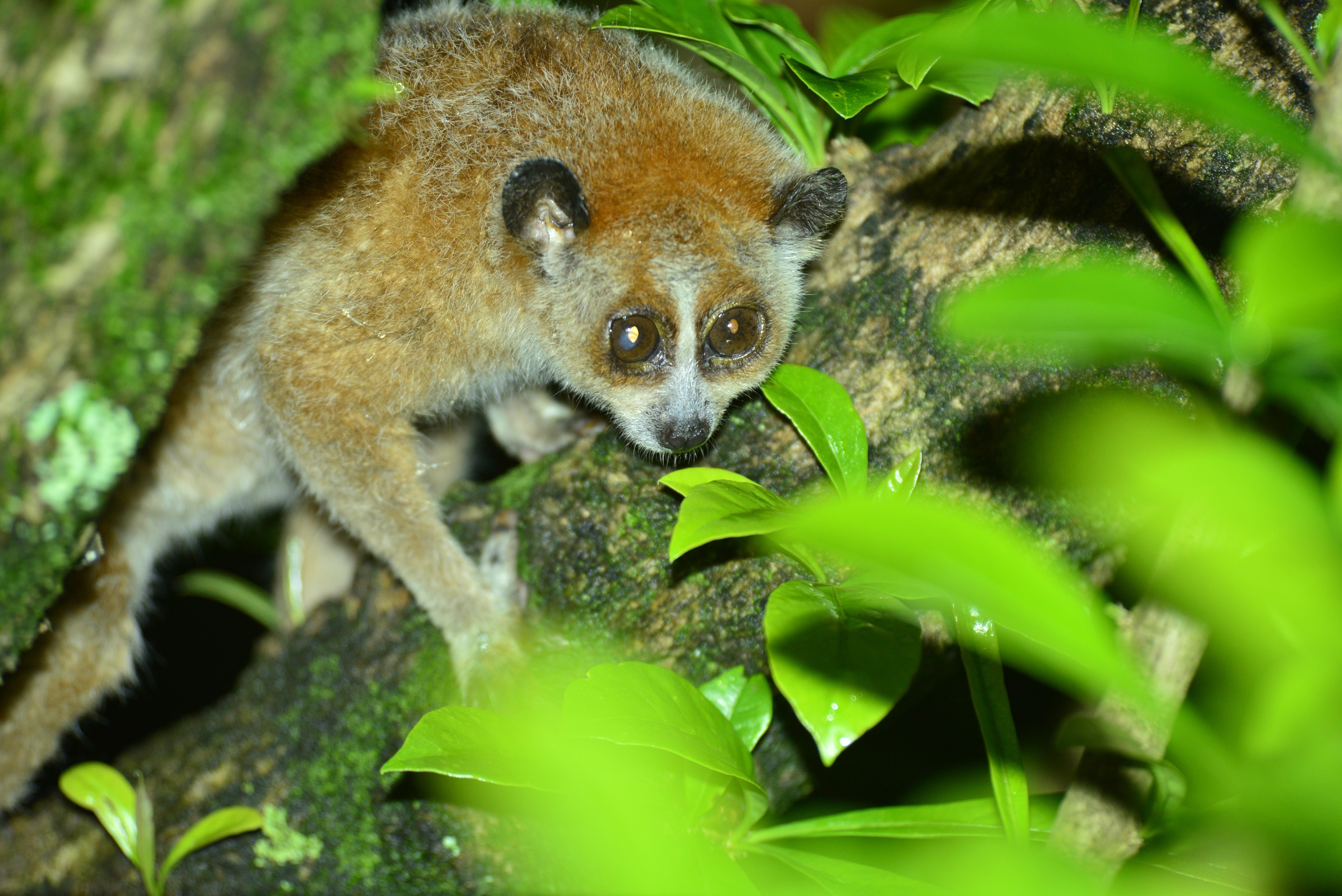
Most mammals are nocturnal, but even those mammals that are not nocturnal have large eyes that are better suited to dim light. Their eyes are more similar to the eyes of nocturnal animals in other clades than to the eyes of animals that spend their time in the daylight. After studying this peculiarity, in 1942 the optometrist Gordon Lynn Walls posited what is called the "nocturnal bottleneck" hypothesis: the ancestors of all modern mammals were once nocturnal.
Walls posited that this bottleneck occurred during the Mesozoic Era, when dinosaurs ruled the day. Mammals couldn't venture out into the sunlight until that mass extinction event rid the planet of those pesky dinosaurs 65 million years ago. It's definitely a nice idea, but it has been difficult to prove anatomically or morphologically-precisely because most mammals, regardless of their behavior patterns, have eyes that still look nocturnal. This makes it hard to pinpoint when exactly diurnality arose.
A survey of ancient mammalian behavior could help, but it's obviously difficult to check the behavior of an animal that's extinct. Fossil evidence is scarce, but ancestral features and behaviors can be extrapolated from a broad enough analysis of current species.
Read 5 remaining paragraphs | Comments