When wildlife conservation meets war
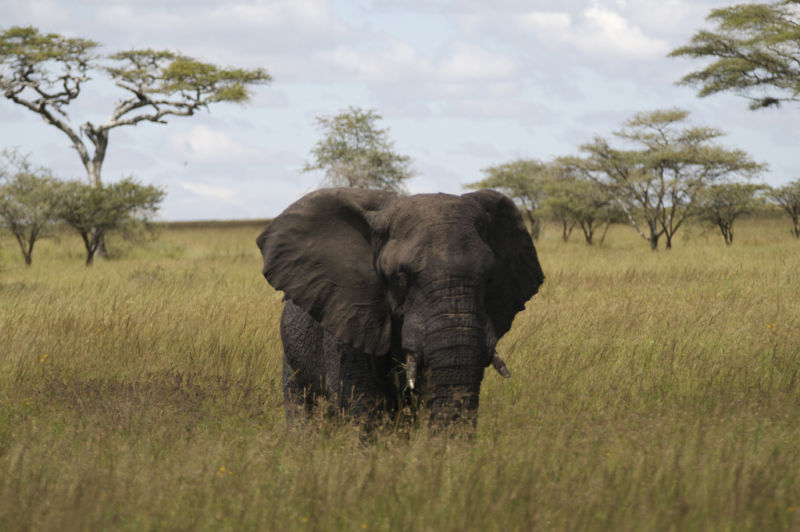
Enlarge (credit: Calle v H / Flickr)
Much of the world's conflict happens in areas rich in biodiversity, and war makes conservation a complicated issue. In 2016, a group of researchers published a paper exploring important questions about conflict and conservation: can conflict be included in planning for protected areas? What strategies actually work when wildlife and warfare mix?
The researchers from 2016 concluded that we need better, more fine-grained data on the impacts of conflict, and a new paper in this week's Nature drills into historical data to provide just that. Authors Joshua H. Daskin and Robert M. Pringle report that "even low-grade, infrequent conflict is sufficient" to cause harm to wildlife. But they also conclude that the mere presence of conflict doesn't mean that the wildlife in that region should be written off.
Decades of conflict"Between 1950 and 2000," write Daskin and Pringle, the majority of the world's conflicts occurred in Africa and Asia, and "more than 80 percent of wars overlapped with biodiversity hotspots." These hotspots are home to some of the world's last "diverse large-mammal populations," they write, which makes conflict in these regions all the more alarming for conservation.
Read 9 remaining paragraphs | Comments