Iran blocks Telegram, pushes replacement with “Death to America” emoji
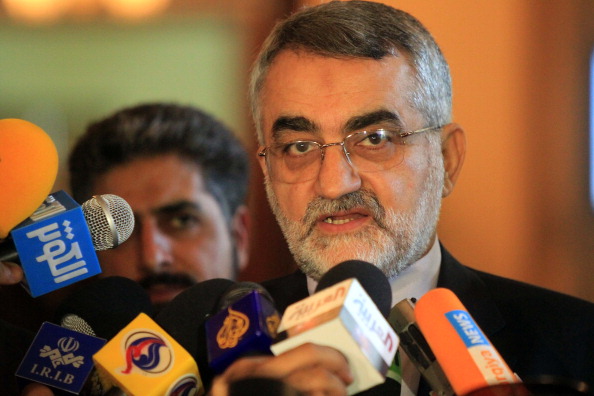
Enlarge / Alaeddin Boroujerdi, chairman of Iran's Parliament Committee of National Security and Foreign Policy. (credit: KHALED DESOUKI/AFP/Getty Images)
On Monday, Iranian law enforcement authorities ordered Internet service providers to block traffic from the Telegram anonymous chat application, four days after Iran's Telcommunications Infrastructure Company rescinded Telegram's license to operate in the country. Tehran's chief prosecutor claimed that the service is used by pornographers and terrorists and ordered that the ban be enforced in a way that would prevent users from bypassing it via a virtual private network.
Iran had previously tied Telegram to the ISIS attacks in Tehran in July of 2017. And the Iranian government had previously blocked Telegram temporarily in January during nation-wide demonstrations for what officials claimed were national security reasons. But according to Iranian press agency MNA, Iran's Parliament Committee of National Security and Foreign Policy Chairman Alaeddin Boroujerdi said in an April 1 radio interview that the service would be permanently banned and replaced with a domestically developed alternative.
Iran's move mirrors that of the Russian government, which continues its efforts to block Telegram after the application's developers refused to provide encryption keys to access users' messages. Efforts to block Telegram in Russia have led to Russian ISPs blocking large swaths of Internet addresses at cloud providers, including Google and Amazon, as Telegram users began to employ proxy services and VPNs set up in the cloud. Protests continue in Russia over the government's move, including a protest on Monday in which thousands of people threw paper planes representing Telegram's logo.
Read 5 remaining paragraphs | Comments