Researchers claim to have transferred a memory between two sea slugs
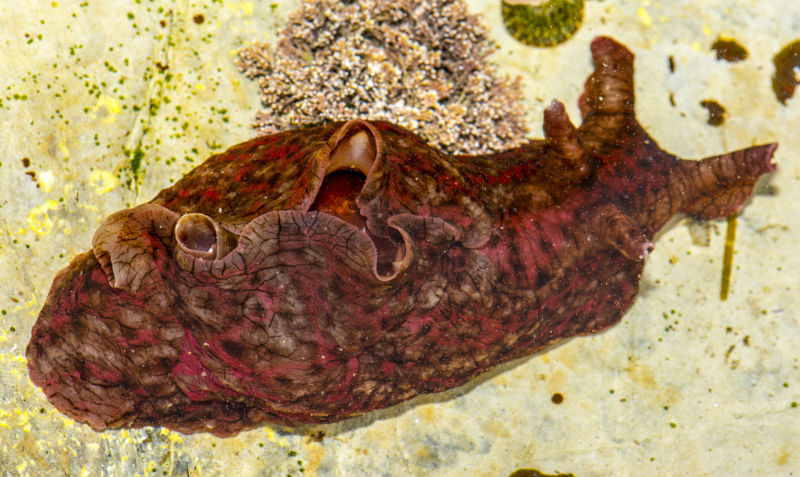
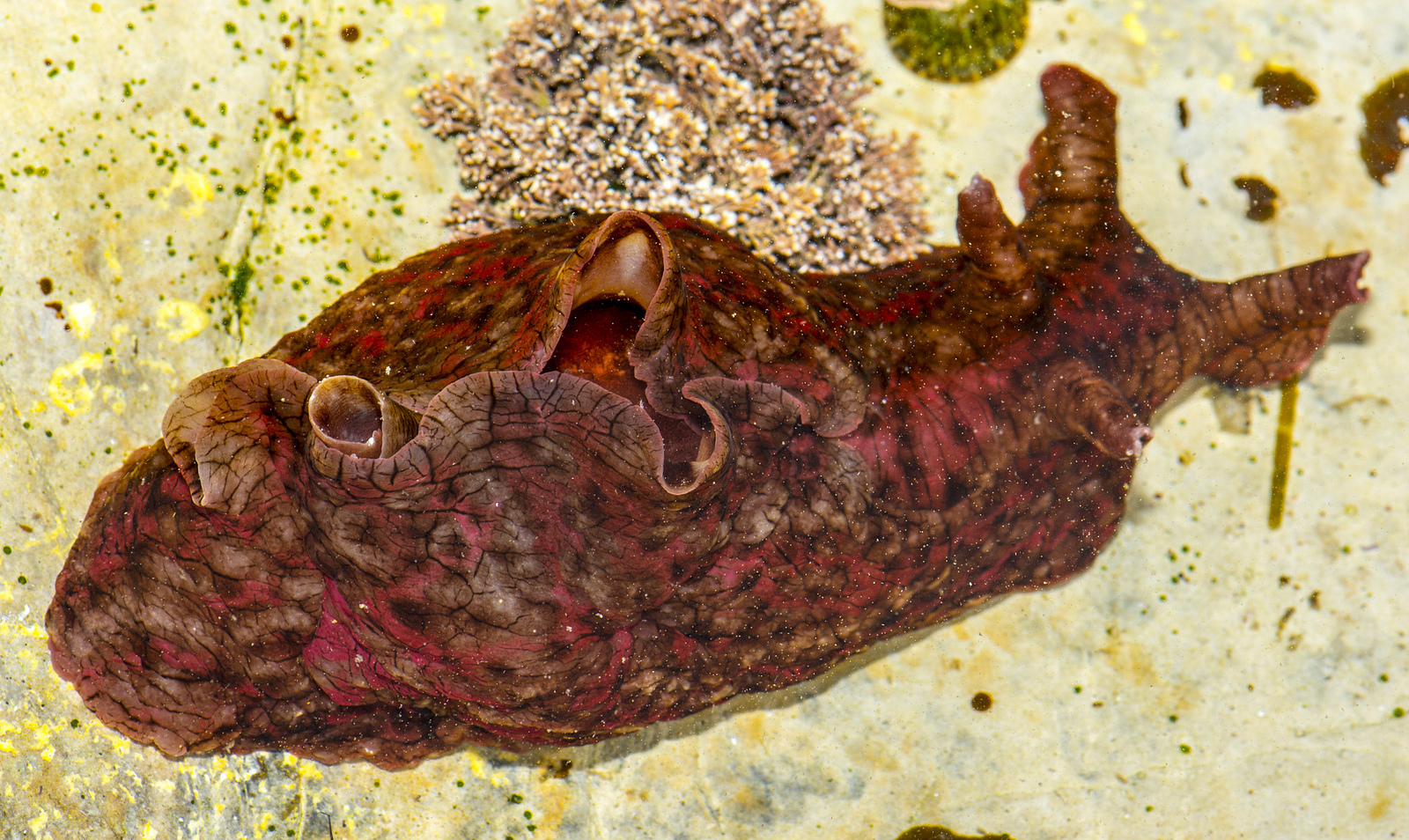
Enlarge / An Aplysia, also known as a sea hare. (credit: Jerry Kirkhart)
How does a brain hold on to a memory? There's evidence for a number of processes, from potentially transient changes in gene expression, through long-term changes in DNA packaging, and up to alterations of the connections among cells. Complicating matters further, none of these processes is mutually exclusive, so all of them might be involved in one context or another.
That complexity makes one of this week's headline stories-"Memory Transferred between Snails," to use one example-a bit surprising. If it were that easy, doesn't it imply memories have to be relatively simple?
The researchers behind the headlines did something impressive, but it certainly wasn't transferring a memory as we typically think of it. As we'll explain here, the work tells us something about one element of memory, but it probably won't end the debate about which processes let us recall familiar faces and places.
Read 13 remaining paragraphs | Comments