Classic 7 is Windows 10 LTSC cosplaying as Windows 7
by from www.theregister.com - Articles on (#75P20)
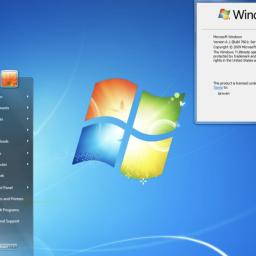 For those who miss what Windows looked like in 2009, Classic 7 is a heavily modified version of Windows 10 IoT LTSC, reworked to make it look as much as possible like Windows 7, while still being in support and receiving updates. This has been accomplished thanks to a large compilation of skins, themes, add-ons, tweaks, and so on - some of which are real components from older versions of Windows, adapted and modified to run on Windows 10. We were not sure whether to cover Classic 7, because while it is impressive and fun, we are not at all sure it is legitimate to use. But we can see a target audience. This isn't just a layer of makeup; it's more like a face transplant. It includes some real binaries from Windows 7, and indeed earlier versions, adapted and grafted onto Windows 10. One component is the Windows Media Center from Windows XP, which was cut from Windows 10 before release. The specific version of Windows 10 that it's modified is significant. It's Windows 10 IoT LTSC. We talked about this specific edition in April 2025 because it's the last version of Windows 10 that is still in support and receiving updates. The standard Windows 10 Enterprise LTSC release will continue to receive updates until 2027, and the IoT edition, which is only available in US English, will get updates until 2032 - so this is the longest-lived version of Windows 10. At the bottom of our story on Windows 10 LTSC, we mentioned the slightly shady world of third-party modified editions of Windows. Classic 7 is one; it's a modified version of an Enterprise edition of Windows, one that's only available for legitimate licensing via a Volume License Agreement. Unless you have appropriate volume licensing for the underlying Windows edition and have paid the fairly hefty fee, this is an unlicensed copy of Windows. So we have to spell out that this is not for production use, and you should not use it in any working environment. It's an interesting hack, though, and it might be a bit of fun for a home gaming machine or something like that. As an aside, one of the most widely used tools for activating unauthorized copies of Windows and Office, MassGrave, is in fact hosted on GitHub. In other words, Microsoft itself is hosting tools to activate unlicensed copies of Windows and Office. Whether that counts as tacit approval, we wouldn't like to say. Classic 7 has been under construction for over a year and a half, and it's the sequel to an earlier project called Reunion7 - also hosted on GitHub, as it happens. As its list of credits shows, Classic 7 is in part a compilation of a lot of existing tools. Some of them are relatively well known, such as Winaero Tweaker, which can run on any copy of Windows and, among lots of other options, allows some of the less desirable changes in the Windows UI to be undone - for instance, switching to the hidden Aero Lite theme. Classic 7 includes this and a lot more besides. We could identify some of the couple of dozen credited projects, such as the Aero11 theme, itself a port of Aero10 to Windows 11. This works alongside OpenGlass, which brings Aero-style transparency to Windows 10. There's also the Windows NT Modding Utility, and another hack that lets you change the Windows version number reported on the command-line, called Custom CMD Version Text. Multiple sub-components come from the Windhawk mods collection, some credited to a developer called ImSwordQueen, whose themes can be seen on DeviantArt. Other components are more than just cosmetic. For instance, the remarkable description of Explorer7: "explorer7 is a wrapper library that allows Windows 7's explorer.exe to run properly on modern Windows versions, aiming to resurrect the original Windows 7 shell experience." So this is not merely a theme for Windows 10 Explorer: as far as we can tell, it's the real Windows 7 Explorer, but running on top of 10. The same appears to apply to Control Panel as well, thanks to the Control Panel Restoration Pack. Thanks to the Windows Media Center (Modern Hardware) effort, this is the real XP version, which an on-screen message says replaced the Windows 8 version used in an older build. We tried Classic 7 in VMware, and the experience is quite uncanny. We did hit some glitches: our first installation failed when we let it do its own disk partitioning. Deleting all the partitions, manually creating a single large C: drive, and telling the installer to use that worked. A few error messages did appear here and there. Trying to change screen resolution went badly awry until we installed the VMware guest additions. Opening Windows Update just threw an error. Overall, though, it is genuinely remarkable. It looks and feels like Windows 7 - but in principle, you can run the latest apps and drivers and they should work. It even includes your choice of older Firefox versions, including version 115 ESR, skinned to look exactly like Internet Explorer - an effort called BeautyFox. Last year, we wrote a piece on running Windows 7 in 2025 and it really reminded us how great the 2009 release looked compared to anything that's come since. Apparently, that late-noughties translucent look is now known as Frutiger Aero, and frankly we miss it. In all honesty, we feel Classic 7 goes too far. We don't want Help/About dialog boxes, and even the winver tool and the ver command to lie to us. We'd prefer something that told the truth, but looked pretty while doing it. But as we wrote last year, some personal friends are still running Windows 7 by choice, and compatibility is starting to become a problem. If you want a recent Firefox, well, you're out of luck. Firefox 115 from 2023 still works, and remarkably, it's still getting security fixes now: the March end-of-life has been postponed again, and it's currently August 2026. The Irish Sea wing of Vulture Towers is still running it on OS X 10.13 and it works flawlessly. This is a way out: to keep the 17-year-old vintage look, while running a codebase that still has another five years in it. If you're that determined, it's an option... and it's undeniably an attractive GUI. Whether this unauthorized rebuild of an unlicensed OS is an attractive option, though - you must decide that for yourself. (R)