Flipper One wants to be the Linux multi-tool in your pocket
by from www.theregister.com - Articles on (#75SDZ)
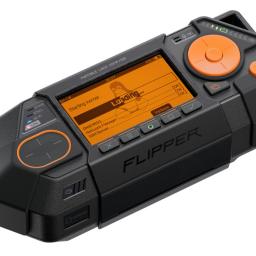 Flipper Devices has announced the Flipper One, an ARM-based Linux computer built around openness, though its price tag may give you pause. The computer is not a successor to the Flipper Zero, according to the manufacturer, despite the visual similarity. Whereas the Flipper Zero was more about hacking anything from NFC cards to infrared controls and RFID devices, the One is a full-fledged Linux computer. The device uses a Rockchip RK3576 as its main CPU, and a Raspberry Pi RP2350B microcontroller to take care of the on-device controls and the 256 x 144 grayscale screen. There is also a pair of USB-C ports (one to charge the device), a USB-A port, and a full-size HDMI connector. Rounding out the package are two Gigabit Ethernet ports, a MicroSD card slot, and a 3.5 mm audio jack. The device has 8 GB of LPDDR5 memory and 64 GB of internal storage. There's also Wi-Fi and Bluetooth. For users keen to expand the device, there is an M.2 port and GPIO connectors. The device's cost is tricky - the aim is $350 for the base configuration without the cellular module. However, considering the volatility of chip prices at the moment (and the relentless rise in memory costs), the final figure might be different. The first prototype arrived earlier this year, and the inevitable Kickstarter campaign is due at the end of the summer. The question is whether it is a worthwhile investment. The price elevates the device firmly out of the impulse purchase category, but its flexibility does have appeal. The HDMI port makes it a useful media box for connecting to televisions. It could also serve as a Linux workstation, and all the networking interfaces make the device a "multi-tool," as the company put it. Flipper Devices suggests use cases including VPN gateway, Ethernet sniffer, and USB Wi-Fi/Ethernet adapter. As if to emphasize the clear blue water between the Zero and the One, there is no NFC reader or RFID onboard - hopefully an M.2 peripheral will handle that, or users can fall back on a Zero. Flipper Devices plans to keep development running - the Zero and One are very different categories of device. Things get more interesting on the software front. Flipper Devices is aiming for full mainline Linux kernel support and has partnered with Collabora to bring the RK3576 SoC into the mainline kernel and give Flipper One full upstream support. "The current state of ARM Linux is depressing," it wrote. "Every vendor bolts on their own custom mess: closed boot blobs, vendor-specific patches, 'board support packages' that nobody outside the chip maker can really understand. "You can no longer just read the specs and understand how computers work - you can only learn the workarounds for one specific chip with one specific BSP. We're sick of this ourselves, and we don't want to be part of the problem by shipping yet another product that just adds to the mess." But first you have to ship it. Calling the Flipper One a "community-driven project," Flipper Devices added: "We've made the entire development process open - so you can see how things are built and even take part in shaping Flipper One's future." While the project has now been officially announced, prospective purchasers should keep in mind that there are no guarantees about what (if anything) will actually ship. And, of course, one should always exercise caution when backing Kickstarter projects. In the announcement, Flipper Devices boss Pavel Zhovner wrote: "There's a lot of uncertainty in this project, along with technical challenges and financial risks (like the current RAM chip crisis). "I don't know if we'll be able to do everything we've planned, but we'll give it everything we've got. Thank you all, and welcome to a new adventure." (R)