Samsung’s profits jump 19x in a year and you don’t need AI to figure out why
by from www.theregister.com - Articles on (#76TD5)
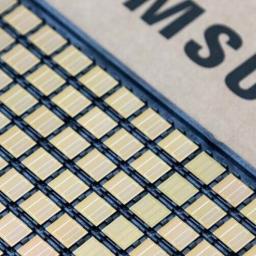 Samsung has delivered guidance for its second quarter results and forecast profits 19 times higher than it managed in the same period of 2025. In Q2 last year, the Korean giant's sales totalled 75.7 trillion ($49.7 billion) and operating profit landed at 4.68 trillion ($3.1 billion). Fast forward a year, and Samsung told investors that once its accountants finish their work, they'll report sales of 170 trillion to 172 trillion ($111.9 billion) and operating profit between 89.3 trillion and 89.5 trillion ($58.4 billion). Samsung's guidance announcements are very brief, and don't offer any explanation for its performance, but in its Q1 results announcement the company said its memory business set all time revenue and profit records and attributed that result to technological leadership in the memory market, as well as higher average selling price." Neither of those factors have changed since, and the AI boom continues. Samsung has clearly made bank and has the chance to do so for another few years given memory prices show little sign of falling. Indeed, Samsung's memory-making rival Micron recently found plenty of buyers willing to pay a premium for years to come. Strangely, Samsung's mountain of profit didn't enthuse investors as its share price fell almost ten percent. Korea's other big memory-maker, SK Hynix, also saw its scrip sink. Analysts reportedly worry that the huge efforts to build new chipmaking plants could mean the world eventually has an oversupply of memory - especially if AI companies post results that signal a slowdown their infrastructure rollout plans. Such results would likely follow difficulties monetizing existing investment in AI infrastructure, perhaps because user experiences with the tech are often not great: The Register has reported attempts to use AI for customer service being wound back, complaints about the tech's negative impact on CI/CD pipelines, and businesses plowing ahead with AI spend despite elusive ROI. (R)