AI memory crunch takes a bite out of PC shipments
by from www.theregister.com - Articles on (#76VMD)
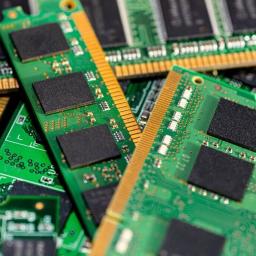 The memory chip crisis caused PC shipments to fall by 5 percent from last year in Q2 2026 as vendors struggled to secure supplies, and IDC warns smaller suppliers may be forced out of business if the situation continues. While rising component costs have already priced budget PCs out of existence, the market intelligence biz says the AI-driven shortage also pushed shipments down to 68.2 million units during the quarter spanning April, May, and June. This was the first decline after nine consecutive quarters of growth, with persistent memory chip shortages taking much of the blame. But other components such as storage, along with "geopolitical issues," have continued to weigh on the market, IDC says. "The real story here is the disconnect between units and dollars: shipments are falling, but revenue is climbing because vendors are pushing through price increases faster than demand is dropping," said Jitesh Ubrani, IDC research director for consumer devices. As The Register has previously noted, the largest vendors such as Lenovo are doing just fine thanks to their ability to negotiate supplies far in advance. The China-based tech biz saw revenue for PC and smart devices rise by 26 percent in its most recent earnings release. But IDC warns there's growing risk of vendor consolidation as brand behemoths such as Apple, Dell, HP, and Lenovo use their scale to secure memory supply and squeeze out smaller competitors. The giants are well positioned to take share from smaller rivals, potentially forcing weaker players into mergers or exits. Sustained cost pressures from the memory shortage could also significantly slow the broader PC upgrade cycle, despite IDC reporting growing interest in on-device AI processing among enterprise customers. IDC warns that the memory shortage is not expected to ease until early 2028. According to Ubrani, another round of inventory pull-forward is not expected, which points to a sharp slowdown in the second half of 2026. Earlier this year, corporate buyers were bringing forward planned PC purchases in an attempt to beat further anticipated price hikes. "Vendors are bracing for further price hikes into 2027, and channels are already flagging concern about elevated inventory at these higher price points," Ubrani said. Last month, Taiwanese market watcher TrendForce said that DRAM prices are set to rise again by more than 50 percent this year, while chipmakers such as Micron are increasing memory output. However, meaningful new capacity is only projected to come fully online in 2027 and 2028, it said. (R)