Remains from “skull cult” discovered at world’s oldest stone monuments
German Archaeological Institute
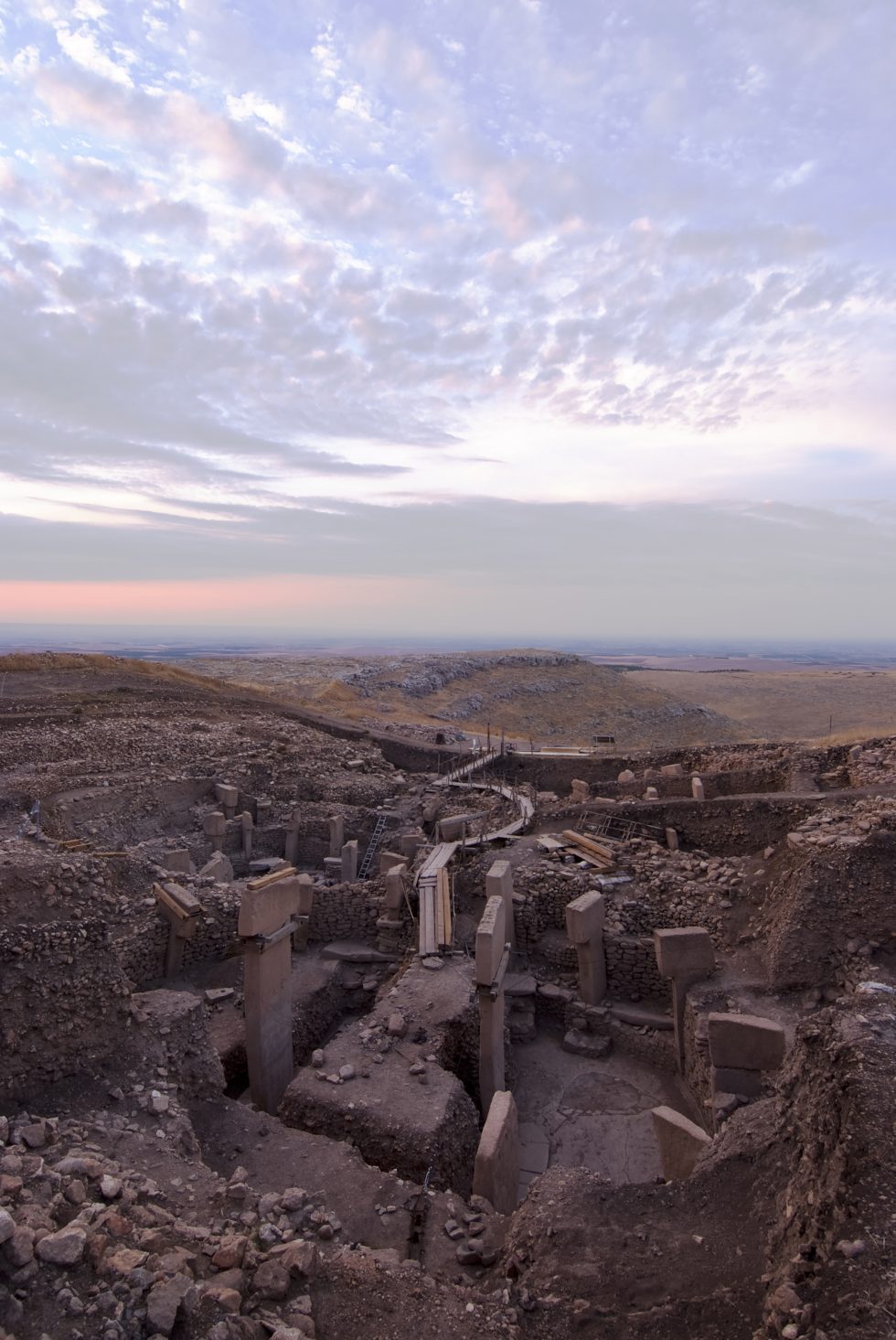
The monumental rock pillars of Gibekli Tepe date back over 11,000 years and tower over a small hill in Turkey. Excavated just a couple of decades ago, these mysterious structures are part of the world's oldest known monumental religious complex. Each pillar is covered in hundreds of images, including carvings of humans and dangerous animals like snakes and scorpions. Surrounded by nested, winding walls, these pillars suggest a complex spiritual worldview shared by hunter-gatherers in the region who added to it for roughly 1,600 years. Now, a team of archaeologists has revealed that decorated human skulls were part of the Gibekli Tepe rituals.
German Archaeological Institute paleopathologist Julia Gresky and her colleagues write in in Science Advances about excavating bone fragments that suggest an ancient "skull cult" at the site. Though it sounds like something out of a pirate movie, a skull cult is simply an archaeological term that describes the ritualistic or religious alteration of multiple skulls.
Read 6 remaining paragraphs | Comments