Study paints a confused picture of how insecticides are affecting bees
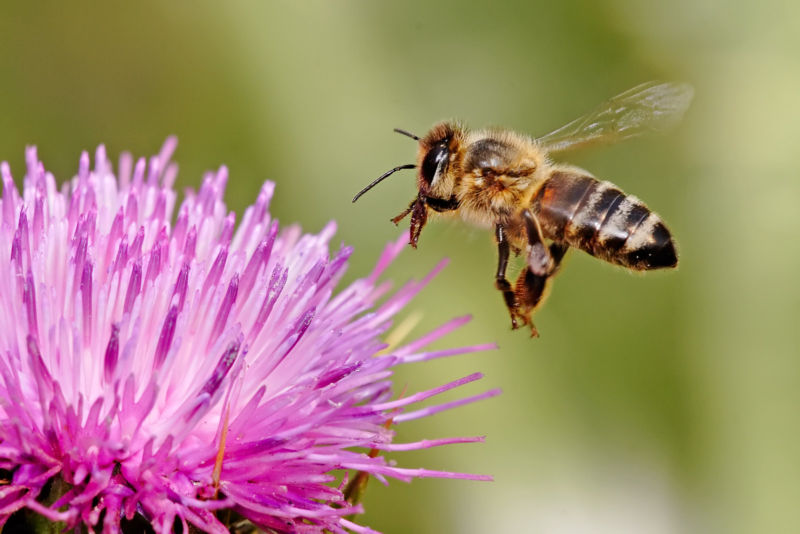
Enlarge (credit: Congressman Ted Yoho)
There's widespread agreement that bees around the world are in trouble. A few years back, domestic honeybee nests started experiencing mass die-offs, and problems were found in wild bees as well. What hasn't been clear is what the cause might be. Viruses, fungi, and pesticides have all been floated as possible causes, but definitive evidence has been hard to come by; a number of scientists have suggested that there might be multiple contributing factors.
Nevertheless, suspicions focused on a specific class of insecticides called neonicotinoids. The EU has already placed restrictions on their use, and it's considering a near-total ban.
If you read the headlines this week, it would appear that a new study completely justifies that decision. Funded in part by two insecticide manufacturers, a team of independent researchers purportedly tied neonicotinoids to bee colony health. But a quick look at the underlying data shows that the situation is far more complex. And a second paper, with more robust results, supports the idea that these insecticides are merely one of a number of factors contributing to bees' problems.
Read 11 remaining paragraphs | Comments