Intel first 8th generation processors are just updated 7th generation chips
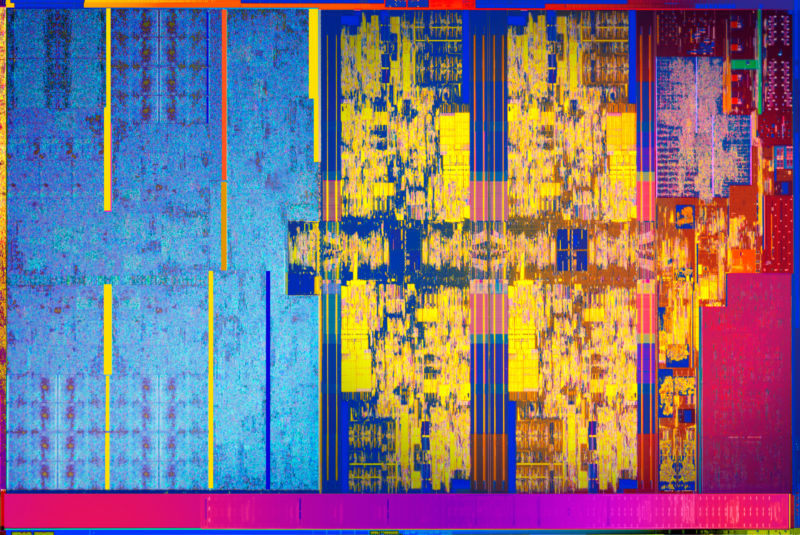
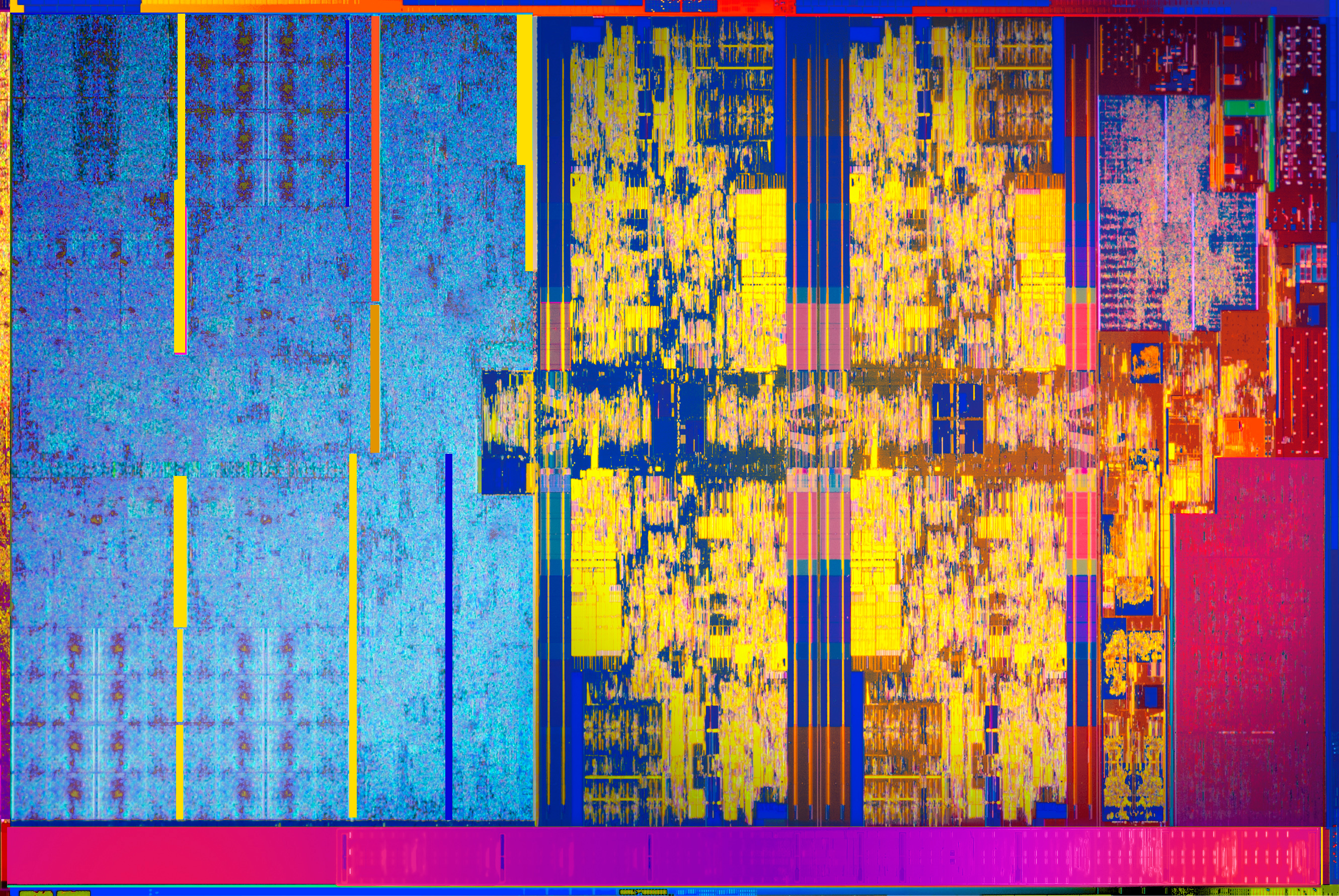
Enlarge / A Kaby Lake refresh die. (credit: Intel)
The first "8th generation" Intel Core processors roll out today: a quartet of 15W U-series mobile processors. Prior generation U-series parts have had two cores, four threads; these new chips double that to four cores and eight threads. They also bump up the maximum clock speed to as much as 4.2GHz, though the base clock speed is sharply down at 1.9GHz for the top end part (compared to the 7th generation's 2.8GHz). But beyond those changes, there's little to say about the new chips, because in a lot of ways, the new chips aren't really new.
| i7-8650U | i7-8550U | i5-8350U | i5-8250U | |
|---|---|---|---|---|
| Base clock/GHz | 1.9 | 1.8 | 1.7 | 1.6 |
| Maximum 1-core clock/GHz | 4.2 | 4.0 | 3.6 | 3.4 |
| Maximum 2-core clock/GHz | 4.2 | 4.0 | 3.6 | 3.4 |
| Maximum 4-core clock/GHz | 3.9 | 3.7 | 3.6 | 3.4 |
| Cores | 4 | 4 | 4 | 4 |
| Threads | 8 | 8 | 8 | 8 |
| Cache size/MB | 8 | 8 | 6 | 6 |
| Maximum GPU clock/GHz | 1150 | 1150 | 1100 | 1100 |
Although Intel is calling these parts "8th generation," their architecture, both for their CPU and their integrated GPU, is the same as "7th generation" Kaby Lake. In fact, Intel calls the architecture of these chips "Kaby Lake refresh." Kaby Lake was itself a minor update on Skylake, adding an improved GPU (with, for example, hardware-accelerated support for 4K H.265 video) and a clock speed bump. The new chips continue to be built on Intel's "14nm+" manufacturing process, albeit a somewhat refined one.
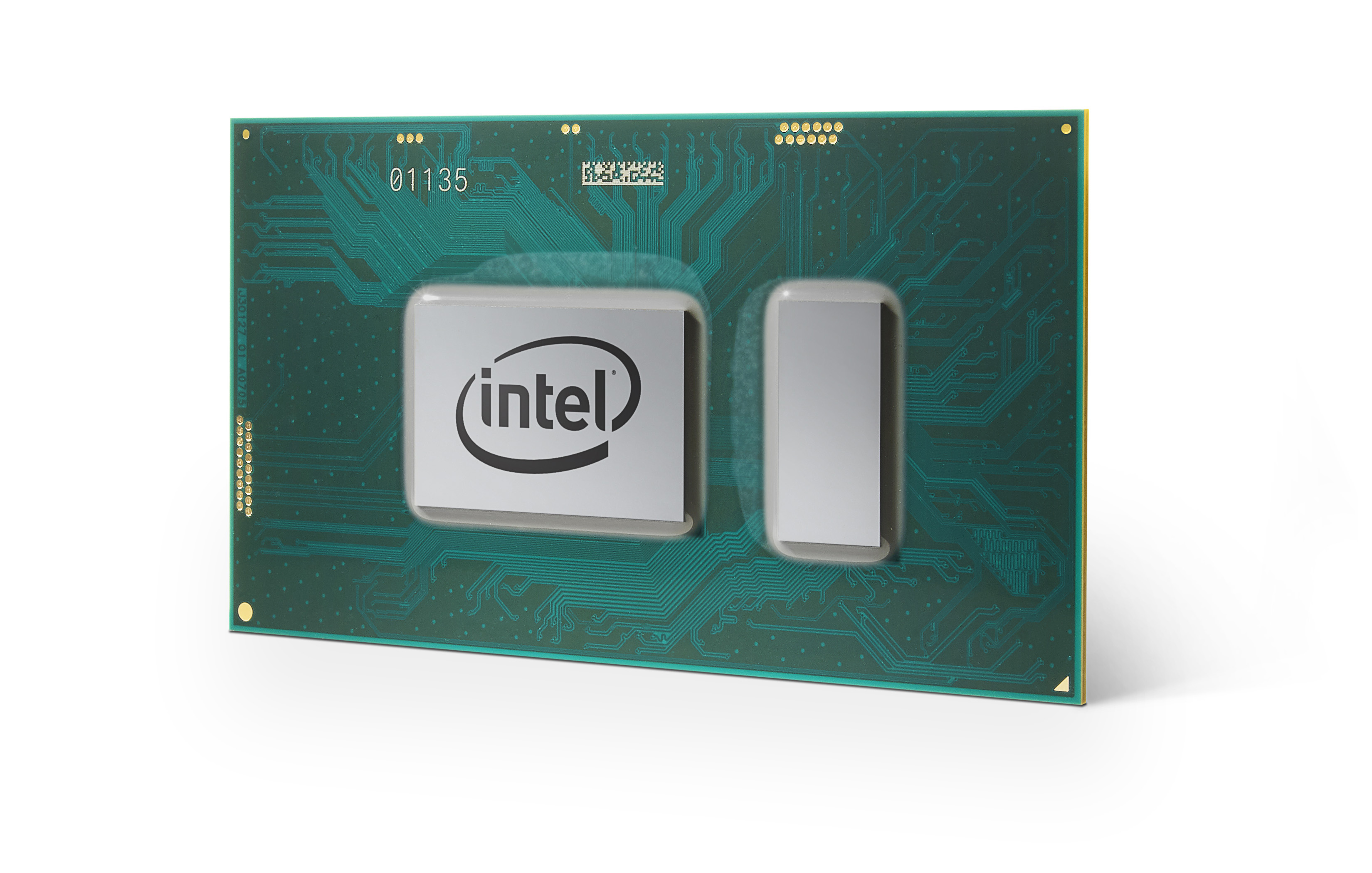
U-series "8th Generation" Intel Core processor. (credit: Intel)
Earlier this year, Intel claimed that the new chips would add 30 percent performance over 7th generation parts; that number is now 40 percent. A total of 25 percent of that boost (in the SYSmark benchmark) comes from the doubled core and thread count. The remainder is split evenly between "manufacturing" improvements (which is to say, higher clock speeds) and "design" improvements.
Read 2 remaining paragraphs | Comments